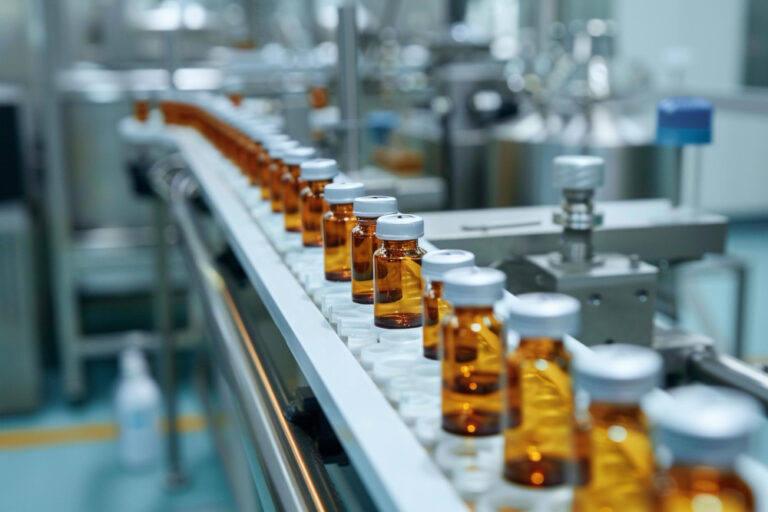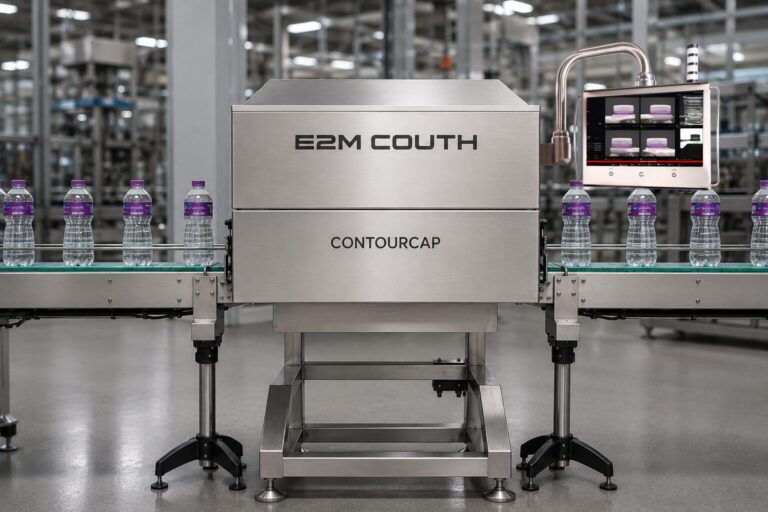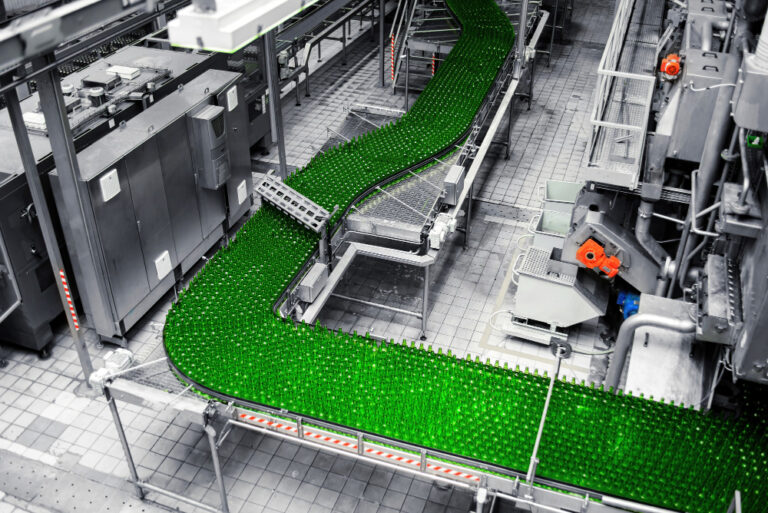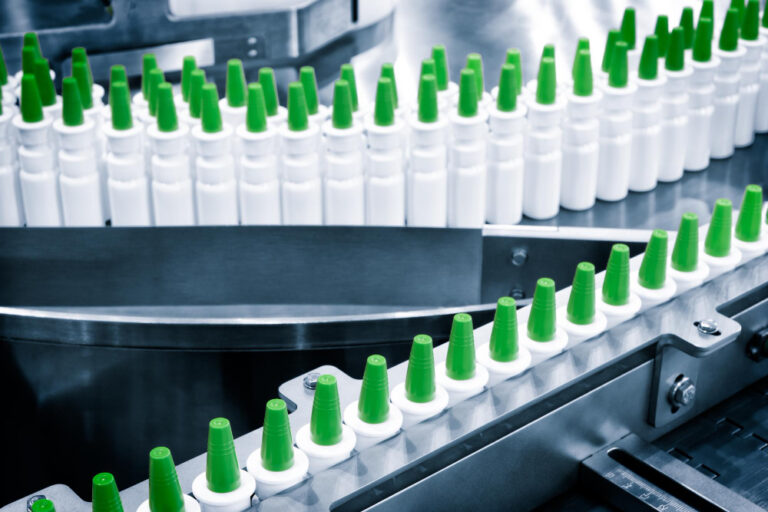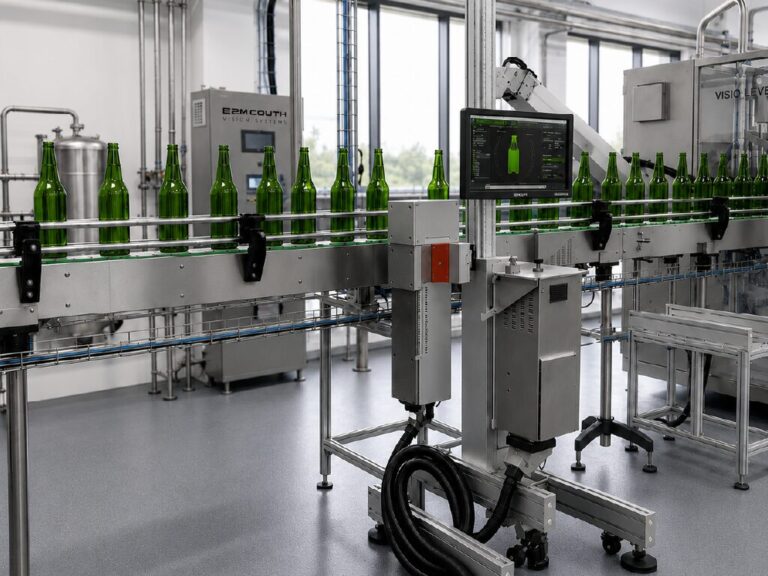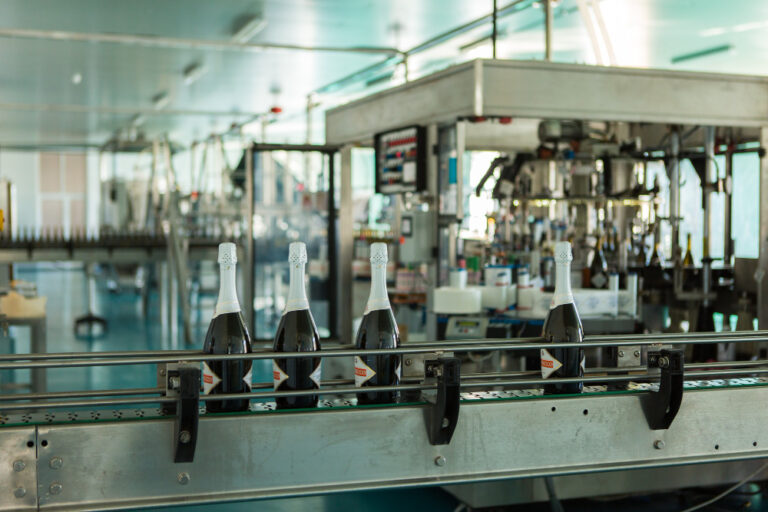
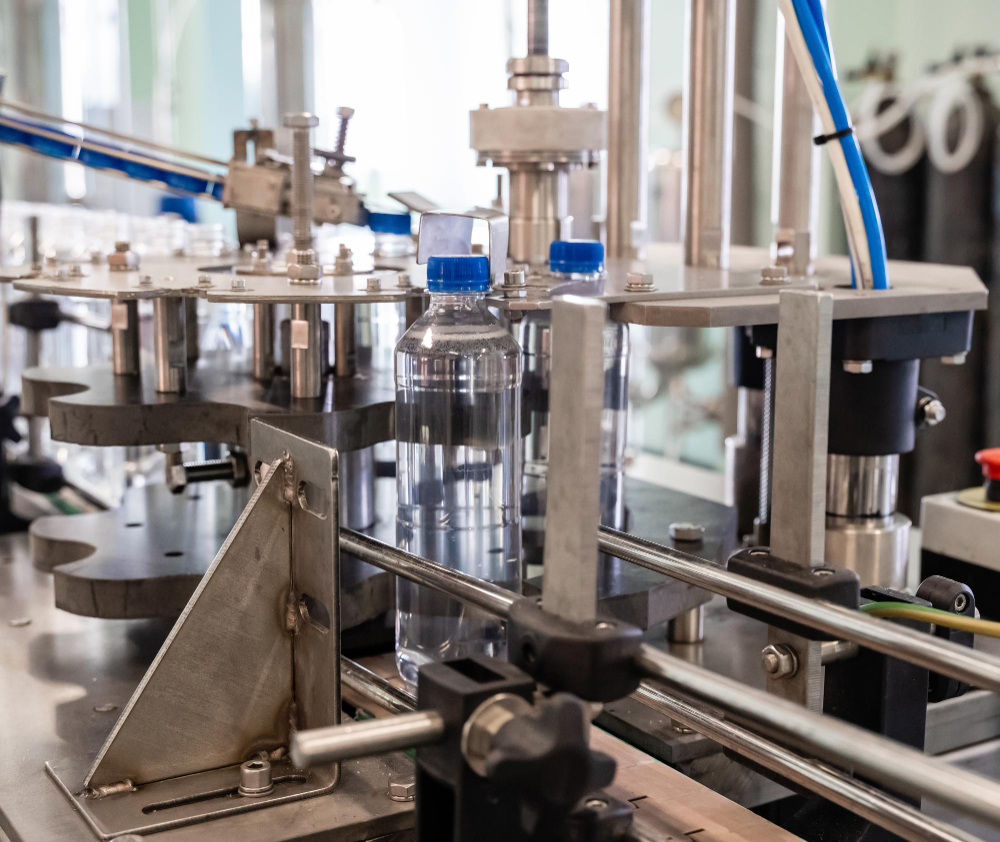
In the current industrial landscape, maintaining a competitive edge requires more than just high-speed processing; it demands a seamless transition from manufacturing to distribution. For many production managers, the final stages of the process, packaging and stacking, become the ultimate bottleneck. At E2M COUTH, we specialize in bridge-building between high-speed production and logistics through advanced engineering. Determining the exact moment for automating the end of the production line is a critical strategic decision that impacts long-term profitability.
Whether you are managing fragile containers or heavy industrial loads, understanding the signals for transition is essential. This guide explores how transitioning to automated palletizing and packaging ensures that your output quality matches your production potential, keeping your facility future ready.
Identifying the bottleneck: Why the end of the line matters
In many manufacturing facilities, the “heart” of the factory, the processing and filling stations, often receive the bulk of capital investment. However, a high-speed filler is only as effective as the system that follows it. When the end-of-line processes remain manual or outdated, they create a “funnel effect” where the entire operation’s production line efficiency automation is compromised by the physical limitations of human labor.
The end of the line represents the final opportunity to ensure product integrity before it reaches the customer. If your primary machinery can produce 100 units per minute, but your manual palletizing team can only safely process 60, you are essentially idling 40% of your investment. This disparity highlights why manufacturing bottlenecks at the packaging stage are so costly. Manual handling at this stage is also prone to inconsistency; a tired worker at the end of a double shift cannot maintain the same precision as a machine.
By focusing on the end-of-line, companies can synchronize their entire workflow. Implementing automated palletizing and packaging solutions ensures that the throughput is consistent, predictable, and scalable. At E2M COUTH, we recognize that true efficiency isn’t just about how fast you can make a product, but how reliably you can prepare it for the global market. Addressing these manual palletizing limits is the first step toward a fully optimized, modern smart factory.
Five signs it’s time to automate your production line
Recognizing the transition point from manual labor to mechanical precision is key to maintaining a healthy bottom line. At E2M COUTH, we have identified five critical indicators that signal it is time for automating the end of the production line:
- Rising labor costs and high turnover: If your operational budget is being consumed by overtime pay or the constant need to train new staff for repetitive end-of-line tasks, your scalability is at risk. Automation provides a fixed, predictable cost structure.
- Inconsistent packaging and pallet quality: Human fatigue leads to errors. If you notice varying tape tension, misaligned labels, or unstable pallet stacks that lead to transit damage, automated palletizing and packaging is the solution to ensure every unit meets the same rigorous standard.
- Ergonomic and safety concerns: Heavy lifting and repetitive motions are leading causes of workplace injuries. When to automate production lines, often becomes clear when safety audits highlight risks in manual stacking; robots don’t suffer from strain or fatigue.
- Throughput mismatch: If your upstream machinery is being throttled back because the packing crew cannot keep up, you are losing money on every cycle. Automation removes this ceiling, allowing for true production line efficiency automation.
- High rate of sorting or labeling errors: In sectors like food or pharma, a single labeling error can trigger a costly recall. Automation integrates inspection and orientation, virtually eliminating human error in the final stages.
By addressing these signs, managers can shift from a reactive to a proactive operational stance, leveraging the benefits of production line automation to secure a more resilient supply chain.
The strategic advantages of automated case packing
In modern manufacturing, the case packing stage is often where the physical integrity of a product is most at risk. Transitioning to an automated case packing system is not merely about replacing manual labor; it is about introducing a level of precision and speed that is physically impossible for a human team to sustain. At E2M COUTH, we focus on developing solutions that handle products with extreme care, ensuring that from the moment a product leaves the conveyor to the moment it is sealed in a box, its quality remains uncompromised.
One of the primary benefits of production line automation in case packing is the drastic reduction in secondary packaging waste. Manual packers may occasionally use the wrong box size or fail to secure the product properly, leading to internal movement and damage during shipping. Automated systems use sensors and precise mechanical grippers to ensure every item is positioned perfectly. This level of accuracy is particularly vital for sectors dealing with fragile containers, such as the beverage or glass industries, where even a minor impact can lead to a messy and expensive cleanup.
Furthermore, integrating an E2M COUTH Case Packing System allows for rapid changeovers. In a market that increasingly demands variety, such as different pack counts or promotional sizes, manual lines often suffer from significant downtime during reconfiguration. Our automated systems can be programmed to switch between different product formats with minimal manual intervention, significantly boosting your production line efficiency automation.
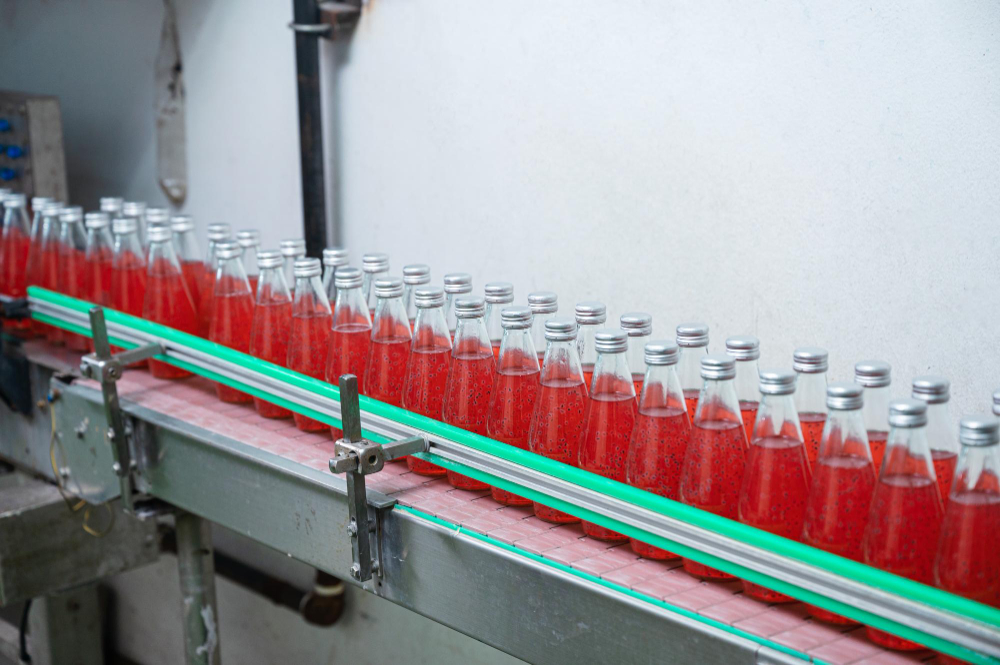
Beyond speed, these systems act as a final gatekeeper for quality. Many of our case packing solutions can be integrated with orientation systems, ensuring that every bottle or pack is facing the correct direction before the box is sealed. This attention to detail enhances the brand’s image when the retailer opens the case. By investing in industrial packaging solutions, production managers can guarantee that their output is not only high-volume but also consistently high-quality, meeting the strict demands of global distribution networks.
Elevating efficiency with automated palletizing
Once products are securely packed, the final hurdle in the manufacturing journey is the creation of a stable, transportable load. This is where automated palletizing and packaging systems prove their worth as a foundational element of a modern facility. Manual palletizing is inherently limited by human physical capacity; lifting heavy cases repeatedly over an eight-hour shift leads to natural deceleration and an increased risk of musculoskeletal injuries. By contrast, an automated system operates with relentless consistency, maintaining the exact same cycle time at 3:00 AM as it does at 9:00 AM.
At E2M COUTH, we design palletizing solutions that do more than just stack boxes. Our systems leverage advanced industrial robotics and layer-forming technology to ensure that every pallet is structurally sound. A poorly stacked manual pallet is a liability, it can lean, collapse in a warehouse, or be rejected by a distribution center, leading to significant financial losses. Automation allows for complex stacking patterns that maximize space and stability, ensuring that your goods survive the rigors of long-haul transport.
The impact on palletizing efficiency is transformative. While a manual team might struggle with high-speed lines or heavy payloads, robotic palletizers can handle multiple SKUs and varied weights without breaking a sweat. This versatility is crucial for production managers who need to juggle different product lines on a single floor. Furthermore, these systems free up your skilled labor to focus on higher-value tasks, such as quality oversight or technical maintenance, rather than repetitive lifting.
Integrating these systems into your workflow also provides a wealth of data. Modern palletizers track throughput in real-time, offering insights into production line efficiency automation that manual processes simply cannot capture. By eliminating the physical ceiling of human labor, you allow your entire facility to reach its true potential. Whether you are dealing with high-volume beverages or specialized industrial components, the transition to robotic palletizing ensures your end-of-line is no longer a point of weakness, but a competitive advantage.
The ROI of Automation: More than just speed
When evaluating the benefits of production line automation, many decision-makers focus solely on units per hour. However, the true Return on Investment (ROI) of an E2M COUTH system is found in the significant reduction of hidden operational costs. Manual end-of-line processes are often a primary source of “invisible” waste, ranging from product damage due to mishandling to the administrative burden of managing high staff turnover in physically demanding roles.
By implementing production line efficiency automation, companies can transition to a 24/7 operational model without the linear increase in labor costs. This shift significantly lowers the cost per unit, allowing for more aggressive pricing strategies in the market. Furthermore, the precision of automated systems reduces material waste; consistent case packing and palletizing mean fewer damaged goods and fewer rejected shipments from retailers who demand perfect pallet stability.
Another critical factor in the ROI of industrial automation is the impact on insurance and compliance. Manual palletizing is a high-risk activity for workplace injuries. By removing human operators from high-repetition, heavy-lifting zones, companies often see a reduction in workers’ compensation claims and insurance premiums.
Finally, the longevity and modularity of our systems ensure that the investment remains relevant. As your product dimensions or volumes change, the software-driven nature of modern automation allows for adjustments that would otherwise require rehiring or retraining an entire manual crew. In the long term, the transition to an automated end-of-line is not just an expense, it is a strategic move that stabilizes your overhead, protects your workforce, and guarantees a level of consistency that manual labor simply cannot replicate.
Integrating automation into existing lines
A common concern for production managers is the potential for significant downtime when automating the end of the production line. The fear that installing new technology will halt current output often delays necessary upgrades. However, at E2M COUTH, our engineering philosophy centers on seamless automation integration. We design our systems to be modular and adaptable, allowing them to be phased into existing layouts with minimal disruption to your current workflow.
Modern automation is no longer an “all or nothing” proposition. Our approach involves a detailed analysis of your current floor space and mechanical infrastructure. By using compact footprints and flexible conveyor interfaces, we can often retrofit automated case packers or palletizers into spaces previously occupied by manual stations. This transition is supported by advanced software that syncs with your upstream machinery, ensuring that the new end-of-line components communicate perfectly with your existing fillers or labelers.
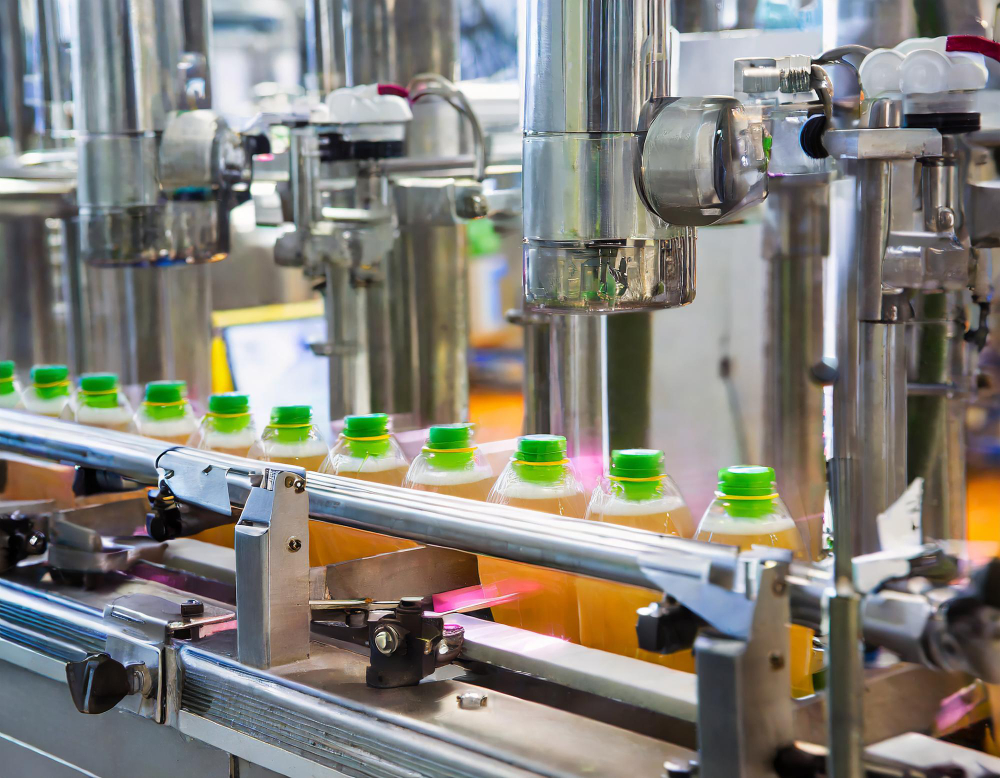
The result is a hybrid-ready environment where you can gradually scale your production line efficiency automation as your volume grows. Our technical team works alongside your operators to ensure a smooth handoff, providing the training necessary to turn your floor staff into high-level system supervisors. By choosing a partner that understands the nuances of legacy systems, you ensure that the path to modernization is efficient, predictable, and, most importantly, profitable from day one.
Partnering with E2M COUTH for Future-Proof Success
Choosing to upgrade your facility is a landmark decision, and the partner you select determines the long-term viability of that investment. At E2M COUTH, we don’t just provide machinery; we deliver comprehensive end-of-line ecosystems tailored to the unique demands of your industry. Our commitment to production line efficiency automation is reflected in our robust engineering and our focus on high-tech inspection. By integrating our systems, you gain more than just speed, you gain the peace of mind that comes with a perfectly oriented, packed, and palletized product every single time.
When the signs of manual strain become impossible to ignore, automating the end of the production line becomes the only logical step forward. We understand the complexities of global supply chains and the pressure to reduce overhead while maintaining impeccable standards. Our team is ready to analyze your specific challenges and design a solution that scales with your ambitions. Don’t let a manual bottleneck hold back your facility’s true potential.
Ready to optimize your facility? Contact us to speak with an automation expert and discover how our solutions can transform your production efficiency.