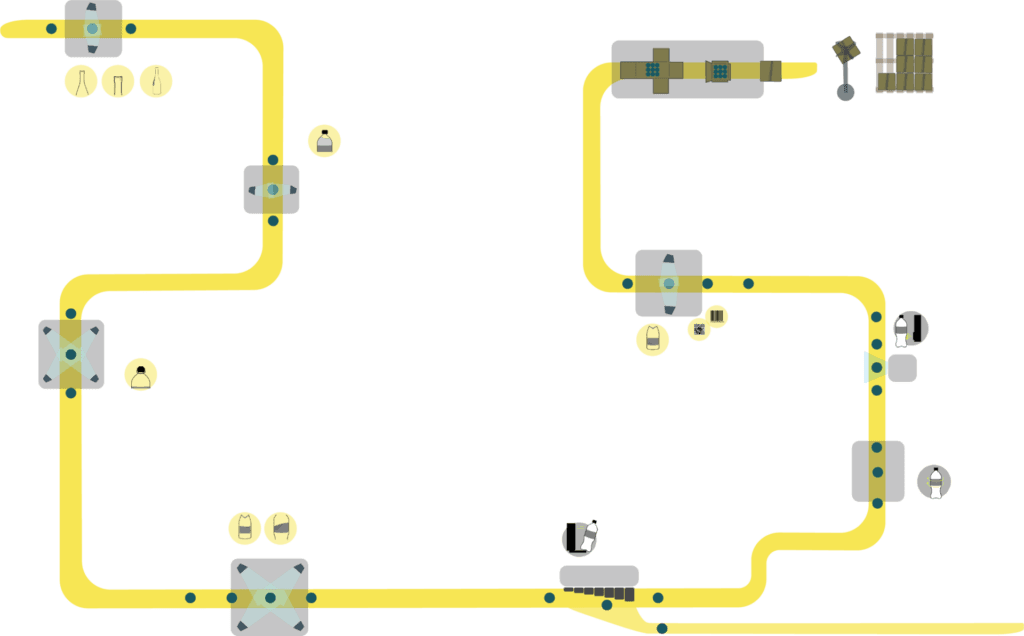
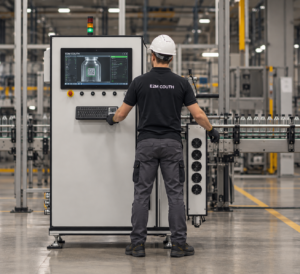
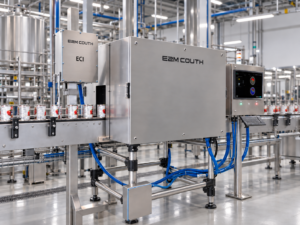
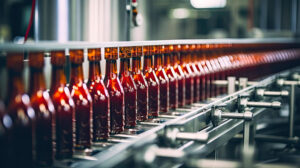
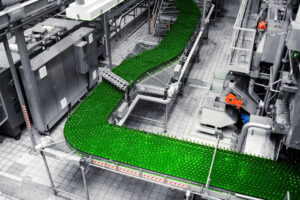
Having beverage vision systems is an increasing necessity for companies looking to improve their production and guarantee the quality of their final product. These beverage inspection systems allow real-time verification of each bottle, can, or container, ensuring it reaches the consumer in perfect condition.
Here are some of the main reasons to incorporate these technologies into your production line:
Improves Product Quality
Beverage inspection systems detect all types of defects, from scratches, stains, and misaligned labels to improperly sealed bottles. This ensures that every product reaching the market meets the highest quality standards, protecting brand image and customer satisfaction.
Increases Efficiency
By automating beverage quality control, these systems streamline production, inspecting hundreds of containers per minute without errors. Additionally, requiring minimal human intervention allows employees to focus on more strategic tasks, improving overall plant performance.
Ensures Food Safety
Thanks to the use of cameras and advanced software, beverage vision systems can detect any foreign particles or unwanted elements inside the container, ensuring that every beverage meets the most stringent food safety requirements.
Regulatory Compliance
Beverage inspection systems help companies comply with local and international regulations, ensuring that all products undergo a thorough review process before reaching the market. Additionally, beverage rejection systems automatically remove containers that do not meet the set parameters, preventing risks and penalties.
Complete Optimization with Orientation and Rejection Systems
In addition to inspection, there are also beverage orientation systems that ensure each bottle or can is perfectly aligned, and beverage rejection systems that automatically remove any defective product. All this translates into a more efficient, safe, and profitable production line.
At E2M COUTH, we offer customized beverage vision systems tailored to each client to guarantee the best results in inspection, orientation, and rejection.