
In a highly competitive sector like food, beverages, and canned goods, maintaining strict quality control in production lines is key to ensuring products are safe and high-quality. Without an adequate system, the rejection rate and reject percentage can skyrocket, directly affecting costs, efficiency, and the company’s reputation. That’s why controlling and minimizing rejects not only protects the brand but also optimizes production processes.
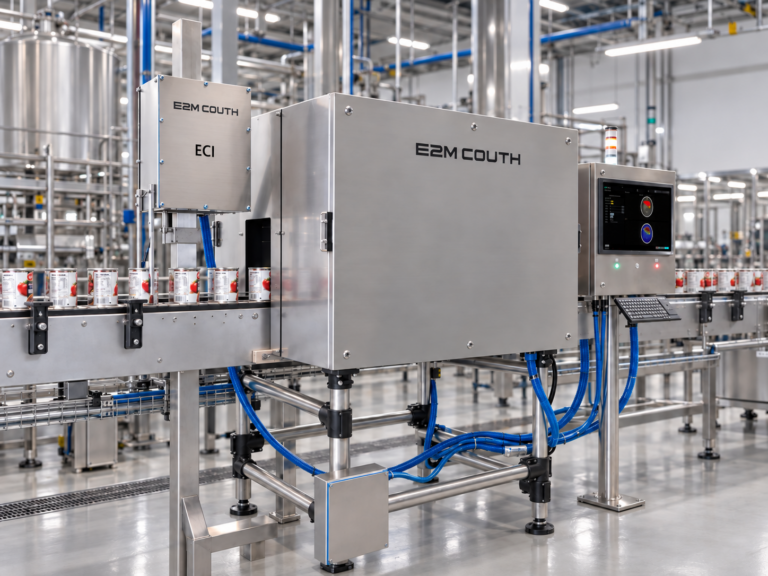
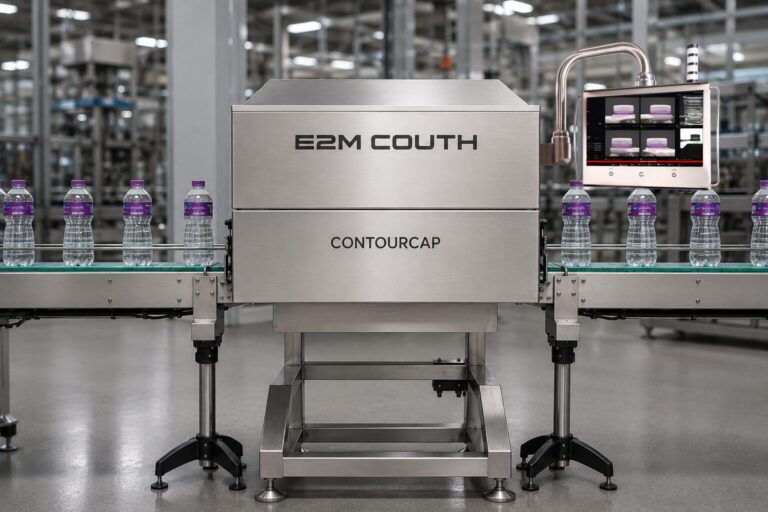
In this context, the solutions we offer at E2M COUTH are the best allies for a production line. These innovative machine vision systems automatically detect and reject defective products, integrating rejection systems that ensure precise and efficient removal of any anomalies. This way, companies in the food sector can improve productivity, reduce waste, and maintain the quality consumers demand.
What is a Production Reject? Most Common Causes
When we talk about what a production reject is, we refer to all those products that, during the manufacturing process, do not meet the quality standards set by the company and therefore cannot be sold or reach consumers. In food production lines, these rejects are particularly important as they affect both safety and brand image.
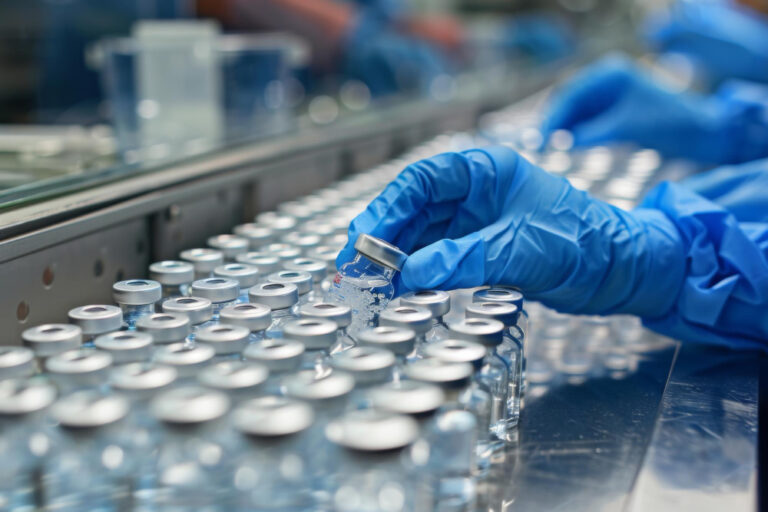
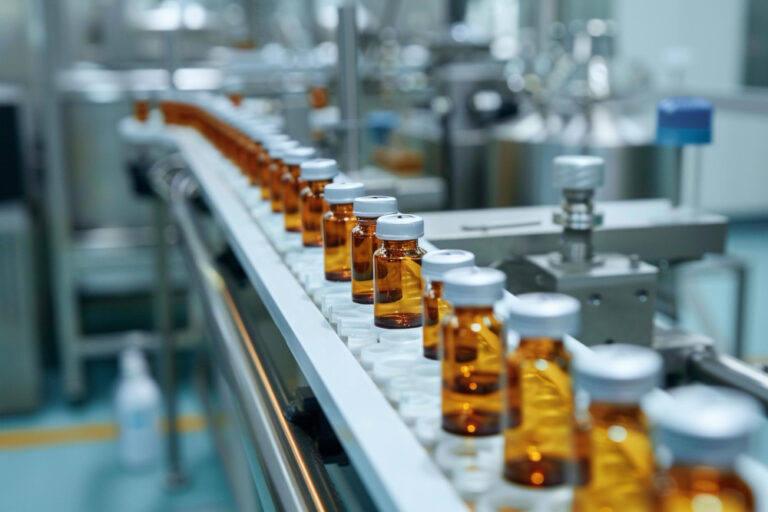
The most common causes of increased rejection rates in these industries are usually related to: defective packaging (dented, poorly sealed, or contaminated), incorrectly placed or erroneous labels (which hinder proper identification), and incomplete or missing products (such as improperly dosed food or incorrect filling levels). Other frequent errors include issues in printing expiration dates or batch codes.
Having automatic rejection systems, like those offered by E2M COUTH, is essential for instantly detecting any product issues. These solutions ensure that only products that meet the required quality standards continue their journey to the end consumer, efficiently helping to reduce the rejection rate and protect the integrity of production lines in the demanding food sector.
How is the Rejection Percentage Calculated?
One of the most relevant questions for any factory is how to calculate the rejection percentage. This indicator measures how many products are discarded in relation to the total produced, and it’s crucial for understanding the efficiency of production lines.
The formula is very simple:
Rejection Percentage = (Number of rejected products / Total products produced) x 100
For example, if 10,000 canned units are produced in a day and 250 are rejected due to labeling or packaging failures, the calculation would be:
(250 / 10,000) x 100 = 2.5%
This rejection percentage allows companies in the food sector to detect production problems, improve processes, and reduce financial losses. However, for this metric to be truly useful, it is essential that rejects are detected quickly and accurately.
This is where inspection and automatic rejection systems like those from E2M COUTH make the difference. Thanks to their advanced machine vision technology, these systems instantly identify defects, helping to keep the rejection rate under control and ensuring only perfect products continue down the production lines.

What Is an Acceptable Rejection Percentage in a Production Line?
In any industry, keeping the rejection percentage under control is essential to ensure profitability and product quality. However, what is considered an acceptable percentage may vary depending on the sector. In the food and beverage sector, where safety and quality standards are extremely strict, a rejection rate above 1% or 2% can already be cause for concern.
Unlike other sectors, food and beverage production lines cannot afford high error levels, as any defect can pose a risk to consumer health and severely damage brand image.
Therefore, if the rejection percentage exceeds these levels, it signals significant problems that must be addressed immediately. In such cases, having automatic inspection and rejection systems, like those from E2M COUTH, makes it possible to detect and correct failures in real time, reducing costs and ensuring final product quality.
How to Reduce the Rejection Rate in a Production Line?
Reducing the rejection rate in food and beverage production lines is essential for improving efficiency and minimizing costs. To achieve this, it’s crucial to train staff in quality control, carry out preventive maintenance on machinery, and, above all, implement advanced detection and rejection technology.
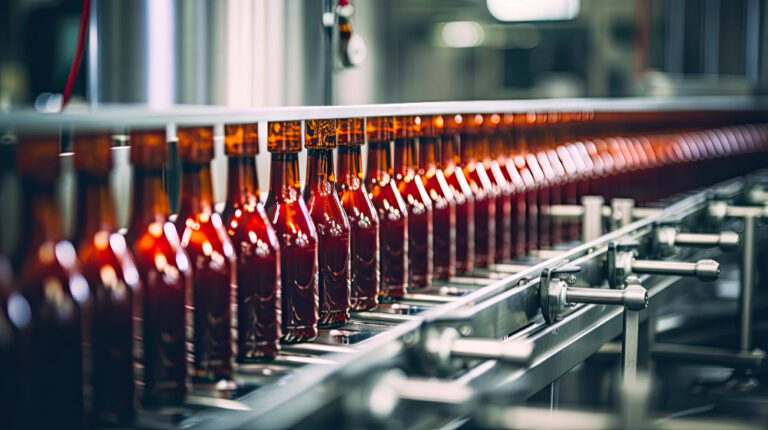
E2M COUTH’s rejection systems instantly identify and eliminate improperly sealed bottles, defective cans, or damaged labels, thus reducing the rejection percentage. Moreover, by understanding how to calculate the rejection percentage, it’s possible to continuously measure and improve the process. Thanks to these solutions, companies in the sector can ensure perfect products and more profitable production.
A high rejection rate in production lines implies financial losses, delays, brand image damage, and legal risks due to non-compliance with food safety standards. To reduce this rejection percentage, automatic rejection systems like those from E2M COUTH are the best solution.
Would you like to learn more about our systems for rejecting defective or problematic products? Then don’t wait any longer—contact us today. Our team will provide you with professional advice to help you choose the best rejection system.