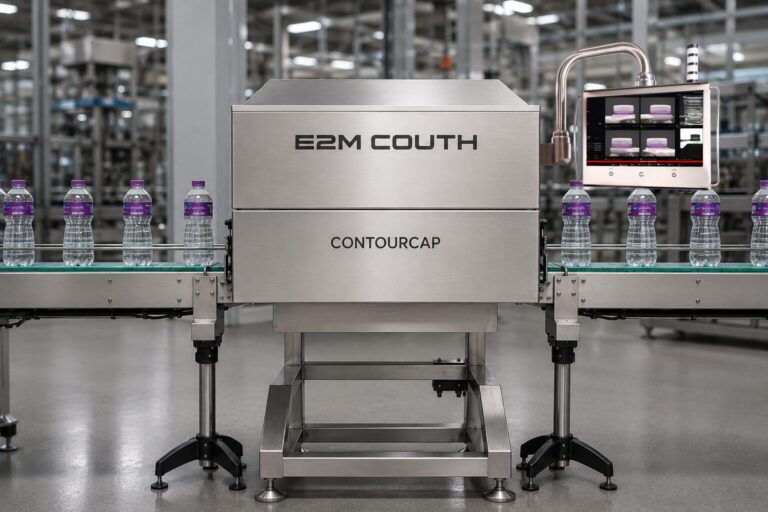

In the realm of product manufacturing and distribution, ensuring the quality of packaging and labeling is paramount. This process, known as quality control (QC), plays a crucial role in maintaining consumer safety, brand reputation, and regulatory compliance. Quality control in packaging and labeling involves rigorous checks to verify that products are correctly packaged, labeled, and free from defects that could compromise their integrity or safety. At E2M COUTH we have the best systems for labeling and packaging, that’s why we have prepared this post to talk about the best packaging inspection systems.
What are Vision Inspection Systems?
Vision inspection systems, like the Packaging Inspection systems, are automated tools used in manufacturing and production environments to inspect and evaluate products based on visual information. These systems employ advanced imaging technology and software algorithms to detect defects, verify dimensions, ensure proper assembly, and assess product quality with high accuracy and speed.
Components of vision inspection systems
Vision inspection systems consist of several key components:
- Cameras and Lenses: High-resolution cameras capture images of the products or components being inspected. Lenses are chosen based on factors like field of view and depth of field requirements.
- Lighting Setups: Proper lighting is crucial for obtaining clear and consistent images. Different lighting techniques, such as bright field, dark field, and diffused lighting, are used to highlight specific features or defects.
- Software Algorithms and AI Applications: Image processing software analyzes captured images, comparing them against predefined criteria to identify defects or anomalies. AI algorithms can learn from data to improve accuracy and adapt to variations in product characteristics.
Importance of Quality Control in Packaging and Labeling
Quality control in packaging and labeling serves several essential purposes:
- Consumer Safety: Properly labeled products help consumers make informed choices and avoid potential health risks associated with incorrect usage or mislabeled ingredients.
- Regulatory Compliance: Many industries are subject to strict regulations regarding packaging and labeling standards. Compliance ensures that products meet legal requirements and avoid penalties or recalls.
- Brand Reputation: Consistently high-quality packaging and accurate labeling contribute to a positive brand image. Customers are more likely to trust and remain loyal to brands that deliver reliable and safe products.
Vision Inspection Systems: A Critical Tool
Vision inspection systems, such as Visiobox, have emerged as indispensable tools in modern quality control processes. These automated systems utilize advanced imaging technology to inspect products rapidly and accurately. By leveraging cameras, sensors, and image processing algorithms, vision inspection systems can detect minute defects, verify label accuracy, and ensure packaging integrity with precision.
Applications of Packaging Inspection Machines in the beverage industry
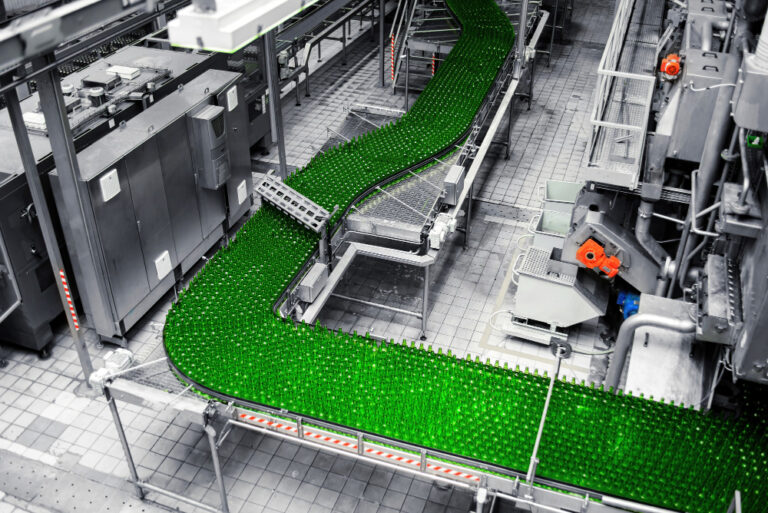
In the beverage industry, packaging inspection is crucial to ensure product quality, safety, and compliance with regulatory standards. Here are some specific challenges and requirements in packaging inspection:
- Quality Assurance: Ensuring bottles or containers are free from defects such as cracks, chips, or deformities that could compromise product integrity.
- Labeling Accuracy: Checking that labels are applied correctly, with no wrinkles, bubbles, or misalignment, and verifying barcode readability.
- Fill Level and Cap Inspection: Ensuring accurate fill levels to avoid underfilling or overfilling, and checking cap presence, position, and tightness.
- Foreign Object Detection: Detecting any foreign materials like glass shards, metal fragments, or other contaminants in the packaging.
- Code and Date Verification: Verifying that date codes, batch numbers, and other product information are correctly printed and legible.
How vision systems address quality issues
Vision systems, as Visiolabel, play a pivotal role in addressing these quality issues by leveraging advanced imaging technology and machine learning algorithms:
- Detection Capabilities: Vision systems can detect minute defects in packaging materials that may not be visible to the naked eye, ensuring only flawless products reach consumers.
- Speed and Efficiency: Automated vision systems operate at high speeds, inspecting thousands of units per hour without compromising accuracy, which is crucial in high-volume production environments.
- Data Collection and Analysis: Vision systems can collect and analyze data in real-time, providing insights into production trends, defect rates, and areas for improvement.
Applications of Packaging Inspection in Food industries
Packaging vision inspection machines are extensively used in the food and beverage industry for various types of inspections to ensure product quality, safety, and regulatory compliance. Here’s a breakdown of the types of inspections they perform and their benefits over manual inspection, along with real-world applications and success stories:
Types of packaging inspection in food industries
We will show you the main inspections performed by the Packaging Vision Inspection Machines:
- Identification: Identification inspections ensure accurate and readable product identification through advanced vision systems. Barcode and QR code reading is crucial in verifying the accuracy and readability of these codes on packaging, ensuring seamless traceability throughout the supply chain. Meanwhile, label verification checks ensure labels are correctly placed, oriented, and contain accurate information. These inspections play a pivotal role in maintaining compliance with regulatory requirements and enhancing brand integrity by preventing labeling errors.
- Verification: Verification inspections are essential for ensuring product quality and safety through meticulous checks. Fill level inspection ensures consistent fill levels in bottles or containers, preventing underfilling or overfilling and maintaining product consistency and customer satisfaction. Similarly, cap and seal inspection checks for proper sealing and closure integrity to prevent leakage and preserve product freshness. These inspections are critical for ensuring product safety and compliance with quality standards.
- Measurement: Measurement inspections focus on guaranteeing dimensional accuracy and compliance with specifications. Dimensional inspection measures packaging components to ensure they meet specified tolerances, verifying dimensional accuracy crucial for product functionality and packaging performance. Weight inspection checks product weight to ensure consistency and compliance with regulatory standards, essential for accurate product pricing and regulatory compliance.
- Defect detection: Defect detection inspections are designed to identify and prevent packaging flaws that could compromise product quality. Surface inspection detects surface defects such as scratches, dents, or contamination on packaging materials, ensuring products are delivered in pristine condition to enhance customer satisfaction. Meanwhile, foreign object detection identifies foreign objects like glass shards, metal fragments, or insects within packaging, safeguarding consumer safety and preventing potential harm or contamination.

Label Inspection in the Chemical Industry
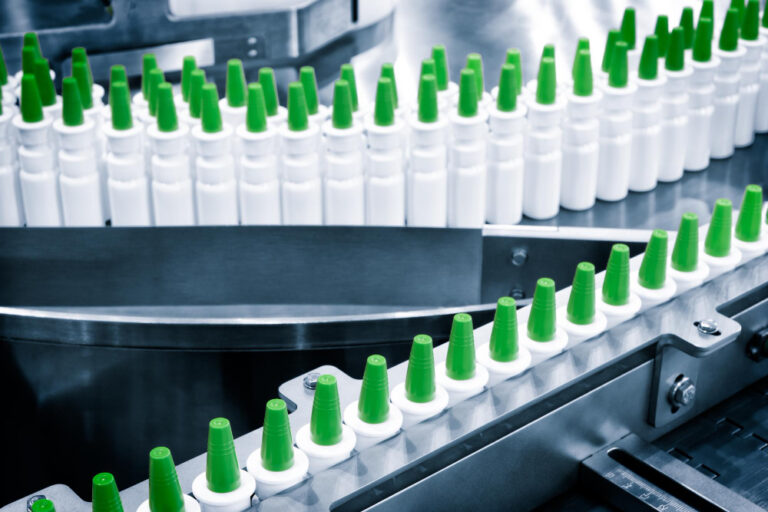
Label inspection in the chemical industry is critical due to stringent compliance and regulatory requirements. Ensuring safety and accuracy in labeling is not just about meeting legal standards, but also about preventing potential hazards and ensuring proper usage of chemical products.
Compliance and Regulatory Requirements
Here are some of the requirements and regulations that fall under label inspection in the chemical industry:
- Legal standards: Chemical products must be labeled according to local and international regulations such as OSHA (Occupational Safety and Health Administration) in the United States or REACH (Registration, Evaluation, Authorization, and Restriction of Chemicals) in the European Union. These standards specify what information must be included on labels to ensure safe handling, transportation, and use of chemicals.
- Safety and Hazard information: Labels on chemical packaging must clearly display safety symbols, hazard statements, precautionary statements, and first aid measures. This information helps users understand the potential risks associated with the chemical and how to handle it safely.
- Accuracy and clarity: Labels must accurately reflect the contents of the chemical product, including its composition, concentration, and any potential hazards. Clear and legible text, along with durable labeling materials, are essential to ensure that information remains intact throughout the product’s lifecycle.
Role of vision systems in label inspection
Vision systems play a crucial role in ensuring safety and accuracy in label inspection within the chemical industry:
- Automated Inspection: Vision systems can automatically inspect labels for correctness, including the presence of required information and the absence of errors such as misprints or incomplete information.
- Barcode Verification: Vision systems verify barcodes to ensure they are correctly printed and scannable. Barcodes are essential for tracking and tracing chemical products throughout the supply chain.
- OCR (Optical Character Recognition): OCR technology within vision systems reads text on labels to verify that all mandatory information is present and correctly spelled.
- Quality Control: Vision systems detect defects such as smudges, scratches, or fading on labels that could impair readability or compliance with regulatory requirements.
Benefits of Vision Inspection Systems
Here are the main benefits of vision inspection systems:
Quality Assurance and Compliance
Vision inspection systems play a crucial role in ensuring quality assurance and compliance within manufacturing processes. By employing advanced imaging technologies, these systems can detect even minute defects and deviations from specifications. This capability ensures consistency in product quality, meeting stringent regulatory standards such as those set by the FDA and ISO. For instance, in pharmaceutical manufacturing, vision systems are utilized to verify the correctness of labels, ensuring compliance with FDA regulations on drug packaging.
Efficiency and Cost Savings
Implementing vision inspection systems leads to significant efficiency gains and cost savings across production lines. By detecting defects early in the manufacturing process, these systems help reduce waste and minimize the need for rework. This proactive approach not only saves materials but also improves overall throughput and productivity. Over time, the cumulative effect of reduced waste and increased efficiency translates into substantial long-term cost benefits for manufacturers.
Enhancing Customer Satisfaction
Vision inspection systems contribute directly to enhancing customer satisfaction by safeguarding product integrity and safety. By ensuring that only products meeting high-quality standards reach the market, these systems help uphold brand reputation and build customer trust. For example, in food processing, vision systems are employed to detect contaminants or irregularities, thus assuring consumers of product safety and reliability. This assurance plays a pivotal role in maintaining customer loyalty and satisfaction.
Choosing the Right Vision Inspection System
When selecting a vision inspection system for your manufacturing processes, several critical factors must be carefully considered, ensuring optimal performance and efficiency. This chapter explores three key considerations: production line integration, scalability and flexibility, and maintenance and support.
Production Line Integration
The seamless integration of a vision inspection system into your existing production line is crucial for minimizing disruptions and maximizing productivity. Compatibility with your current equipment and automation processes is paramount. Evaluate whether the system can interface effectively with your PLCs (Programmable Logic Controllers) or other control systems without requiring extensive modifications or downtime. Additionally, consider the ease of installation and alignment with your line’s layout to avoid bottlenecks and streamline operations.
Scalability and Flexibility
As your business grows and production demands evolve, the scalability and flexibility of your vision inspection system become increasingly important. Choose a system that can adapt to changes in production volume, product variations, and inspection requirements. Scalability ensures that you can easily expand the system to cover additional production lines or integrate new features as needed. Flexibility refers to the system’s ability to accommodate different product sizes, shapes, and inspection criteria without significant reprogramming or hardware adjustments.
Maintenance and Support
Effective maintenance and reliable support are essential for minimizing downtime and ensuring continuous operation of your vision inspection system. Evaluate the provider’s support services, including response times, availability of spare parts, and technical expertise. A robust maintenance schedule should be established to prevent issues before they occur and to optimize system performance over time. Consider the ease of software updates and calibration procedures to keep the system running at peak efficiency.
Future Trends in Vision Inspection Technology
As technology continues to evolve, the future of vision inspection systems is poised for significant advancements that promise to revolutionize manufacturing processes. Here are the main innovations for the future:
AI and Machine learning
One of the most transformative trends in vision inspection technology is the integration of artificial intelligence (AI) and machine learning algorithms. These technologies enable systems to learn from data, improving accuracy in defect detection and classification. AI-powered vision systems can adapt to variations in products and environments, enhancing reliability and reducing false positives.

Advancements in automated defect detection
The evolution of vision inspection systems is marked by advancements in automated defect detection capabilities. High-resolution cameras coupled with sophisticated image processing algorithms can detect defects that are often imperceptible to the human eye. This level of precision ensures that even minor deviations from quality standards are identified and addressed promptly, minimizing waste and enhancing product reliability.
As we have seen, inspection and labeling systems are very important in many industries today. Do you want to know more about our machine vision systems? Then contact us and we will give you all the information you need.