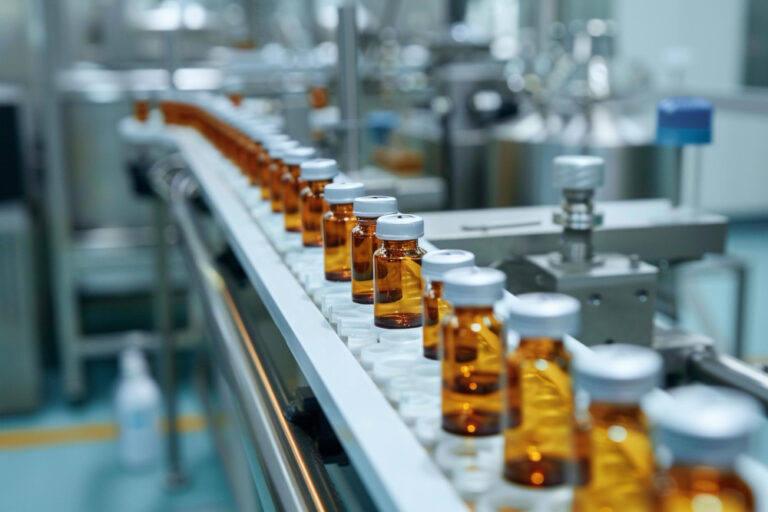

Defective production refers to the manufacture of products that do not meet quality standards, which can result in design errors, material failures or inadequate production processes. This phenomenon has a negative impact on companies, as it generates financial losses, reduces customer satisfaction and can damage brand reputation. In key sectors such as beverages and food, where safety and quality are essential, the risks associated with faulty production are even more critical, as defective products can compromise the health of consumers.
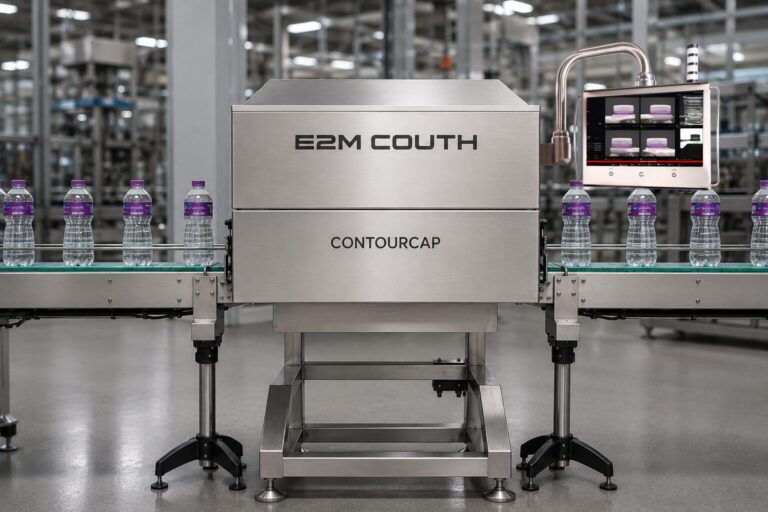
At E2M COUTH we have the best solutions to combat this problem. With our inspection and rejection technologies, we enable companies to detect defects in real time, ensuring that only products that meet quality standards reach the market, minimising risks and losses.
What is defective production?
Defective production is the term used for the manufacture of products that do not meet the quality standards and specifications set for that item. Within the industrial sector, this can be due to design errors, material failures, inadequate manufacturing processes or defects in the handling of the materials themselves. These defective products can vary in type and nature, and it is very important for companies to be able to identify them at an early stage to prevent major problems from occurring.
Production defects themselves can be classified in different ways. Here are some common examples:
- Poorly manufactured product: A product that does not meet the required technical specifications, such as a part that does not fit correctly.
- Visual defects: This includes imperfections such as scratches, dents or irregularities in the surface finish of a product, which are critical in sectors such as automotive or electronics.
- Functional defects: Products that do not perform as expected, such as a beverage that does not taste or does not have the required consistency.
It is very important to be able to identify these defects early in the production line, which cannot be underestimated. This can help you avoid financial losses, as they can be rejected or repaired before they reach the end consumer.
Common types of defects in the food industry
In the food industry, especially in sectors such as beverages, canned and packaged foods, the production of defective products can have a major impact on both the quality and safety of the final product. There are different types of defects that can occur during production, which can compromise the integrity of the product.
1. Defects in packaging
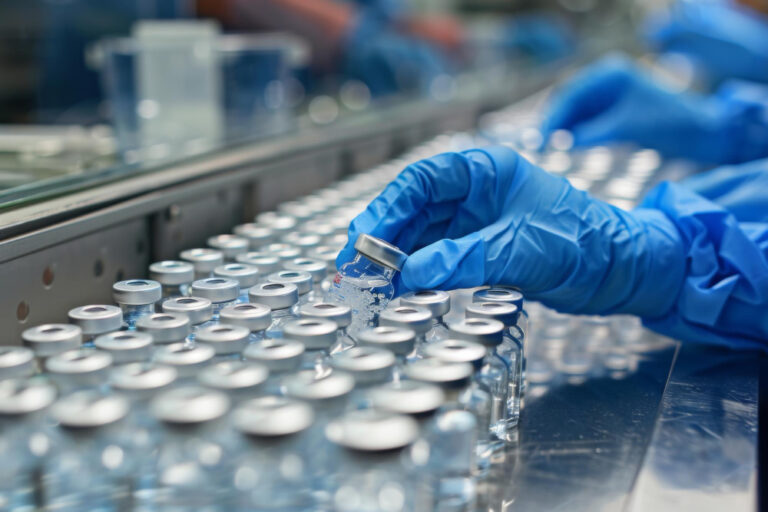
One of the most common defects are packaging problems, such as broken seals or poorly sealed containers, which could lead to product contamination. In the case of canned food, the lack of a correct seal can allow bacteria to grow and increase, compromising food safety.
2. Taste or texture problems
Another recurring defect is taste or texture problems in beverages and processed foods. For example, a beverage that does not have the right concentration of flavour, or canned foods with a texture that is too bland or spoiled, may not only make the product unappealing, but may also become unusable to the consumer.
3. Visual defects
Visual defects can also be seen a lot in the food industry. This includes changes in colour or the presence of foreign elements in products, which is perceived by consumers and can also affect brand trust.
These defects not only affect product quality, but also have a negative impact on brand perception. A single defective batch could be capable of damaging customer confidence and affecting the company’s reputation, resulting in financial and loyalty losses.

Automated solutions for detecting and rejecting defective products
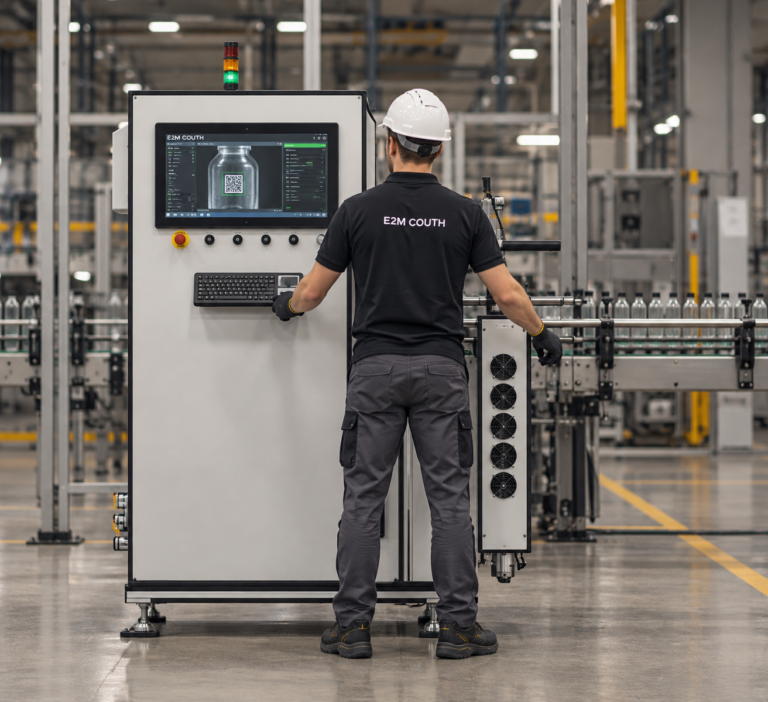
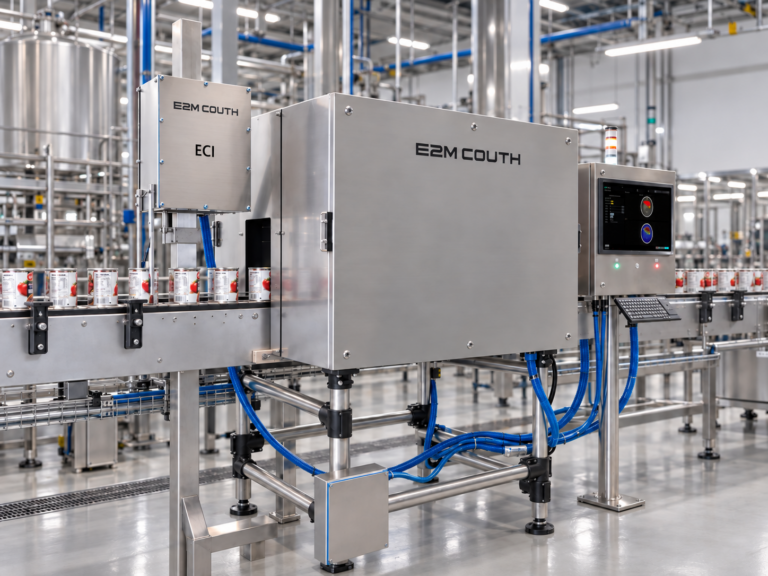
The automatic inspection and rejection technology using artificial vision that we offer at E2M COUTH is capable of transforming the way companies control the quality of their products in real time. This system uses high-resolution cameras and advanced algorithms to find defective products with pinpoint accuracy. It is able to detect visual defects such as scratches, dents, or irregularities in labelling, as well as functional problems such as improperly closed seals on packaged products, which is crucial in the food industry.
Implementing automated inspection and rejection systems can offer many benefits. First, it significantly improves production line efficiency by enabling the detection and removal of defective products quickly and accurately, without the need for manual intervention. This reduces both downtime and labour costs, which increases plant productivity.
In turn, automation enables more consistent and reliable quality control. Defects can be identified and rejected instantly, ensuring that only products that meet standards reach the end consumer. This not only minimises the risk of defective products in the marketplace, but can also reduce financial losses and enhance brand reputation.
In addition, machine vision is adaptable to different sectors, making it a flexible solution. In industries such as beverage and canning, where food safety is a critical issue, this technology is particularly valuable, as it allows the highest quality standards to be maintained at every stage of production.
Do you have any doubts or do you want to know more about our inspection and rejection systems? Don’t wait any longer and contact us, so we can give you the best advice.