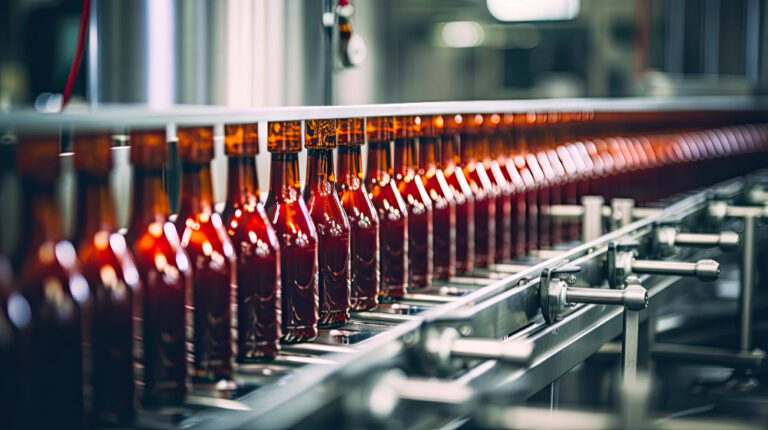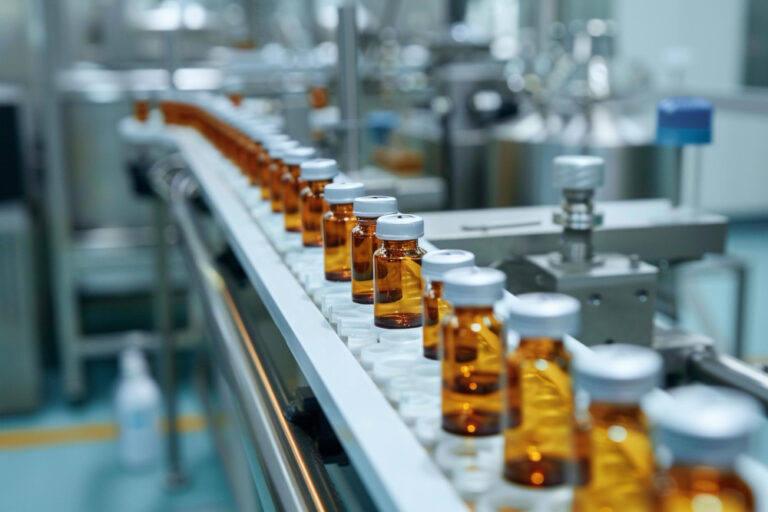

In the competitive world of beverage production, maintaining consistent quality is essential. A slight variation in flavor, color, or texture can lead to dissatisfied customers and harm the brand’s reputation. This makes quality control a critical aspect of production. Traditional manual quality checks, while important, often cannot match the speed and accuracy required to meet modern production demands. This is where automated quality control systems come into play. By leveraging advanced technologies, such as vision systems and machine learning, automated solutions can inspect every product on the production line in real-time.
These systems ensure that only products meeting the highest standards are delivered to customers, significantly reducing errors and waste. E2M COUTH is at the forefront of helping beverage manufacturers optimize their production lines. With cutting-edge automated quality control systems, E2M COUTH improves both efficiency and product consistency, enabling brands to stay ahead in the market.
The impact of quality in beverage production
Ensuring high quality in beverage production is crucial for maintaining a brand’s reputation and customer loyalty. Any inconsistency in taste, appearance, or packaging can lead to customer dissatisfaction, lost sales, and potential regulatory issues. Quality control is not only about compliance but also about staying competitive in a saturated market where consumer expectations are high.
In beverage production, quality inspection traditionally involves manual processes that are prone to human errors, inconsistencies, and subjectivity. These challenges can lead to products failing to meet the required standards, negatively affecting both production efficiency and brand image. As such, it’s critical for manufacturers to adopt robust systems that ensure every product is evaluated consistently.
Automated quality control systems have revolutionized this aspect of beverage production. These advanced systems use technologies such as vision cameras, sensors, and AI to inspect products with precision and at high speeds, ensuring that every bottle or can meets stringent quality standards. By integrating automation, producers not only reduce human error but also improve production line efficiency, making quality control faster and more reliable.
Description of common challenges in beverage production related to quality control
In beverage production, human errors, inconsistencies, and manual inspection errors are common challenges that can lead to product defects. Manual inspection often involves visual checks, which can be subjective and prone to fatigue, leading to mistakes. This can result in beverages that fail to meet quality standards, wasting both resources and time. Automated quality control systems help mitigate these issues by providing consistent, accurate inspections, ensuring that all products meet the desired quality standards and reducing the risk of errors.
The importance of quality to remain competitive in the beverage industry
In the highly competitive beverage industry, quality is a key differentiator. Brands that consistently deliver high-quality products are more likely to build customer trust and retain a loyal consumer base. Quality inspection in production plays a direct role in ensuring that products are consistent in taste, appearance, and packaging. When a company invests in effective beverage production quality inspection, they not only reduce the risk of defects but also position themselves as reliable and trustworthy, which is essential for maintaining a competitive edge in the marketplace.
Explanation of how good quality reduces waste and improves customer satisfaction
Automated quality control systems play a significant role in reducing waste and improving customer satisfaction. By ensuring that only products meeting high-quality standards are packaged and shipped, manufacturers can prevent defects that would otherwise be discarded. This reduces material waste and maximizes the use of resources. Furthermore, consistent product quality leads to higher customer satisfaction, as consumers are more likely to return to brands that offer reliable and great-tasting beverages. This creates long-term customer loyalty, which is essential for sustained business success.
What are automated quality control systems in beverage production?
Automated quality control systems are technological solutions used in beverage production to ensure that every product meets the required quality standards before it reaches the consumer. These systems leverage vision inspection technologies, sensors, and AI to inspect, monitor, and verify various aspects of the production process, such as filling, capping, and bottle orientation.
Automated systems in beverage production are crucial for improving efficiency and accuracy. These systems allow manufacturers to check every bottle or can for defects in real-time, ensuring that only products that meet high standards are shipped. Key areas of automated quality control include filling inspection, capping inspection, and bottle orientation inspection, each addressing different potential sources of defects that can impact the product’s quality and safety.
Definition and explanation of automated quality control systems
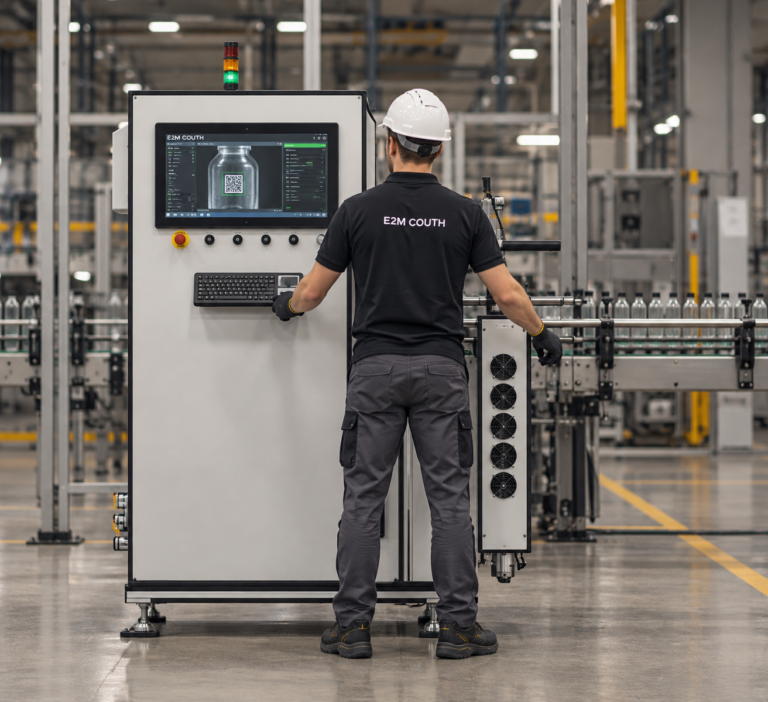
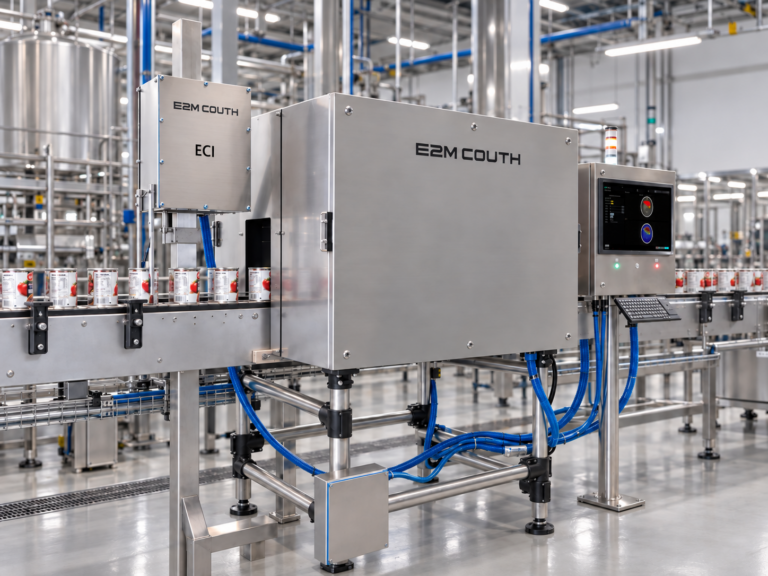
Automated quality control systems are designed to enhance beverage production by using advanced technologies to monitor and inspect the production line. These systems include vision inspection systems for beverages that utilize high-resolution cameras and AI algorithms to detect potential flaws in products. They inspect critical stages like the filling process, capping, and bottle orientation to ensure consistent quality across every unit produced.
- Filling inspection: Automated filling inspection machines detect underfilled or overfilled bottles, ensuring consistency in product quantity.
- Capping inspection: Vision systems verify that caps are properly placed, ensuring the integrity of the seal and the safety of the product.
- Bottle orientation inspection: This ensures bottles are correctly oriented before packaging or labeling, preventing mislabeling or improper packaging.
By incorporating automated quality control systems, beverage manufacturers reduce human error, improve production speeds, and ensure product safety and consistency.
Automated filling inspection
Automated filling inspection systems are essential for maintaining precision during the filling process. Vision-based systems are equipped to detect whether a bottle is overfilled or underfilled. These inspections ensure that each bottle contains the correct amount of liquid, preventing both product waste and consumer dissatisfaction.
How vision systems detect defects in the filling process
Vision systems utilize high-resolution cameras to scan each bottle as it passes through the production line. These cameras measure the liquid level and detect any discrepancies, identifying overfilled or underfilled bottles in real-time.
Benefits of automated filling inspection in terms of precision, speed, and reducing waste
Automated filling inspection systems provide significant advantages in terms of speed and precision. They can quickly inspect a high volume of bottles with accuracy, ensuring each product meets exact specifications. By reducing errors, these systems also minimize waste, leading to cost savings and more efficient production.

Automated capping inspection
Capping inspection is critical to ensuring that bottles are sealed properly. Vision systems can detect cap misalignment, missing caps, or damaged caps, all of which can compromise product safety and quality.
Description of how Vision systems verify that bottles are correctly capped
Automated capping inspection systems use vision technology to verify the alignment and placement of caps on bottles. The system scans each cap to ensure it is securely placed and properly sealed.
How defects like misaligned caps, missing caps, or damaged caps are detected
These vision systems can quickly detect issues such as caps that are misaligned, missing, or damaged. This is crucial for preventing packaging defects that could lead to contamination, spoilage, or leaks.
Benefits of ensuring proper capping to avoid losses and improve product safety
Ensuring proper capping is essential for avoiding costly losses due to product defects. It also plays a vital role in maintaining product safety and freshness, reducing the risk of contamination and ensuring that products reach consumers in optimal condition.
Automated bottle orientation inspection
Correct bottle orientation is crucial for the packaging and labeling process. Misaligned bottles can lead to issues like incorrect labeling or damaged labels, which can negatively affect product presentation and customer perception.
Why bottle orientation is crucial for the packaging process and product presentation
Proper bottle orientation ensures that labels are applied correctly and consistently, and it prevents labeling errors that could affect the brand’s image. Misoriented bottles can result in significant delays in the packaging process.
How vision-based systems ensure bottles are properly oriented before labeling or packaging
Vision systems for bottle orientation inspection use high-resolution cameras to verify the alignment of each bottle before it enters the labeling or packaging stages. If a bottle is misoriented, the system can direct it for correction, ensuring smooth operation.
Benefits of orientation inspection to improve production line efficiency
By ensuring proper bottle orientation, manufacturers can streamline their production line and reduce the risk of packaging errors. This leads to more efficient operations, fewer delays, and reduced labor costs, ultimately improving overall production speed and profitability.
Advantages of Automating Quality Control in Beverage Production
Automating quality control in beverage production offers numerous advantages, including increased efficiency, reduced errors, improved product consistency, and long-term cost savings. These benefits enable manufacturers to streamline their processes, reduce waste, and ensure that every product meets the highest standards, all while improving the bottom line.
Increased speed and efficiency in production
Automated quality control systems significantly increase the speed of production by quickly inspecting and sorting products without human intervention. These systems can operate 24/7 at high speeds, enabling beverage manufacturers to produce large volumes of products in a shorter time frame. This enhanced efficiency leads to faster turnaround times and increases overall productivity.
Reduction of human errors and defects in product inspection
Human error is a common issue in manual quality control processes. Automated quality control systems minimize these errors by relying on advanced vision systems and AI algorithms for consistent and precise inspections. This reduces the likelihood of defects going unnoticed, ensuring that each product meets the required quality standards.
Improvement in product consistency and meeting quality standards
Automated systems ensure consistent product quality by inspecting each item on the production line with the same level of accuracy. This ensures that every beverage, whether it’s a bottle or can, meets the same high standards, reducing variations in taste, appearance, and packaging.
Long-term cost savings due to reduced product waste and less rework
By automating the quality control process, beverage manufacturers can significantly reduce product waste caused by defective or non-compliant items. Additionally, with fewer mistakes and the ability to catch defects early, manufacturers save on the costs associated with reworking products, ultimately leading to long-term cost savings.

Why trust E2M COUTH for quality control in your production line
E2M COUHT is a leader in providing automated quality control systems designed to enhance beverage production lines. With years of experience in the industry, the company has developed cutting-edge solutions that prioritize precision, speed, and reduce waste. E2M COUTH’s automated systems are equipped with advanced vision technology and AI-driven algorithms, ensuring that every product is inspected with accuracy and efficiency, all while maintaining the highest quality standards.
The company’s commitment to excellence is reflected in its ability to streamline production processes, significantly improving efficiency. By eliminating manual inspections and minimizing human errors, E2M COUTH’s solutions help manufacturers optimize their production lines and reduce the risk of defects. The result is a faster, more reliable process that consistently delivers high-quality products to consumers.
E2M COUTH plays a crucial role in transforming beverage production by offering innovative quality control systems that not only improve operational speed but also reduce product waste. With E2M COUTH, you can trust that your production line will run smoothly, efficiently, and with minimal waste, ultimately enhancing your bottom line and maintaining consumer satisfaction.
Optimize your beverage production with E2M COUTH’s automated quality control systems
Quality control is essential in beverage production to ensure that every product meets the highest standards and satisfies consumer expectations. Consistent quality is vital for maintaining brand reputation, consumer trust, and staying competitive in the market. Traditional manual inspection methods, while necessary, often fail to keep up with the speed and precision required for modern production lines.
Automated quality control systems provide a solution by enhancing production line efficiency, reducing human errors, and improving product consistency. These systems not only streamline the inspection process but also minimize waste, ensuring that only high-quality products make it to consumers.
At E2M COUTH, we are committed to offering advanced automated quality control solutions tailored to your production needs. Our systems help optimize your production line, improve efficiency, and ensure product quality at every stage. Contact us today to learn how E2M COUTH can elevate your beverage production with our cutting-edge quality control systems.