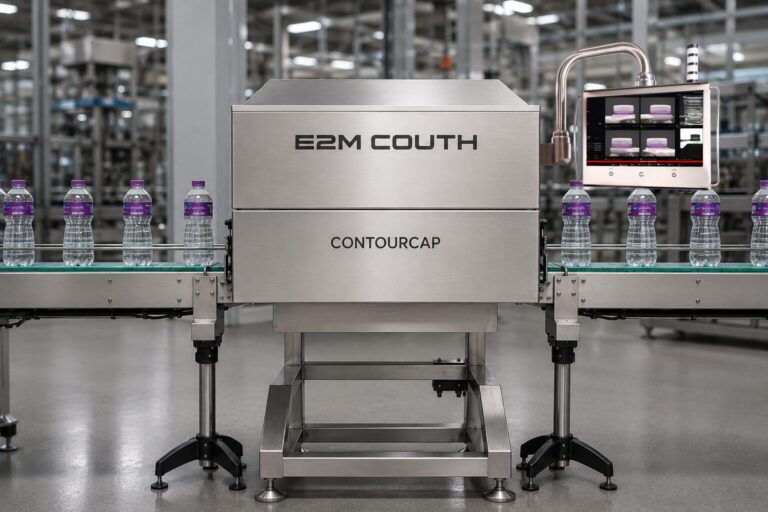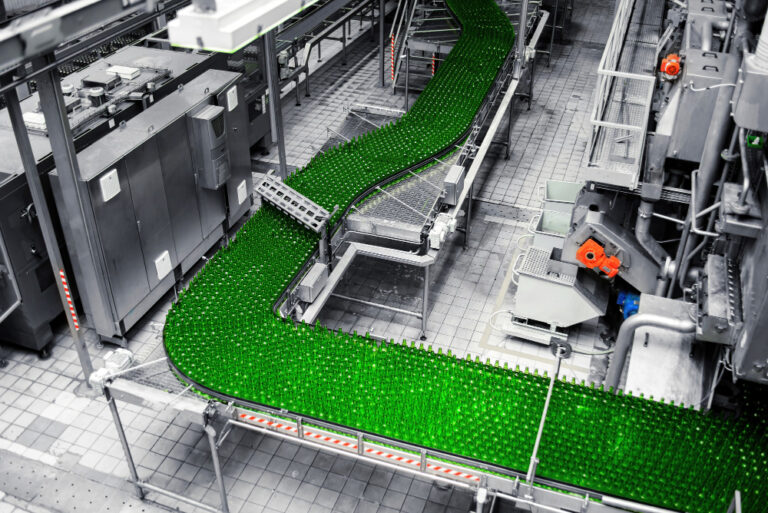
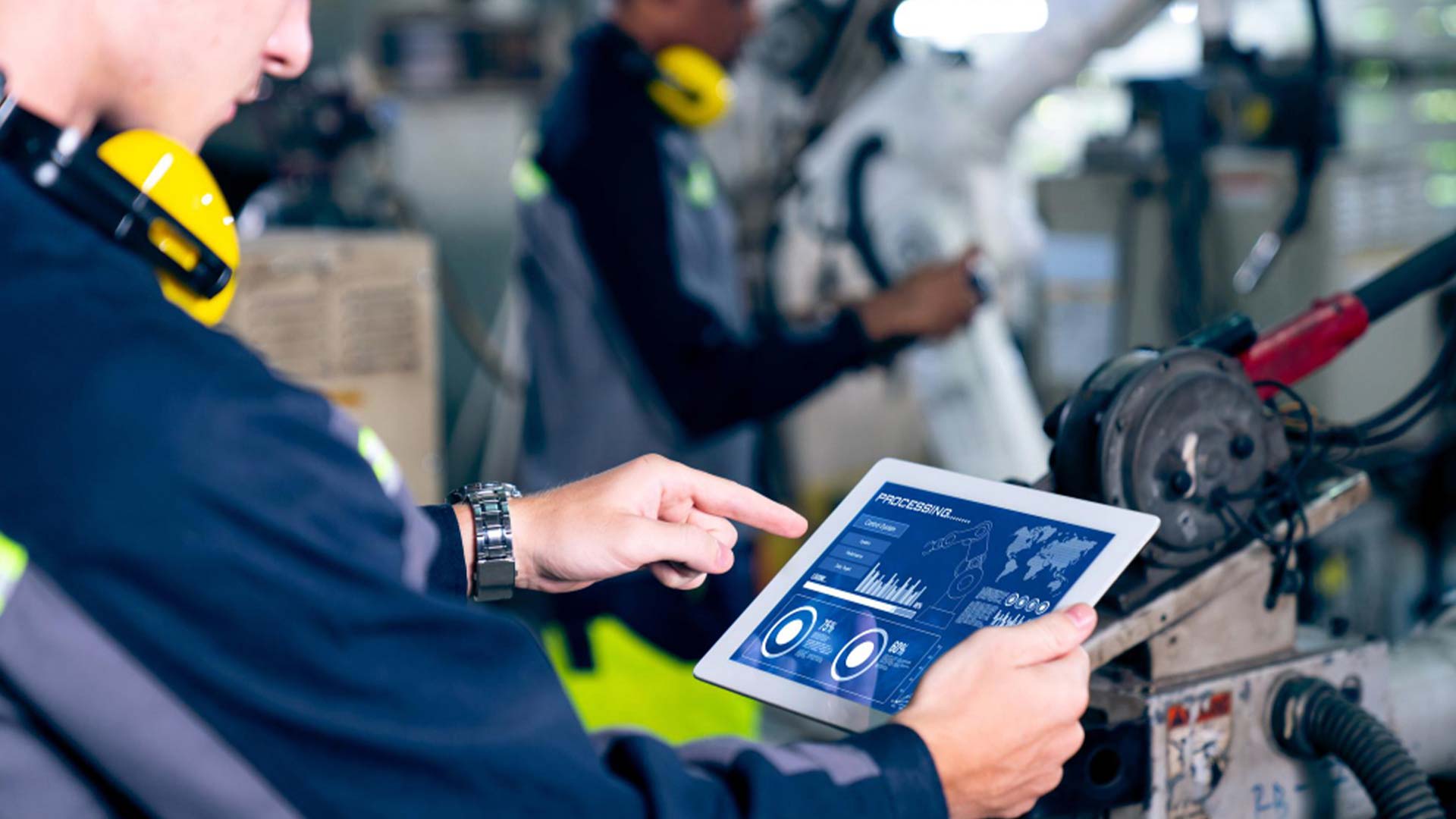
Artificial vision systems are rapidly becoming a cornerstone of modern industrial operations, providing significant benefits across various sectors. These systems, often referred to as “machine vision,” enable machines to “see” and interpret visual data, enhancing efficiency and precision in manufacturing. Unlike AI, which encompasses a broader scope of cognitive technologies, artificial vision is specifically designed to process and analyze visual data, making it a crucial component in advanced manufacturing solutions.
The integration of artificial vision systems into industrial processes leads to improved quality control, automation, and real-time monitoring, minimizing errors and optimizing production workflows. With the ability to perform tasks such as defect detection, object recognition, and measurement, these systems are transforming industries like automotive, electronics, and pharmaceuticals.
Artificial vision not only drives efficiency but also fosters innovation in smart factories, where automated machines and robots collaborate seamlessly. As industries increasingly embrace these solutions, the importance of companies like E2M COUTH, leader in providing cutting-edge artificial vision systems, becomes clear. Our solutions are designed to enhance the productivity and accuracy of industrial operations, showcasing the growing significance of artificial vision in shaping the future of manufacturing.
What are artificial vision systems?
Artificial vision systems, also known as machine vision systems, are advanced technologies designed to enable machines to autonomously inspect, measure, and check the quality of products in industrial settings. These systems rely on a combination of cameras, sensors, lighting, and software, all working together to perform tasks traditionally done by human inspectors, but with greater speed and accuracy.
The system’s core component is the camera, which captures high-resolution images of objects or products on the production line. These cameras are tailored for specific functions, such as detecting defects, measuring dimensions, or identifying certain features. They can even detect microscopic flaws that might be invisible to the human eye.
Sensors are used alongside cameras to gather additional information about the position, movement, or physical properties of the objects being inspected. These can include proximity sensors or laser scanners, which help to ensure accurate measurement and alignment.
Lighting is another crucial component of artificial vision systems. Proper illumination is essential for obtaining clear and precise images. Different types of lighting, such as diffuse lighting, backlighting, or spot lighting, are used to highlight particular details or flaws on an object’s surface, ensuring the system can capture accurate images even under varying production conditions.
Finally, the software processes the images and sensor data. It analyzes the visual data, comparing it to pre-programmed specifications or quality standards to identify defects, measure dimensions, or verify markings. The software ensures that only products meeting the required quality standards move forward in the production process.
These integrated components enable machines to perform automated quality control technology with remarkable efficiency. By reducing human intervention, artificial vision systems provide significant benefits, including improved consistency, higher throughput, and fewer errors, making them indispensable in industries where precision is critical.
Enhanced Product Quality with Artificial Vision Systems
Artificial vision systems have revolutionized the way industries maintain product quality by offering precise, automated inspections during manufacturing processes. These systems enhance quality control by detecting defects, irregularities, and inconsistencies that might otherwise go unnoticed during manual inspections. By automating visual inspections, companies can ensure that each product meets strict quality standards, resulting in fewer defective products reaching the consumer and lower operational costs.
One of the key artificial vision systems benefits is their ability to identify defects with a level of accuracy and consistency that far exceeds manual inspection. Unlike human inspectors, who may tire, overlook defects, or be influenced by external factors like lighting or fatigue, vision systems are relentless in their precision. These systems use high-resolution cameras, sensors, and advanced software to identify even the smallest flaws, such as surface scratches, incorrect measurements, or color inconsistencies, ensuring that products meet the exact specifications required.
Real-World applications of artificial vision systems
In industries like automotive manufacturing, artificial vision systems are essential for maintaining quality. Vision systems inspect critical components such as body panels, engine parts, and safety equipment, checking for surface imperfections, incorrect welds, or misaligned parts. Any part that does not meet the specified standards is flagged for removal, reducing the chance of defective parts being assembled into vehicles. This leads to better overall product quality and enhances safety by preventing faulty components from being used in production.
The electronics industry also benefits significantly from artificial vision systems. As products become smaller and more complex, manual inspection becomes impractical. Vision systems are used to inspect wirings and other components, detecting defects that are crucial for the functionality of the device. This level of precision helps electronics manufacturers maintain high-quality standards while reducing the risk of product failure or customer dissatisfaction.
By consistently producing higher-quality products, artificial vision systems also contribute to cost savings. Defective products often lead to costly returns, repairs, and reputational damage. By catching these defects early in the production process, companies can reduce the need for rework and minimize warranty claims. Furthermore, the reduction in defective products improves customer satisfaction and brand reputation, which ultimately leads to increased sales and loyalty.
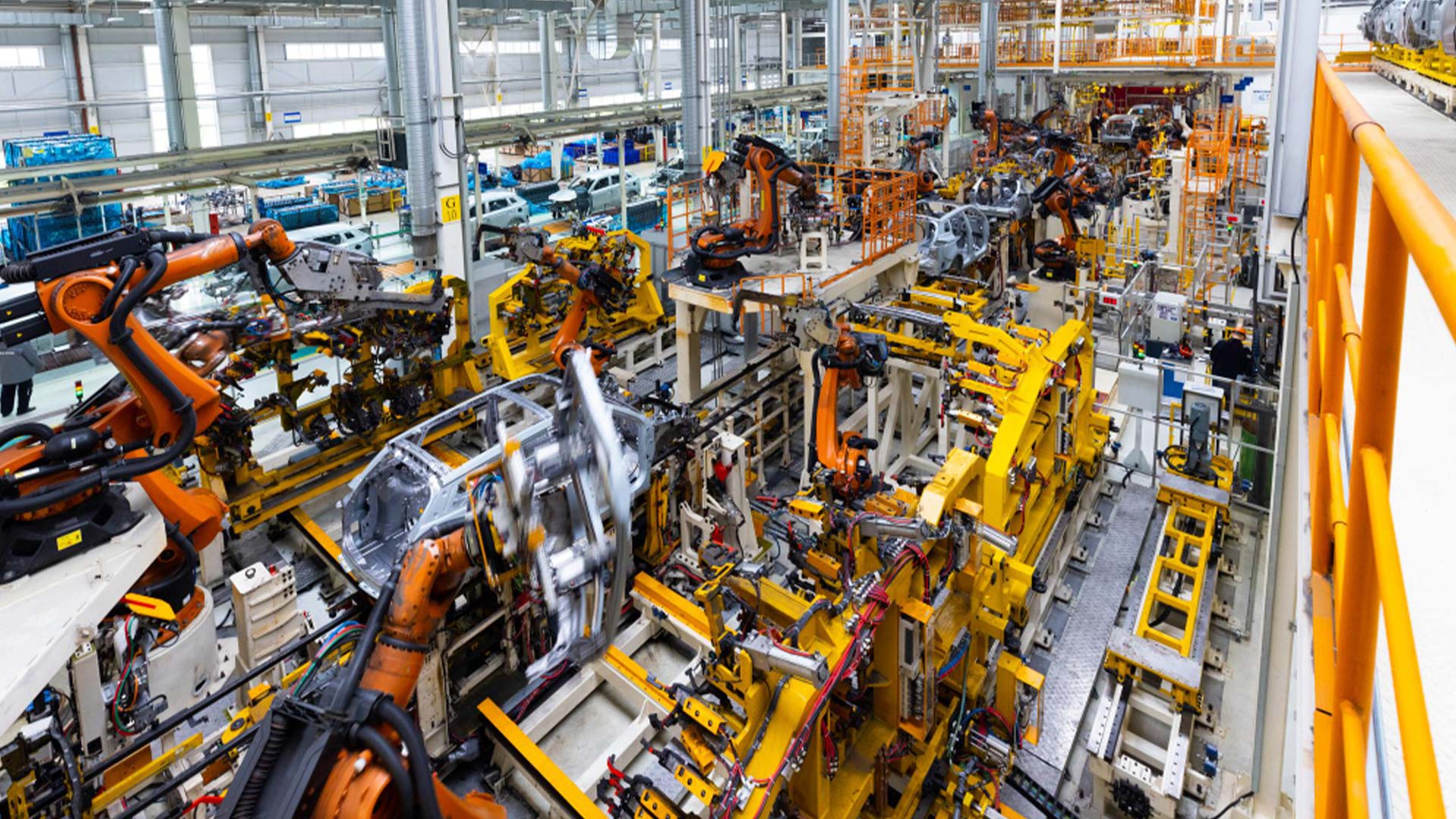
Increased productivity with artificial vision systems
Artificial vision systems have become a game-changer in manufacturing, significantly boosting productivity across various industries. By automating inspections and quality checks, these systems free up human workers from repetitive tasks, allowing them to focus on more strategic and complex activities. The integration of advanced manufacturing solutions powered by artificial vision leads to streamlined operations, enabling businesses to maximize their output while maintaining high standards of quality.
Boosting operational efficiency with automation
One of the most significant artificial vision systems benefits is the ability to handle high-volume inspections at a much faster rate than human workers. Vision systems can quickly assess products for defects, dimensions, and quality, completing tasks in a fraction of the time it would take for a person to manually perform the same inspections. This speed not only increases the overall throughput of a production line but also reduces the likelihood of human error, which can cause costly delays and disruptions in the manufacturing process.
Industries that require fast-paced production, such as food production and pharmaceuticals, have particularly benefited from the adoption of artificial vision systems. In food production, for example, vision systems can monitor and inspect products for contamination, size consistency, and packaging accuracy in real-time. This high-speed, automated process ensures that products meet quality standards without the bottleneck of human inspections, leading to quicker processing times and a more efficient workflow.
In the pharmaceutical industry, where precision and speed are crucial for maintaining quality and compliance, artificial vision systems are used to inspect the quality of tablets, bottles, and packaging. These systems can check for defects, misprints, or label inaccuracies, ensuring that each product is properly packaged and labeled before distribution. The ability to perform such checks autonomously reduces human intervention and minimizes the risk of costly errors or product recalls.
In addition to speeding up inspections, artificial vision systems also reduce downtime by identifying defects early in the production process. This proactive approach minimizes delays caused by faulty products or the need for rework. The result is smoother workflows, fewer errors, and a more efficient overall operation, allowing manufacturers to keep pace with growing demand while minimizing costs.
Improved quality control accuracy with artificial vision systems
Artificial vision systems have dramatically enhanced quality control processes by offering far greater accuracy and reliability than traditional manual inspection methods. These advanced systems leverage high-resolution cameras, sensors, and automated quality control technology to detect defects with precision, ensuring that only the highest-quality products make it to market.
Precision through software algorithms and detection of Micro-defects
One of the most significant advantages of artificial vision systems is their ability to detect micro-level defects that may go unnoticed by the human eye. These systems use high-definition cameras and powerful software algorithms to examine products in fine detail, identifying even the smallest flaws such as scratches, surface imperfections, or dimensional inaccuracies. For instance, in industries where precision is critical, such as aerospace or electronics, even a tiny defect can have serious consequences, making it essential to identify issues early in the production process.
The software behind artificial vision systems plays a crucial role in ensuring precise measurements and adherence to strict inspection standards. By analyzing visual data and applying complex algorithms, the software can compare each product against pre-defined criteria, such as exact dimensions, shape, or surface quality. This automated approach guarantees consistent and objective quality checks, eliminating the subjective judgment that can arise with manual inspections.
The ability to catch such minute defects early in the production process not only ensures the highest levels of product quality but also reduces the risk of costly recalls, product failures, and safety issues. By automating inspections and improving the accuracy of quality control, artificial vision systems enable industries to produce products that meet rigorous standards, significantly enhancing overall quality assurance processes.
Better customer satisfaction and retention with artificial vision systems
Artificial vision systems play a pivotal role in enhancing customer satisfaction and fostering long-term loyalty. By enabling manufacturers to improve quality control with vision systems, companies can ensure that every product is defect-free and meets the highest standards. This leads to better product quality, reduced errors, and faster production times, all of which directly contribute to a more positive customer experience.
When customers consistently receive high-quality, reliable products, they are more likely to trust the brand and remain loyal. The ability to deliver products without defects builds stronger relationships with customers, as they know they can depend on the brand for quality. Automated vision systems ensure consistent inspections, which eliminates the variability often introduced by human errors, ensuring that every product is up to par with the required standards.
Artificial vision systems benefits also include the ability to accelerate production times while maintaining quality, allowing businesses to meet customer demands more quickly. By reducing defects and ensuring that products are consistently manufactured to spec, companies can enhance their reputation for quality and reliability.
Ultimately, improved consistency, faster production, and fewer errors all contribute to customer satisfaction. With automated systems in place, businesses can consistently meet customer expectations, which is vital for building long-term customer retention and loyalty.
Why invest in artificial vision systems?
Investing in artificial vision systems offers numerous benefits, making them a crucial component of modern industries. These systems provide advanced manufacturing solutions, enhancing automated quality control technology and ensuring higher-quality output with fewer errors.
The long-term cost savings, driven by reduced rework and fewer returns, are significant. Moreover, artificial vision systems offer a competitive advantage by improving operational efficiency and product consistency. These systems are scalable, supporting broader digital transformation efforts in industries. Companies should explore the potential of artificial vision systems to stay ahead of the competition and optimize their operations for the future.
Artificial vision systems provide significant benefits by improving productivity, quality control, and customer satisfaction. These systems enable industries to achieve higher accuracy, reduce errors, and streamline operations, ensuring a competitive edge in the marketplace. As a strategic investment, artificial vision enhances long-term growth and operational efficiency. Industries seeking to stay ahead should adopt these technologies for improved processes and consistent results.
For more information on integrating artificial vision systems into your operations, contact us to explore how our solutions can elevate your business.