Multistep: Stable diversion or rejection system

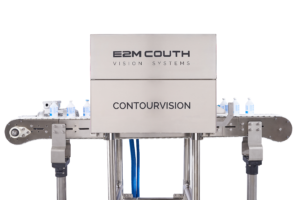
The Multistep rejection system by E2M COUTH is an innovative solution in the world of product rejection for production lines. With technological progress and the growing need to automate industrial processes, the Multistep system was designed to provide stable and safe rejection for products, guaranteeing maximum efficiency in production without compromising the end product’s quality. This system is perfect for settings where gentle rejection is essential, without harming the product or the container, thereby maximising productivity and reducing the risk of mechanical failures.

INDUSTRIES

• Beverages
• Food
• Chemicals
• Pharma & cosmetics

inspections

• Rejection system
• Deviation system

The Multistep system is perfect for industries where product classification and rejection must be precise, fast, and harm-free. Some of the industries that benefit the most from this technology include beverage, food, chemical, and pharmaceutical/cosmetic industries. Below, we provide details on how each one of these industries can make the most of the Multistep system’s advantages.

Beverage

In the beverage industry, quality control is fundamental. Glass, plastic, or metal containers must be checked for defects before distribution. The Multistep system provides gentle rejection to guarantee that defective or irregular containers are diverted from the production line without causing damage to the product or container, even at high production speeds. This provides for efficient in-line classification, maximising production and minimising losses.

Food

The food industry also hugely benefits from the Multistep deviation and rejection system. Food products must meet strict quality standards to guarantee safety and consumer satisfaction. Defective or contaminated products must be rejected without compromising the integrity of the container or contents. The Multistep system is able to manage delicate products, like glass or fragile plastic containers, without damaging them. This makes it an essential tool for food production lines.

Chemical

In the chemical industry, rejecting products that are defective or that do not meet specifications is vital to maintain high quality standards and avoid contamination. The Multistep system guarantees precise and gentle rejection, even under high production speeds.

Moreover, the use of conductor materials on the rejection segments prevents electrostatic discharge, which is essential in settings with explosive atmospheres or working conditions where ESD (electrostatic discharge) risks must be kept under control.

Pharma/Cosmetic

The pharmaceutical and cosmetic industry requires an extremely high degree of precision in each stage of production, given that defective products can compromise consumer safety.

The Multistep rejection system is perfect for these applications, since it provides rejection without impact or damage to containers, ensuring that only compliant products continue on the production line. Moreover, the system helps to keep production within the strict quality margins required by regulations in these industries.

These are the advantages of Multistep:

  • High-performance production, up to 75,000 UPH.
  • Silent system.
  • Compatible with other manufacturer’s inspection systems.
  • Easy installation on pre-existing belt.
  • Robust, compact, and resistant design.
  • Does not require maintenance.

The Multistep system not only rejects defective products, but also adapts to different kinds of rejection according to the production line’s needs. The two main kinds of rejection this system performs are:

Rejection system

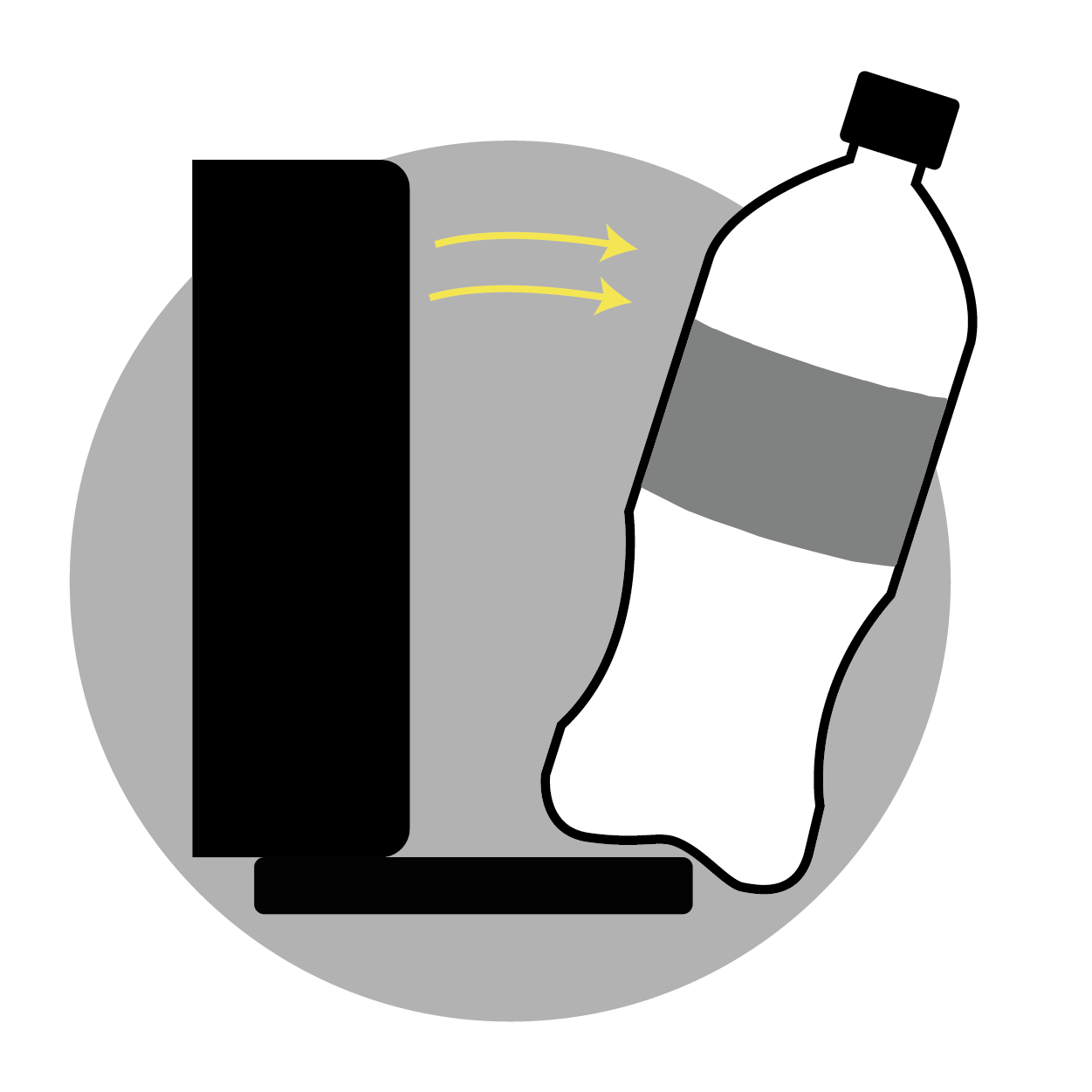
The Multistep product rejection system is perfect for cases where the products must be removed from the production line precisely, without damaging the container. Expulsion is gentle, avoiding overturning or hitting delicate products like glass containers or fragile plastics. The design of the rejection segments ensures that the container is diverted in total stable fashion, with no risk of falling or being damaged, even if the containers are full or empty.

Deviation system

The product deviation system works similarly, but instead of expelling the product from the production line, it diverts it toward a rejection area. This kind of system is especially useful when you wish to recover the defective container for later analysis or reuse, or when you wish to separate products based on quality or specification. Thanks to its ability to adapt and its advanced technology, the Multistep deviation system keeps production fluid without compromising the quality of the end product.

Using the Multistep deviation and rejection system provides several benefits for production lines:

  • Improved operative efficiency: By guaranteeing precise and gentle rejection, Multistep allows production lines to operate without interruption, improving global efficiency.
  • Reduced operating costs: Thanks to its high reliability and low maintenance, the Multistep system reduces costs associated with repairs and stopping the line.
  • Quality control optimisation: The system provides rigorous quality control in product classification, ensuring that only compliant products move to the next stage of production.
  • Greater safety: The low-friction design and use of conductor materials guarantee that the system is safe for operation in demanding settings, reducing the risk of electrostatic discharge or damage from impact.

The Multistep rejection system’s technology is essential for settings where quality and speed in production are key factors. In industries like the beverage, food, chemical, and pharmaceutical/cosmetic industries, the stable rejection or deviation system ensures that defective products are eliminated or diverted efficiently, without harming the product or the container.

Moreover, its ability to operate at high speeds without sacrificing precision, and its robust design, make it a trustworthy and long-lasting investment. Proper classification on the line is crucial to guarantee the integrity of production and reduce waste, which leads to significant savings and increased competitiveness on the market.

Other types of solutions