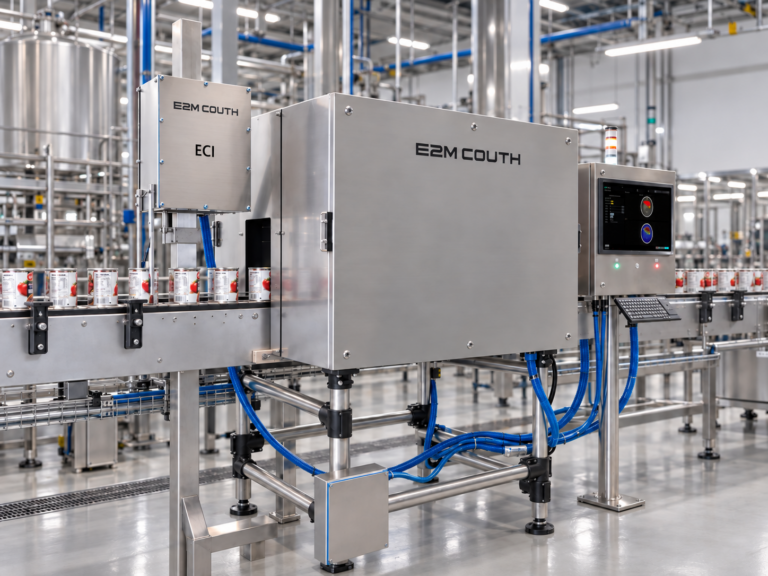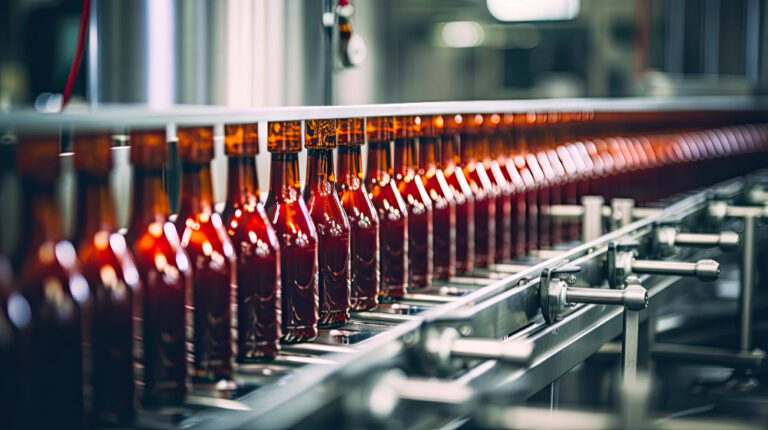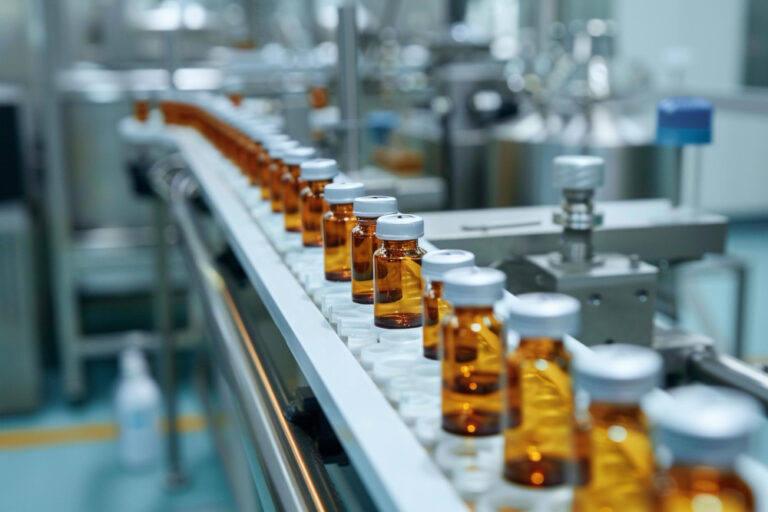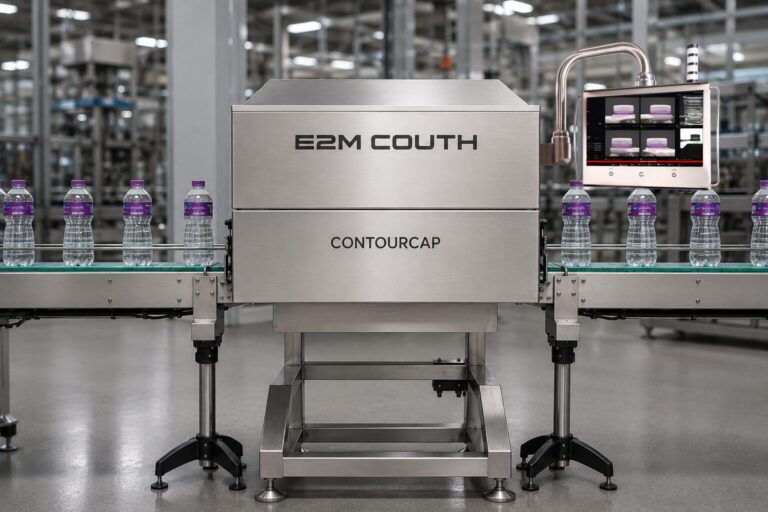

Return on Investment (ROI) is a key financial metric that measures the profitability of an investment relative to its costs, and in the context of a rejection system, it’s essential to understand the added value it brings beyond the initial expense. A rejection system, used to remove defective or non-compliant products, can significantly improve the efficiency and accuracy of production lines. Calculate ROI for such a system allows manufacturers and businesses to evaluate its economic benefits, enabling data-driven decisions on resource allocation. In this E2M COUTH post, we will tell you how to make this calculation
For companies using rejection systems, determining ROI is not just about recouping costs—it’s about assessing the long-term impact on product quality, process efficiency, and overall production output. These systems can drastically reduce waste, lower rework rates, and enhance quality assurance, which translates into higher customer satisfaction and reduced operational costs. By measuring the ROI of a rejection system, businesses can see how these improvements contribute to a more streamlined, cost-effective production process, demonstrating how the investment pays off over time.
Key Benefits of a Rejection System
These are the main benefits offered by rejection systems:
Quality control
A rejection system is a cornerstone of quality control in manufacturing, ensuring that only products meeting established quality standards reach the market. By removing defective items early in the production line, manufacturers can maintain a consistent level of quality, which is vital for meeting both regulatory standards and customer expectations. Investing in a reliable rejection system, despite the initial rejection system cost, pays off by minimizing returns and complaints, as well as safeguarding brand reputation.
Increased efficiency
Implementing a rejection system also contributes significantly to production efficiency. Unlike manual inspections, which can be time-consuming and prone to human error, an automated rejection system quickly removes non-compliant products. This streamlines the production process, reducing bottlenecks and accelerating throughput. By eliminating the need for extensive manual checks, businesses can optimize labor allocation and focus on other critical production areas. Calculating the ROI of a rejection system highlights these time and resource savings, illustrating the value added by streamlined operations.
Reduced waste
One of the major benefits of an effective rejection system is waste reduction. Accurate product rejection ensures that defective items are removed before they proceed further along the supply chain. By preventing non-compliant products from reaching subsequent stages, companies can avoid the additional costs associated with handling and reworking defective items. In this way, the ROI of a rejection system includes not only operational savings but also an environmental impact, as waste is minimized. Industrial rejection system pricing may vary, but the investment in waste reduction typically yields substantial long-term savings.
Improved brand reputation
Consistent quality assurance through a rejection system enhances brand trust and customer satisfaction. When customers receive products that consistently meet quality standards, they’re more likely to trust the brand and remain loyal. This reputation for reliability can be a powerful differentiator in competitive markets, ultimately supporting long-term business growth. Considering rejection system ROI, the benefits go beyond immediate savings—they reflect in enhanced customer loyalty and brand positioning, which can translate into higher sales and market share.
Factors that Influence ROI in Rejection Systems
These are the factors that can influence the ROI of a rejection system:
Waste Reduction
- Impact on Waste Reduction: By reducing the number of defective items, a rejection system helps lower waste, which directly contributes to long-term profitability. The fewer defective items produced, the less material is wasted, allowing companies to optimize resource use and enhance their environmental sustainability efforts. The impact of the rejection system on the defect rate is one of the main factors influencing ROI, underscoring the system’s value in achieving a leaner, more sustainable production process.

Production Efficiency
- Optimized Production Flow: A well-designed rejection system streamlines production by automatically removing defective items before they cause disruptions. This optimized production flow reduces the likelihood of slowdowns due to manual checks or rework, contributing to a smoother, more consistent manufacturing process. Over time, this efficiency translates into higher ROI as it supports faster cycle times and maximizes output.
- Consistency in Operations: Integrating a rejection system into production provides consistency, minimizing the variability that defective products introduce. This consistency not only improves overall product quality but also allows companies to meet production targets more reliably. As a result, operational consistency is a crucial factor for maximizing the ROI of a rejection system.
Reduced Downtime
- Minimized Disruptions: Automated rejection systems help reduce disruptions typically caused by manual quality inspections, preventing line stoppages and bottlenecks. By maintaining a steady workflow, production lines operate more smoothly and minimize costly downtime. The reduction in disruptions is a significant contributor to ROI, as continuous production flow means less lost time and a higher yield.
- Enhanced Equipment Utilization: With fewer interruptions for quality checks, machinery can be utilized to its full potential, reducing idle time and improving overall equipment efficiency. Enhanced equipment utilization impacts ROI positively over time by allowing companies to maximize their output without increasing operational costs.
Improved Traceability
- Data Collection and Analysis: Many modern inspection and rejection systems include traceability features, which allow manufacturers to collect detailed data on defects and pinpoint their source. This level of insight is invaluable for making data-driven decisions and identifying process improvements that reduce defect rates. Enhanced traceability thus adds value to a rejection system by supporting continuous improvement efforts and enhancing ROI.
- Informed Decision-Making: The data provided by traceable rejection systems enables companies to make strategic, informed decisions that improve future production quality and reduce defect rates. Traceability not only supports operational improvements but also gives companies a clearer picture of how to optimize their manufacturing processes over time, leading to more robust ROI in the long run.
Examples of Qualitative Improvements with Rejection Systems
Here are some examples of the best that any industry can achieve with a successful rejection system:
Enhanced Product Quality
Rejection systems play a critical role in ensuring product consistency and reliability.These systems help maintain high standards across every batch. This level of quality control not only reduces product recalls but also leads to higher customer satisfaction and trust, as customers receive products that consistently meet their expectations.
Better Compliance
Adhering to industry regulations and quality standards is essential in many sectors, such as pharmaceuticals, automotive, and electronics. A reliable rejection system enables companies to meet these stringent requirements by consistently catching and removing defective items.
This ensures that all products meet regulatory and safety standards, reducing the risk of penalties or product recalls. For instance, in the pharmaceutical industry, a rejection system can help to ensure products comply with labeling and safety guidelines. The ability to reliably meet compliance standards not only protects the business legally but also strengthens its credibility in the marketplace.
Employee Morale
A reliable rejection system also positively affects employee morale by reducing the stress associated with quality issues. When employees know that the system will catch defects early, they can focus on other critical tasks without constantly worrying about quality errors. In manufacturing environments, for instance, employees are more confident and less stressed when they can trust that defective products are being removed automatically, leading to a more positive work environment. This morale boost often translates into higher productivity and a greater sense of pride in the company’s commitment to quality.
Brand Perception
Investing in a rejection system shows a company’s dedication to quality control, which significantly improves its brand image. Customers value brands that prioritize quality and reliability, and they are more likely to remain loyal when they trust a brand’s commitment to consistent product standards. For example, a consumer electronics brand that consistently delivers reliable products thanks to a robust rejection system builds a reputation for quality that resonates with customers. Over time, this commitment to quality enhances brand perception and positions the company as a trustworthy leader in its industry.
How to calculate ROI step-by-step for a rejection system
We show you how to calculate ROI step by step:
Step 1: Measure Reduction in Defective Products
The first step to calculating ROI is to track the decrease in defective products since implementing the rejection system. Start by analyzing data before and after installation, focusing on how much the defect rate has dropped. This improvement provides a baseline for quantifying the system’s effectiveness. By understanding how fewer defective items reach customers or require rework, companies can better gauge the system’s impact on production quality and waste reduction.
Step 2: Analyze Impact on Line Productivity
Next, evaluate how much production efficiency has improved due to reduced downtime and fewer rejections. With fewer defective items interrupting the workflow, production lines can operate more smoothly and continuously, which leads to optimized equipment utilization and reduced bottlenecks. By assessing efficiency gains, such as faster cycle times or improved throughput, companies can understand how the rejection system contributes to overall productivity. This step highlights the system’s effect on operational flow and time savings.
Step 3: Estimate Improvement in Customer Satisfaction
Customer satisfaction is another key factor in calculating ROI. Companies can look at qualitative metrics like customer feedback, product returns, and overall brand reputation. Reduced defect rates often translate into higher product quality, which positively impacts customer perception and loyalty. Measuring improvements in satisfaction can provide insight into the system’s role in enhancing brand value and minimizing customer complaints or returns. Improved satisfaction can also have a lasting effect on sales and customer retention.

Factors That Influence ROI in Rejection Systems
These are the factors that can affect the ROI of rejection systems:
Importance of Long-Term Efficiency
A well-integrated rejection system offers consistency and reliability as a core component of quality assurance. As the system becomes an ongoing part of production, the ROI naturally improves because the company consistently reduces defects and maintains high-quality output. Over time, this consistency reduces waste, enhances productivity, and strengthens customer trust, making the rejection system an invaluable asset for long-term efficiency.
Adaptability to Evolving Standards
The ability of a rejection system to adapt to evolving industry standards and technological advancements is crucial. As production requirements shift, choosing a flexible rejection system ensures that the system remains relevant and capable of handling new quality benchmarks. This adaptability maintains the system’s value over time, providing ongoing ROI by aligning with future production needs and regulatory standards, rather than becoming outdated or requiring frequent upgrades.
Future-Proofing Quality Control
A high-quality rejection system should be designed to scale alongside production growth. By investing in a scalable rejection system, companies future-proof their quality control processes, securing a reliable ROI that supports both current and future needs. This long-term perspective ensures that the system remains a valuable tool as production expands, eliminating the need for costly replacements and reinforcing consistent quality control.
Get the best rejection systems at E2M COUTH
We hope that with all this information, it will now be easier for you to calculate the return on investment with reject systems in a production line. In E2M COUTH we have excellent quality reject systems, so you can implement them in your production line.
Do you want to know more about our systems for production lines? Then contact us and we can help you choose the perfect system for your production line.