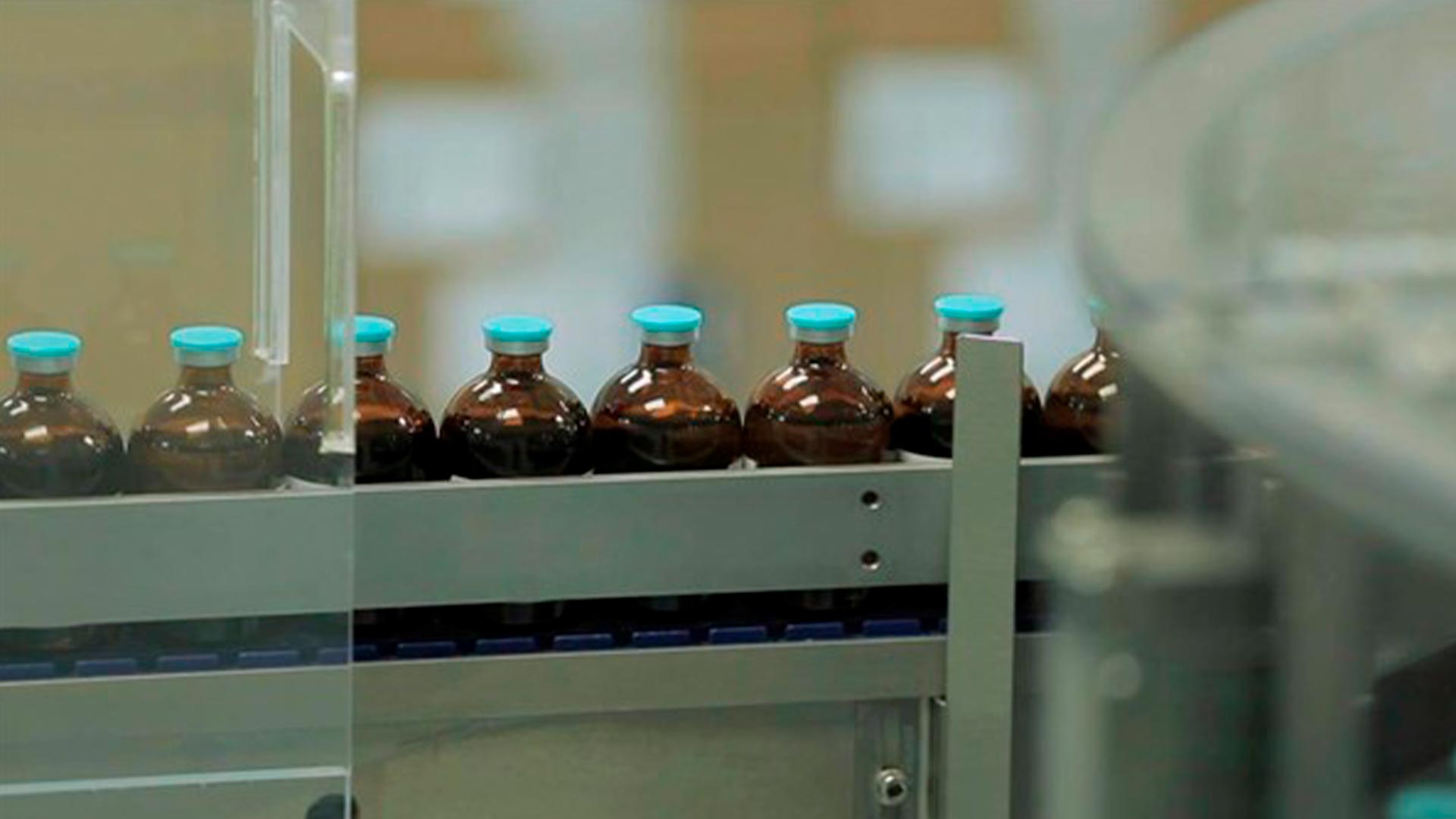
In the pharmaceutical industry, precision is paramount. The accuracy of pharmaceutical labels inspection ensures not only patient safety but also compliance with strict regulatory standards. Label errors can lead to severe consequences, including misadministration of drugs, regulatory penalties, and costly product recalls. These risks highlight the critical role of meticulous label verification in maintaining trust and safety in the supply chain.
E2M COUTH, a leader in vision systems for pharmaceutical labeling, sets the benchmark in ensuring impeccable label quality. Their advanced solutions leverage cutting-edge technology to deliver unmatched precision, reliability, and compliance. By addressing potential risks associated with labeling, E2M COUTH empowers pharmaceutical companies to focus on their primary goal: safeguarding patient health while adhering to industry regulations. This dedication to excellence underscores the importance of investing in reliable inspection systems, a step critical to the industry’s integrity and sustainability.
The importance of pharmaceutical label inspection
These are the reasons why it is important to have a label quality control system:
The need for precision in labeling
Pharmaceutical labels play a vital role in ensuring that medications are administered safely and effectively. Labels provide crucial information, such as dosage instructions, expiration dates, and regulatory compliance details. Any inaccuracies in this data can lead to severe consequences, including incorrect medication use, adverse patient outcomes, or non-compliance with regulatory requirements. Precise labeling not only safeguards patients but also protects pharmaceutical companies from legal repercussions and reputational damage. In such a highly regulated industry, maintaining the highest standards of accuracy is non-negotiable.
Risks of manual inspection
Manual inspection, once a standard in pharmaceutical labeling, is fraught with challenges. Human error is one of the most significant risks, leading to oversight in identifying defects or inaccuracies. Fatigue, distractions, and varying levels of inspector experience can compound these issues. Additionally, manual inspection is time-consuming and labor-intensive, driving up operational costs while limiting scalability. Inefficiency in the inspection process can delay production timelines and, ultimately, product delivery to the market, impacting both patients and profitability.
How automated systems address these challenges
Automated label inspection systems revolutionize the pharmaceutical labeling process. These advanced solutions use technologies like machine vision and artificial intelligence to deliver unparalleled accuracy and consistency. By automating the inspection process, companies can eliminate human error, enhance efficiency, and reduce costs. Automated systems can inspect labels at high speeds, identify discrepancies in real time, and ensure compliance with stringent industry standards. Moreover, the data collected during inspections provides valuable insights for continuous improvement, reinforcing a cycle of quality assurance.
Investing in automated pharmaceutical label inspection systems is not merely an operational upgrade but a strategic move toward achieving uncompromised safety, regulatory adherence, and operational excellence. In an industry where precision saves lives, automation is the key to staying ahead.
Overview of 360 label inspection systems
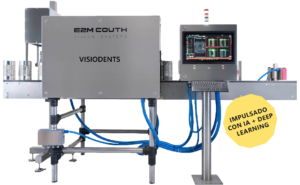
The Contourvision system by E2M COUTH is at the forefront of pharmaceutical label quality control. Designed to provide comprehensive 360° inspection, this cutting-edge technology ensures that every aspect of a label is meticulously examined. Its seamless integration with high-speed production lines enables pharmaceutical companies to maintain exceptional throughput without compromising on quality. Leveraging advanced artificial intelligence, Contourvision identifies even the most subtle defects, offering a level of precision unmatched by traditional inspection methods.
For the pharmaceutical industry, where accuracy and regulatory compliance are paramount, the Contourvision system is an ideal choice. Its ability to inspect labels in real time and detect discrepancies such as missing information, smudges, or alignment issues ensures that only flawless products reach the market. By combining speed, precision, and reliability, Contourvision empowers pharmaceutical companies to enhance operational efficiency and safeguard patient safety.
How 360° systems outperform traditional methods
Traditional label inspection methods, such as manual checks or basic visual inspection systems, often fall short in ensuring label accuracy and consistency. Manual methods are prone to human error, inefficiency, and limited scalability, while older automated systems lack the sophistication to identify complex issues. 360 label inspection systems, like Contourvision, overcome these limitations by providing a complete view of each label, regardless of its placement or orientation on the product.
These systems excel at identifying a range of defects, including:
- Misalignments: Ensuring labels are properly positioned on bottles or packaging.
- Smudges and Ink Defects: Detecting blurred or incomplete prints that could obscure critical information.
- Incorrect Prints: Catching mismatched or missing data, such as batch numbers or expiration dates.
For instance, a 360° system can detect when a label’s text overlaps due to misalignment or when an essential barcode is partially printed. Such advanced capabilities significantly reduce the risk of defective products entering the supply chain, enhancing brand reputation and regulatory compliance.
In addition to defect detection, these systems offer data-driven insights for continuous improvement. The feedback loop created by automated inspections helps manufacturers identify recurring issues and refine their production processes.
By integrating 360 label inspection systems into their operations, pharmaceutical companies gain a powerful tool to ensure label integrity, boost efficiency, and uphold the trust of regulators and patients alike.
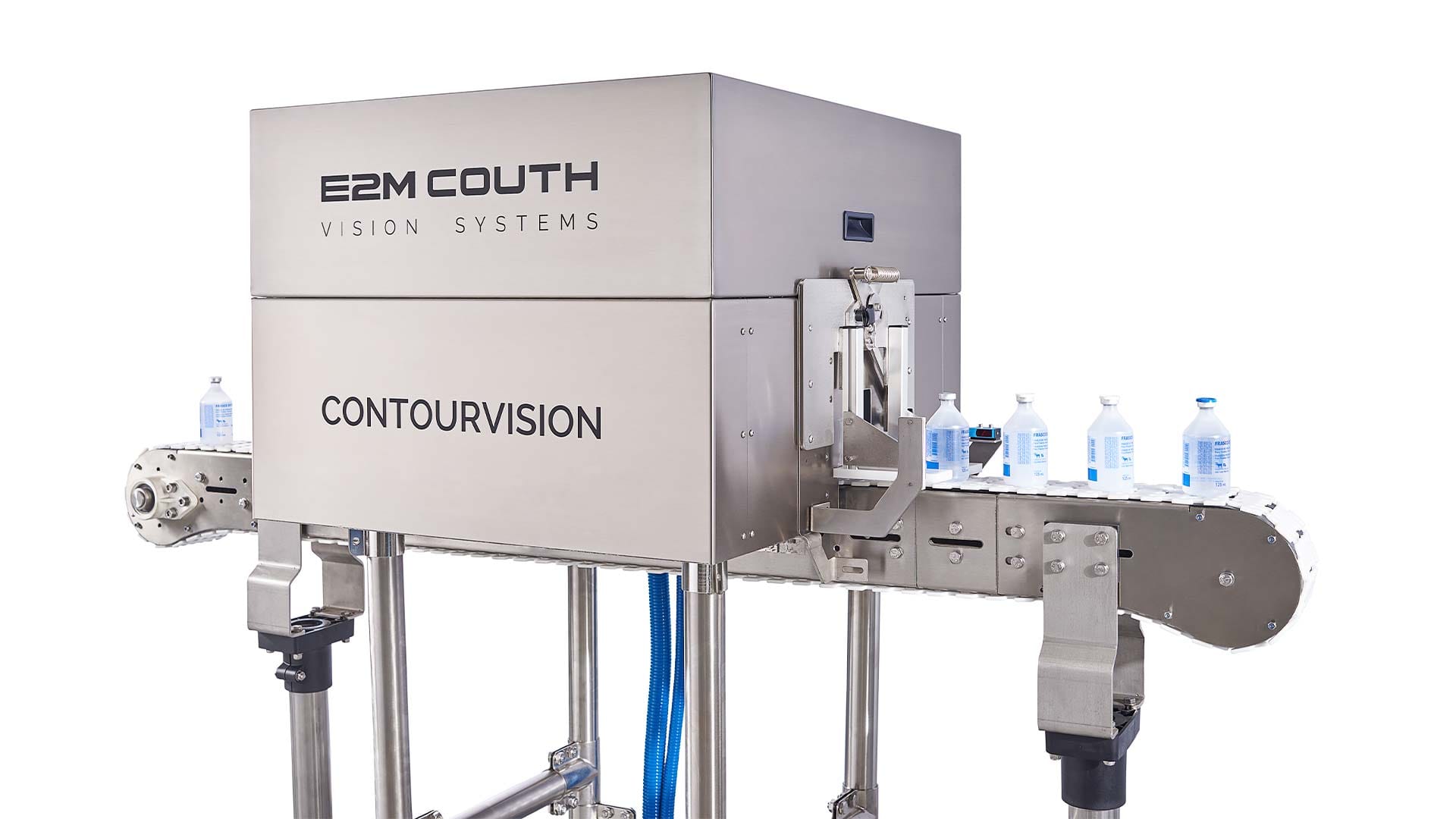
Artificial Vision in Pharmaceutical Labeling
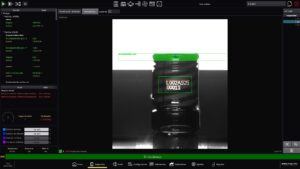
Artificial vision technology is a transformative innovation in pharmaceutical labeling, enabling unparalleled precision and efficiency. It combines high-resolution cameras and advanced AI algorithms to analyze labels in real time. These systems capture detailed images of each label and process them instantaneously to detect discrepancies such as smudges, misalignments, or missing information. Using pattern recognition, optical character recognition (OCR), and machine learning, artificial vision systems can identify defects with remarkable accuracy.
In high-speed pharmaceutical production environments, where thousands of labels are applied every hour, artificial vision technology ensures flawless inspection without slowing down the process. Its ability to adapt to diverse packaging formats and handle complex labeling requirements makes it indispensable for modern pharmaceutical manufacturing. By maintaining optimal inspection speeds, artificial vision systems help manufacturers meet tight production schedules while upholding strict quality standards.
Benefits of Artificial Vision in Labeling
The adoption of artificial vision technology in pharmaceutical labeling delivers numerous advantages over traditional methods:
1. Accuracy, Speed, and Consistency
Artificial vision systems outperform human inspection by eliminating errors caused by fatigue, distractions, or subjective judgment. They operate continuously and uniformly, ensuring every label is inspected with the same level of precision. The ability to process thousands of labels per minute ensures that production keeps pace with demand, making artificial vision a key driver of efficiency in high-volume operations.
2. Enhanced Regulatory Compliance
Pharmaceutical products must comply with stringent labeling regulations that demand the accurate presentation of critical information, such as batch numbers, expiration dates, and dosage instructions. Artificial vision systems verify this data in real time, ensuring that labels meet regulatory standards before products are distributed. This capability reduces the risk of penalties, recalls, or damage to brand reputation.
3. Cost Savings and Operational Efficiency
By automating the inspection process, manufacturers can reduce labor costs and minimize waste caused by defective products. Artificial vision systems also provide detailed reports on detected errors, enabling process improvements and reducing future defects.
4. Data-Driven Quality Assurance
The data collected during inspections allows manufacturers to identify patterns and trends in label defects, enabling proactive measures to address recurring issues. This data-driven approach supports continuous quality improvement and strengthens overall production reliability.
Pharmaceutical Label Rejection Systems
In pharmaceutical manufacturing, label rejection systems are integral to maintaining high standards of quality and compliance. These systems are designed to automatically remove defective products from the production line, ensuring that only those meeting strict quality criteria proceed to distribution. By identifying and eliminating errors such as smudged prints, misaligned labels, or missing information, rejection systems prevent faulty products from reaching patients or regulators.
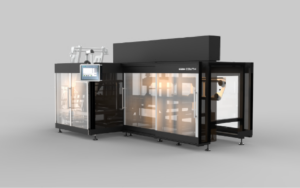
Multistep system exemplifies this commitment to quality assurance. As an advanced pharmaceutical label rejection system, Multistep is engineered to seamlessly discard defective items in real time. It works in tandem with inspection technologies to provide an efficient safety net, safeguarding brand reputation and patient trust while ensuring compliance with regulatory standards.
Features of E2M COUTH’s rejection systems
E2M COUTH offers state-of-the-art rejection systems designed to integrate seamlessly with their vision systems, creating a cohesive and efficient inspection workflow. These systems utilize cutting-edge sensors and actuators to detect and remove non-compliant products with precision, maintaining the integrity of the production line without interruptions.
Key features of E2M COUTH’s pharmaceutical label rejection systems include:
1. Integration with vision systems
E2M COUTH’s rejection systems are fully integrated with their vision inspection technologies, such as the Contourvision system. This integration ensures that defective products are accurately identified and removed based on detailed inspection data. The result is a streamlined process that minimizes delays and maintains production efficiency.
2. Reduced waste
By detecting errors early in the production process, E2M COUTH’s systems prevent large quantities of defective products from being produced or distributed. This reduction in waste not only lowers costs but also supports sustainable manufacturing practices.
3. Improved throughput
The automatic removal of defective items allows production to continue without manual intervention, maintaining high throughput rates. Manufacturers can meet demanding schedules without compromising quality, ensuring that products are delivered on time and to specification.
4. Prevention of errors reaching the market
By eliminating defective products from the supply chain, E2M COUTH’s rejection systems help protect patient safety and prevent costly recalls. This proactive approach enhances regulatory compliance and preserves consumer confidence.
Benefits of automated label inspection with E2M COUTH systems
E2M COUTH’s automated label inspection systems are a cornerstone of modern pharmaceutical manufacturing, offering unmatched advantages that ensure quality, efficiency, and compliance.
Enhanced precision and accuracy
Automated label inspection systems from E2M COUTH leverage advanced technologies like machine vision to deliver unparalleled accuracy. These systems identify even the most subtle defects—such as smudges, misalignments, or incomplete prints—that manual inspections often miss. With 360° inspection capabilities, they ensure that every aspect of a label meets stringent quality standards, enhancing product integrity and patient safety.
Reduced operational costs and higher productivity
Automation streamlines the inspection process, reducing the need for manual labor and minimizing human error. This efficiency leads to significant cost savings while enabling pharmaceutical companies to maintain high throughput rates. E2M COUTH’s systems operate seamlessly with high-speed production lines, ensuring that quality checks keep pace with demanding schedules without compromising precision. By reducing downtime and operational inefficiencies, these systems drive overall productivity.
Compliance with stringent pharmaceutical regulations
Pharmaceutical labeling is subject to rigorous regulations to ensure patient safety and product traceability. E2M COUTH’s automated systems are designed to meet these standards by verifying that labels are accurate and compliant. From batch numbers and expiration dates to dosage instructions, these systems ensure that critical information is consistently correct. Compliance with global regulatory frameworks helps manufacturers avoid penalties, recalls, and reputational damage.

Long-Term ROI and minimized risk of recalls
Investing in automated label inspection systems provides a strong return on investment over time. By eliminating defective products early in the production process, these systems reduce waste and the likelihood of costly recalls. They also provide valuable data for continuous improvement, enabling manufacturers to refine processes and enhance overall quality assurance.
In the pharmaceutical industry, where precision and compliance are non-negotiable, E2M COUTH’s automated label inspection systems deliver unparalleled value. By enhancing accuracy, reducing costs, and ensuring regulatory adherence, these systems empower companies to achieve operational excellence and safeguard the trust of patients and regulators alike.
Why choose E2M COUTH for automated pharmaceutical label inspection?
In the pharmaceutical industry, precision and compliance are critical to ensure patient safety and maintaining regulatory standards. Automated label inspection systems play a vital role in achieving these goals by delivering unparalleled accuracy, reducing operational costs, and minimizing the risk of errors that can lead to costly recalls. These systems not only enhance efficiency but also provide manufacturers with the confidence to meet stringent quality demands in a fast-paced industry.
E2M COUTH stands at the forefront of vision inspection technology, offering innovative solutions like the Contourvision system to revolutionize pharmaceutical labeling. With a commitment to precision, reliability, and compliance, E2M COUTH has become a trusted partner for manufacturers seeking excellence in label quality control.
To safeguard your products and reputation, explore E2M COUTH’s state-of-the-art automated label inspection systems. Contact us today to learn how we can support your pharmaceutical labeling needs with cutting-edge technology and expertise.