
Quality inspection systems are crucial for ensuring that every product leaving the plant meets the correct specifications. At E2M COUTH , we specialize in product inspection systems that guarantee the highest quality standards. This post explores various inspection systems for manufacturing and highlights their benefits, ensuring reliable quality control in any industry.
What is a quality inspection system?
A product inspection system for quality control is a set of tools designed to examine and assess products and manufacturing processes within an industry. The primary goal of these inspection systems for manufacturing is to ensure that all products consistently meet established quality and safety standards while optimizing efficiency in production.
As we will explore further, quality inspection systems can employ various methods to achieve their objectives, including visual inspection, dimensional measurement, and more. These inspection systems may function manually or in an automated manner, integrating seamlessly at different production stages to maintain high-quality output.
By utilizing advanced inspection systems for manufacturing, companies achieve a consistent quality guarantee for each product and process, ensuring compliance with all applicable industry standards and regulations.
Discover the different types of inspection systems for quality control
Within inspection systems for manufacturing, there are various tools designed to measure and assess different aspects of products that come from an industrial production line. Each product inspection system plays a crucial role in ensuring quality and compliance. Below, we explore some of the most noteworthy types of quality inspection systems.
Vision inspection systems
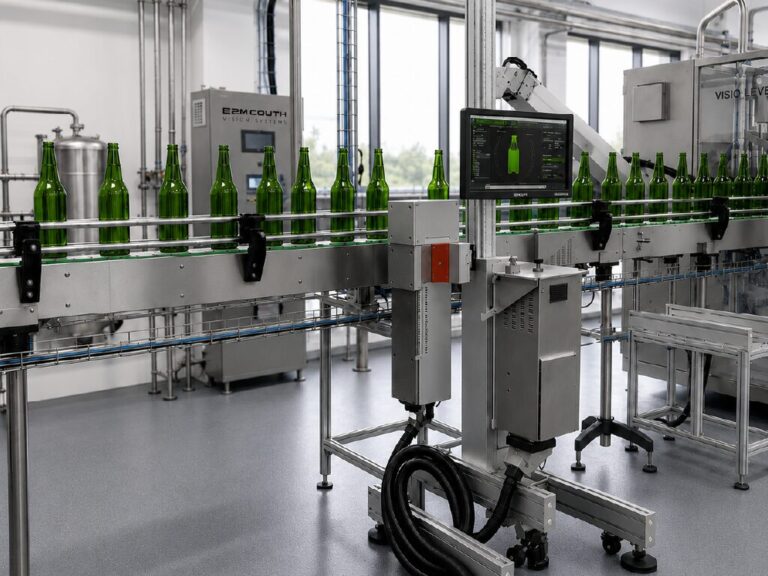
One of the most widely used inspection systems for quality control is the vision inspection system. This type of inspection system detects defects or anomalies through observation. While a worker can manually conduct this inspection, an automated vision inspection system, equipped with cameras, sensors, and specialized software, provides more accurate and efficient detection of any flaws or irregularities in the product.
Dimensional inspection systems
Another essential inspection system for quality control is the dimensional inspection system, which ensures that products leaving the production plant meet precise size and shape specifications. These quality inspection systems verify dimensional accuracy using advanced measurement devices such as calipers, micrometers, and coordinate measurement sensors, guaranteeing compliance with required standards.
Radio frequency inspection systems
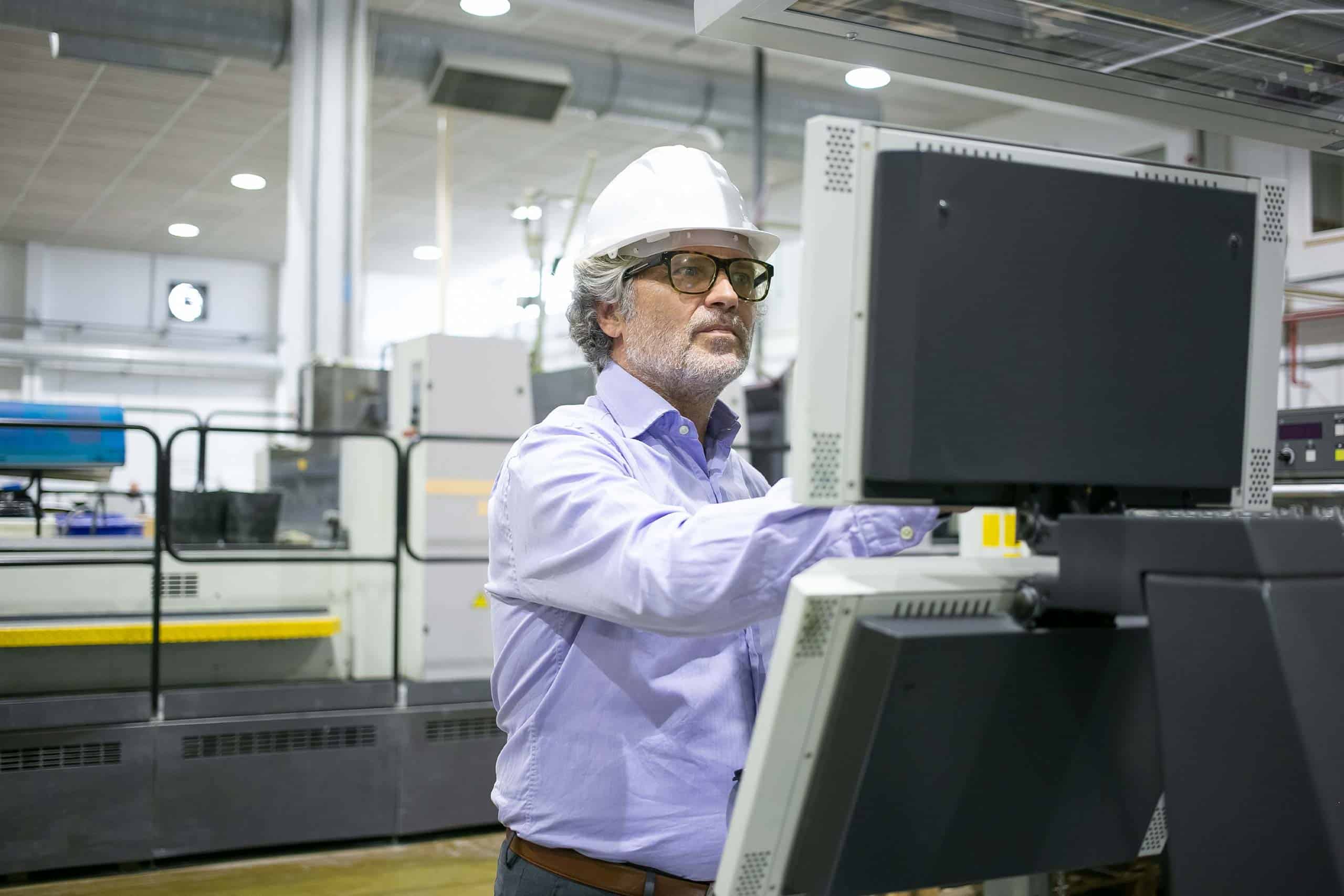
Different industries produce a wide range of products, each requiring specialized inspection systems for manufacturing. One advanced product inspection system utilizes radio frequency to assess the integrity of opaque materials such as plastic or metal. This inspection system detects internal or structural defects, making it ideal for inspecting welds, machine components, electronic parts, and other industrial products.
Ultrasound inspection systems
Quality control Inspection systems also include ultrasound inspection systems, which use high-frequency sound waves to detect defects. This inspection system emits sound waves that reflect off the object, and the returning signals are recorded to identify any internal issues. These quality inspection systems are widely used for non-destructive testing in industries where precision is critical.
Tomography inspection systems
Another advanced quality control inspection system is tomography inspection, which generates three-dimensional images of products to detect defects or irregularities. These product inspection systems are particularly effective for inspecting complex industrial products, such as machine components, electronic parts, and other high-precision items.
Sampling inspection systems
Different inspection systems for manufacturing are used across industries, one of which is sampling inspection. This quality inspection system involves selecting a random sample from a production batch to determine whether it meets established quality requirements. If the sample passes the inspection, the entire batch is considered compliant with industry standards.
Variable inspection systems
Among inspection systems for quality control, variable inspection systems focus on measuring specific product characteristics, such as height, diameter, or weight. Instead of a simple pass/fail evaluation, this inspection system assesses variations in a product’s attributes, ensuring compliance with exact specifications.
Thermal chamber inspection systems
This quality inspection system is crucial for products that must meet strict temperature-related requirements. Thermal chamber inspection systems detect heat leaks that may indicate insulation failures or electrical connection issues. These product inspection systems capture temperature variations on an object’s surface, displaying differences in color-coded thermal images.
Laser inspection systems
Another highly precise inspection system for quality control is laser inspection. These inspection systems measure the exact dimensions of objects and are commonly used in industries that manufacture electronic and mechanical components. This quality inspection system operates by reflecting a laser beam off an object to measure the distance between the object and the sensor with high precision.
Destructive test inspection systems
In the industrial sector, various inspection systems for quality control are used to ensure product durability. One of these is destructive test inspection, which assesses a product’s resistance by subjecting it to extreme conditions until it fails. Though this inspection system is costly and time-consuming, it is essential for industries requiring the highest quality standards.
Fluorescent inspection systems
Fluorescent inspection systems are used to detect the presence of specific chemical elements in a product. This inspection system applies a fluorescence agent to an object and then exposes it to ultraviolet light. If fluorescence appears in particular areas, it indicates the presence of potentially harmful substances.

Why use inspection systems for quality control at an industrial level?
Using inspection systems for quality control is practically mandatory for any kind of industry, because it means companies can guarantee consistency, efficiency, and reliability for the products or services they offer. By using these systems, it will be easier to detect all kinds of problems and correct them before they reach the customer’s hands. This reduces the likelihood of complaints, returns, and costs associated with these issues.
These systems will also help you as a company to comply with the different quality, security, and environmental standards and regulations applicable within your company’s sector. This may include industry-specific standards, as well as governmental regulations that must be complied with to guarantee customer safety and satisfaction.
They are also essential to improving the efficiency and productivity of a company, reducing the time and resources necessary to identify and correct all kinds of issues in production. This translates to greater profitability and competitiveness for the company.
How a quality system enhances productivity in factories
A quality inspection system plays a pivotal role in streamlining factory operations, going beyond merely identifying defects. By integrating these systems into manufacturing processes, businesses gain valuable insights into production performance, enabling them to pinpoint inefficiencies and make data-driven improvements.
Automated inspection technologies offer real-time feedback on product quality, allowing manufacturers to quickly address issues and minimize production downtime. This immediate response capability not only reduces waste and rework but also supports consistent product standards. Over time, these systems help factories maintain a higher level of efficiency, as they continually refine processes based on reliable inspection data.
The long-term impact is substantial. Factories equipped with robust quality inspection systems experience lower operational costs, improved resource utilization, and enhanced overall productivity. By ensuring products meet quality standards from the outset, manufacturers can deliver superior goods to market faster, boosting customer satisfaction and fostering a more competitive edge in the industry.
The Benefits of Implementing an Inspection system for quality control
In any industry, utilizing inspection systems for manufacturing provides a wide range of benefits. These quality inspection systems ensure that production meets the highest standards, leading to efficiency, cost reduction, and overall improvement in product quality.
Improved product quality
With product inspection systems, manufacturers can detect defects and flaws in real time during production. This proactive approach allows for immediate corrections, ensuring that the final product meets all quality inspection system requirements and industry standards.
Reduced costs
By using inspection systems for quality control, early detection of manufacturing issues minimizes costly repairs and rework. Additionally, these inspection systems help pinpoint the root cause of defects, preventing future errors and reducing expenses associated with product flaws.
Increased efficiency
Automated inspection systems for manufacturing significantly enhance production speed compared to manual inspections. By integrating quality inspection systems, companies can streamline operations, reduce dependence on manual labor, and improve overall productivity.
Quality standard compliance
One of the most critical benefits of quality inspection systems is ensuring compliance with industry standards. By implementing a product inspection system, companies can guarantee that every unit produced meets required regulations, enhancing brand reputation and increasing customer satisfaction.
Improved safety
As discussed, inspection systems for quality control identify potential safety hazards before products reach consumers. This helps minimize risks associated with defective goods, protecting both end users and the company’s liability.
Access to statistical insights
Another key advantage of inspection systems for manufacturing is their ability to collect valuable data throughout the production process. At E2M COUTH, we understand that every factory operates differently and that each product has unique variables. With product inspection systems, manufacturers can analyze statistical data to optimize processes and enhance product quality.
The connection between inspection systems and regulatory compliance
In today’s regulated industrial landscape, maintaining compliance is a fundamental requirement for long-term success. Quality inspection systems provide a robust means to meet stringent regulatory standards, protecting businesses from potential fines, recalls, and reputational damage.
By integrating inspection systems into manufacturing workflows, companies ensure that every product is thoroughly checked for adherence to government regulations and industry-specific guidelines. This process not only reduces the likelihood of defective products reaching the market but also demonstrates a commitment to quality and safety.
Moreover, these systems enhance traceability. With comprehensive inspection records, manufacturers can quickly verify compliance during audits and investigations. This transparency helps maintain good standing with regulatory bodies, fosters trust with customers, and supports brand integrity. In highly regulated sectors like pharmaceuticals, food production, and automotive manufacturing, reliable inspection systems are indispensable tools for navigating complex compliance landscapes and maintaining a competitive edge.
Why use an inspection system for quality control at an industrial level?
Implementing an inspection system for quality control is essential for any industry. Inspection systems for manufacturing ensure consistency, efficiency, and reliability in the production of goods and services. By integrating product inspection systems, companies can detect defects early and correct them before products reach customers, reducing complaints, returns, and costly rework.
A quality inspection system also helps businesses comply with industry-specific standards and governmental regulations related to quality, safety, and environmental protection. These inspection systems for quality control ensure that all production meets the necessary requirements, guaranteeing customer safety and satisfaction.
Furthermore, inspection systems for manufacturing play a crucial role in enhancing operational efficiency and productivity. By reducing the time and resources needed to identify and fix defects, companies can improve profitability and maintain a competitive edge in the market.
Automated vs. Manual inspection systems: Which one is better?
Choosing the right inspection approach involves evaluating the unique demands of the manufacturing environment. Automated inspection systems have become the go-to choice for high-volume production lines due to their ability to deliver consistent, accurate results at high speed. By leveraging technologies like advanced sensors, machine vision, and AI, automated systems excel at identifying minute defects that might go unnoticed by the human eye. They also operate continuously, reducing bottlenecks and driving efficiency gains.
Manual inspection, while slower and more prone to variability, still holds an edge in certain situations. For highly intricate products or tasks requiring nuanced judgment, human expertise remains invaluable. Trained inspectors can identify subtle aesthetic flaws, evaluate complex assemblies, and make decisions that automated systems might struggle to handle without extensive programming.
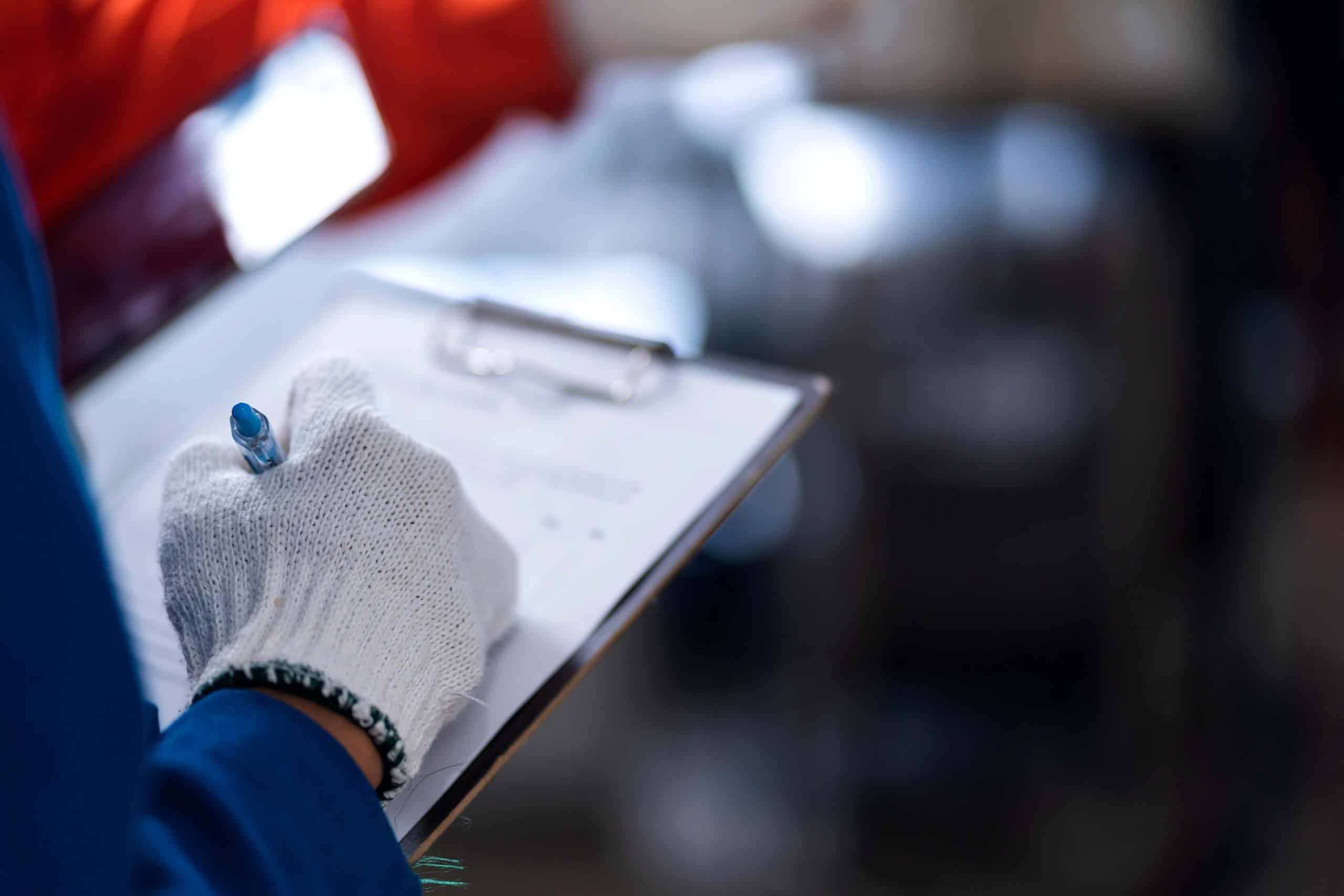
Many manufacturers find that a hybrid model offers the most effective solution. By combining the speed and consistency of automated inspections with the critical thinking and adaptability of manual processes, businesses can achieve superior quality control. This approach allows for the automation of routine checks while retaining human oversight for specialized tasks, ultimately improving both productivity and product quality.
Find the best quality inspection systems for manufacturing at E2M COUTH
As highlighted throughout this post, inspection systems for manufacturing are essential to ensuring the highest levels of quality and efficiency in production. By implementing a quality inspection system, companies can minimize defects, improve product reliability, and reduce costs associated with production flaws.
At E2M COUTH, we offer a comprehensive range of product inspection systems designed to meet the specific needs of various industries. Our catalogue includes inspection systems with orientation technology, advanced sensors for defect detection, and marking systems to ensure full traceability when products reach the market.
If you have any questions or need further details about our inspection systems for manufacturing, feel free to contact us. Our team will be delighted to help you select the best quality inspection system for your company’s needs.