
Machine vision systems for glass bottles are an indispensable tool for inspection and quality control in industrial production. Thanks to their advanced technology, it is possible to detect defects accurately, improve efficiency and reduce the costs associated with human error. For this reason, implementing an automated system can ensure that products meet optimal quality standards, thus increasing competitiveness in the market. At E2M COUTH we have prepared this post with everything you need to know about how these systems can revolutionise quality control on production lines.
What are machine vision inspection systems?
Machine vision systems for glass bottles are advanced technologies that automate the inspection of glass bottles during the production process. These systems make use of high-resolution cameras, specialised sensors and intelligent software to analyse each bottle in real time, thus detecting any defect or anomaly that may affect the quality of the final product.
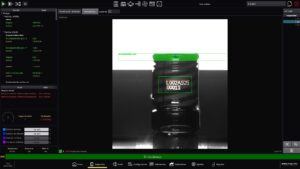
The operation of these systems is based on capturing detailed images of the bottles as they pass through the production line. Strategically placed cameras can obtain different angles and perspectives, while sensors collect additional data on product characteristics such as transparency, shape and size. Machine vision software then processes these images using artificial intelligence and machine learning algorithms, quickly identifying imperfections such as cracks, bubbles, stains or deformations.
This automation eliminates the need for manual inspection, which is often slow, subjective and error-prone. In addition, the speed and accuracy of these systems enables production lines to maintain high quality standards without affecting manufacturing speed.
The most common technologies employed in these systems include high-definition CCD or CMOS cameras, LED lighting to enhance contrast, and image processing systems that make use of advanced techniques such as 3D vision or pattern recognition. Thanks to this technological combination, it is possible to ensure that only bottles that comply with the established parameters continue in the process, while defective ones are automatically rejected.
Benefits of automatic glass bottle inspection
Automatic glass bottle inspection has numerous advantages that can improve quality control for glass bottles and enhance industrial production:
- Speed of detection: Automatic systems inspect each bottle in real time, thus maintaining line speed without interruptions or costly delays.
- High accuracy: Thanks to advanced cameras and software, they are able to detect minute defects such as micro-cracks, bubbles or stains, ensuring a higher level of quality that manual inspection cannot always guarantee.
- Cost reduction: Reducing losses due to human error and avoiding unnecessary rejection of good bottles, as well as reducing expenses related to rework, claims and waste.
- Improved brand image: By ensuring defect-free products, customer confidence and the company’s reputation in the marketplace is strengthened.
- Regulatory compliance: These systems facilitate adherence to quality and safety standards, essential for national and international marketing.
- Automatic and efficient rejection: Defective bottles are eliminated in real time, thus improving the production chain and ensuring that only compliant bottles continue in the process.
Implementing these systems in your production line not only improves efficiency and quality, but also represents a strategic investment that reduces costs and protects the industrial image. Together, these benefits make automated inspection a must-have solution for the glass industry.
Key inspection components: orientation, caps and filling
Here are the most important components in glass bottle inspection:
Glass bottle orientation
Orientation of glass bottles is a very important process in automated inspection. The system checks that each bottle is correctly positioned to ensure an accurate and efficient inspection. Correct orientation allows the cameras and sensors to capture optimal images from all angles, making it easier to detect defects on the surface or inside.
In addition, correct orientation ensures that bottles are seamlessly integrated into the next stages of production, improving traceability and avoiding errors that could affect the final quality of the product.
Cap inspection
Cap inspection is crucial to ensure that each bottle is completely sealed and free of defects that compromise the tightness and safety of the product. Machine vision systems can detect irregularities such as misplaced caps, damage, contamination or lack of seal. This control prevents leakage and ensures that the product maintains its properties during its shelf life. It also ensures regulatory compliance and protects brand image, as a faulty closure could lead to complaints and financial losses.
Filling inspection
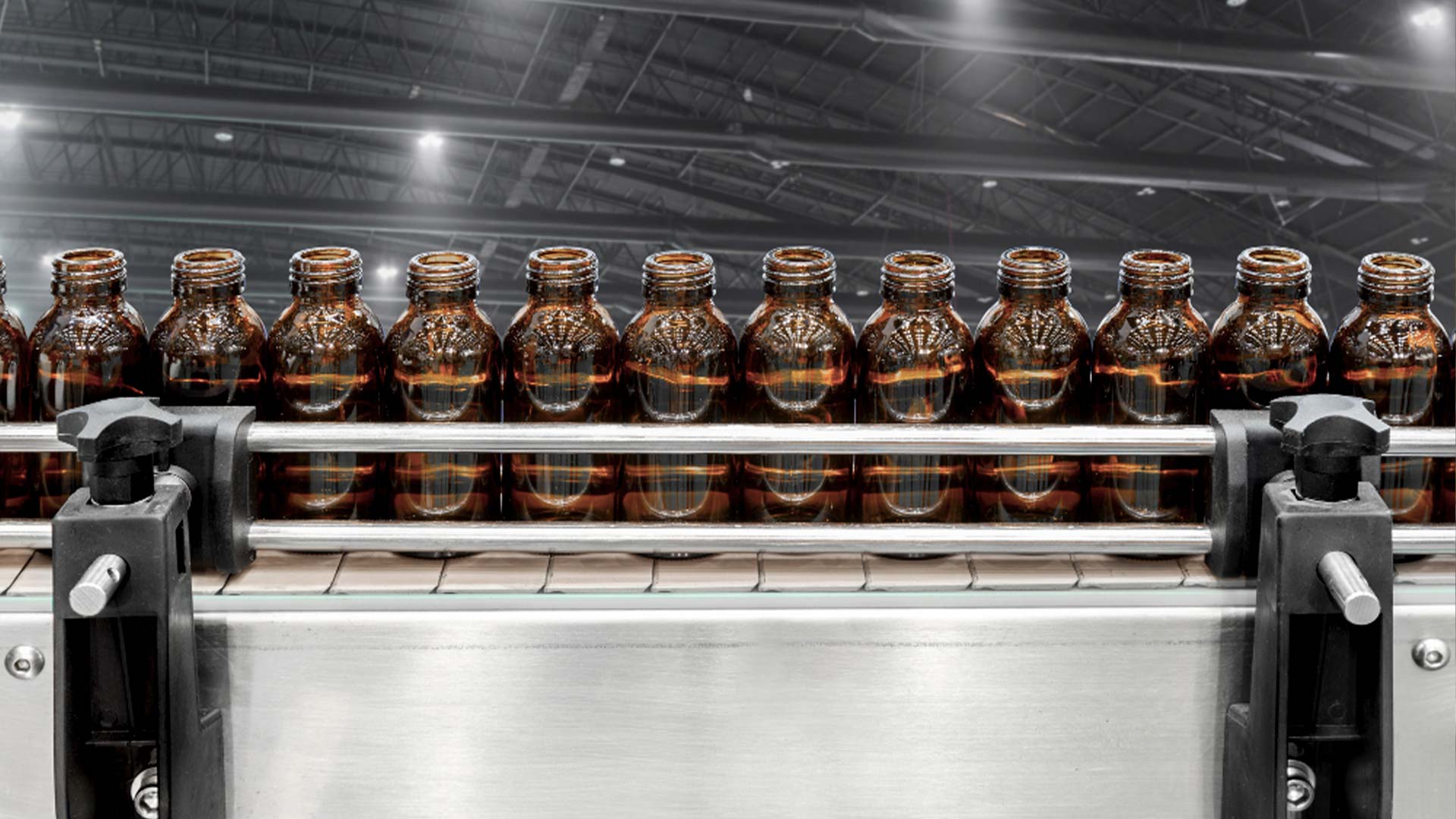
The fill inspection fully checks that the liquid level in each bottle complies with the established quality standards, thus avoiding underfilled or overfilled products. This stage is carried out with the use of precision sensors that analyse volume and uniformity, ensuring that all units deliver the correct quantity.
Maintaining rigorous quality control at this stage not only improves final quality, but also improves overall raw material usage and minimises waste, which has a direct impact on profitability and customer satisfaction.
Application examples in different types of beverages and glass bottle products
Machine vision systems for glass bottles are used with a high level of success in different industries, ensuring rigorous quality control for glass bottles adapted to the particularities of each product.
In the wine industry, the inspection of glass bottles is a key point to ensure that each bottle meets aesthetic and functional standards. These systems detect defects in the glass, possible errors in the label and ensure correct orientation and sealing, key aspects to preserve the quality and image of the product.
In the oil sector, the automated inspection checks the purity of the container, thus detecting external contamination and ensuring that the caps are correctly positioned to avoid possible leaks. In addition, it checks the fill level, as an accurate volume is important for marketing and compliance with quality regulations.
The beer industry also benefits from these systems to maintain uniformity in production. Bottles are inspected for cracks, internal bubbles or defective caps that may affect the preservation and safety of the product, thus ensuring that the consumer receives a product that is in perfect condition.
In the case of liquid preserves and other products packaged in glass bottles and jars, automated inspection is very important to control the integrity of the packaging and the correct amount of product. This control can prevent financial losses due to returns and enhances consumer confidence.
In addition, other sectors such as pharmaceuticals and spirits also use these systems to ensure traceability and meet stringent quality and safety standards. In all these cases, having machine vision systems for glass bottles not only improves the production process, but also contributes to a more efficient and reliable quality control, adapted to the specific requirements of each industry.
How at E2M COUTH we implement machine vision systems for glass bottles
Here is the process by which at E2M COUTH we implement artificial vision systems:
Advanced technology and strategic partners
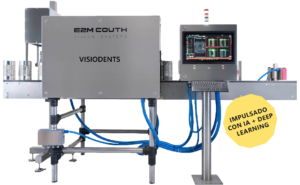
At E2M COUTH we are a benchmark in the integration of artificial vision systems for glass bottles. Our solutions integrate high-resolution cameras, advanced sensors and intelligent software that allows the accurate detection of defects and the rejection of glass bottles in real time, thus improving glass bottle quality control and production efficiency.
Personalised service and continuous technical support
Beyond technology, at E2M COUTH we offer a personalised service, adapting each project to the specific needs of the client. Its team of experts carries out an exhaustive analysis of the production lines to guarantee the correct integration of the system, improving the accuracy in the detection of anomalies and ensuring the traceability of each bottle inspected. In addition, it offers constant technical support to maintain operability and resolve any problems quickly.
Continuous improvement philosophy
Continuous improvement is a key point in the value proposition we provide at E2M COUTH. Through constant technological upgrades and adaptations, all our systems evolve to meet new challenges and maintain the industrial competitiveness of each of our customers. This can be translated into constant cost reduction and a more reliable and safe production process.
Common challenges in glass bottle inspection and how to overcome them
Glass bottle inspection has different technical challenges due to the nature of the material and the variety of products. One of the main challenges is the variability in bottle shapes and sizes, which makes uniformity in defect detection and adjustment of systems for each production line more complicated.
Another key challenge is glass reflections, which can cause false readings or make it difficult to accurately identify imperfections. Transparent, shiny glass requires special lighting and calibration for the cameras and sensors to capture clear, undistorted images.
Finding the subtlest defects, such as micro-cracks or small bubbles, is also a thorough job, as these can go undetected in manual inspections or less advanced systems. In addition, the high speed of production requires machine vision systems to work quickly, without sacrificing accuracy, which is a difficult balance to strike.
At E2M COUTH we have addressed all these challenges by implementing advanced and adaptable technology. Its machine vision systems for glass bottles feature intelligent algorithms that can automatically adjust to different formats and lighting conditions, minimising errors caused by reflections or variations in the product.
In addition, its software employs machine learning techniques for continuous improvement in detecting subtle defects, ensuring rigorous and consistent quality control for glass bottles. The ability to operate at high speeds without loss of efficiency ensures real-time rejection of defective glass bottles, optimising productivity.
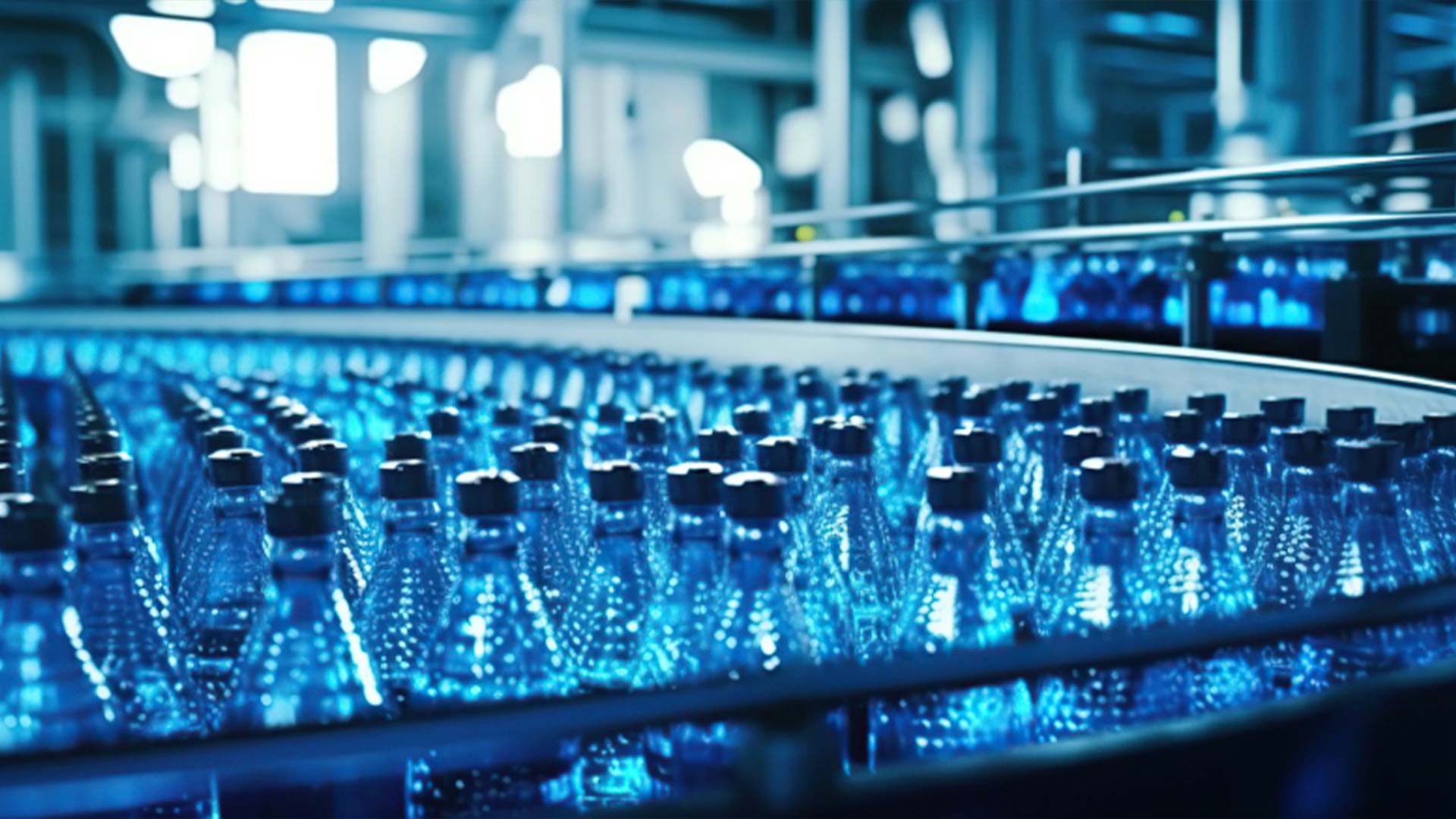
E2M COUTH, your partner in machine vision systems for glass bottles
Machine vision systems for glass bottles are the most important solution for improving the inspection of glass bottles and guaranteeing rigorous quality control of glass bottles. With E2M COUTH, industrial companies can count on advanced technology, personalised support and a great commitment to the continuous improvement of their production processes.
Having these solutions will allow you to detect defects with high precision, speed up production and reduce costs associated with defective products, improving the image and competitiveness of your brand.
Don’t wait any longer to take your production line to the next level. Contact us if you need to know more about our products and artificial vision systems for glass bottles, and we will give you the best advice.