
In the rapidly evolving landscape of modern manufacturing, machine vision systems have become indispensable tools. These machine vision systems enhance precision, improve efficiency, and ensure the highest standards of quality control. By automating inspection and monitoring processes, machine vision systems reduce human error, increase production speed, and contribute significantly to the overall optimization of manufacturing operations.
E2M COUTH stands at the forefront of this technological advancement, providing cutting-edge machine vision solutions tailored to meet the diverse needs of the manufacturing industry. Their expertise in developing and integrating advanced vision systems helps manufacturers achieve unparalleled levels of accuracy and productivity.
This post aims to delve into the fundamentals of machine vision systems, explore their operational mechanisms, and showcase the various types of machine vision solutions offered by E2M COUTH.
What is a machine vision system?
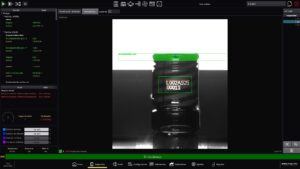
A machine vision system is a technology designed to provide imaging-based automatic inspection and analysis for various applications such as process control, and robot guidance. These systems use digital sensors and cameras with specialized optics to capture images and analyze them using image processing software.
Core components of Machine Vision Systems
These are the main components of machine vision systems:
- Cameras: Cameras are the eyes of the machine vision system. They capture high-resolution images or videos of the objects or scenes being inspected. Depending on the application, these cameras can be monochrome or color and may feature various resolutions and frame rates to suit different inspection requirements.
- Lighting: Proper lighting is crucial for highlighting the features of the objects being inspected. It ensures that the cameras capture clear and consistent images. Different lighting techniques, such as backlighting, ring lighting, and structured lighting, are used based on the specific needs of the inspection task.
- Processors: The processor is the brain of the machine vision system. It runs the image processing algorithms that analyze the captured images. These processors can be standalone units or integrated into the camera itself (smart cameras). They perform tasks such as edge detection, pattern recognition, and measurements to interpret the visual data.
- Software: Machine vision software provides the necessary tools and algorithms necessary for image analysis. It translates the visual data into actionable information. The software can be configured to detect defects, measure dimensions, read barcodes, and more. It also allows for the customization of inspection parameters to meet specific application requirements.
The role of artificial intelligence and machine learning
Artificial intelligence (AI) and machine learning (ML) are pivotal in enhancing the capabilities of machine vision systems. These technologies enable systems to improve over time by learning from data and experiences. Here’s how AI and ML contribute at each step:
- Image acquisition: AI systems can optimize camera settings and lighting conditions in real-time to adapt to varying environments, ensuring consistently high-quality images.
- Image processing: Machine learning algorithms can be used to develop more accurate image processing techniques, such as advanced object detection and classification methods that improve the reliability of the analysis.
- Decision making: AI models can analyze complex patterns in the data, making more accurate and nuanced decisions. For instance, deep learning models can be trained to identify subtle defects that traditional methods might miss.
- Action: AI can optimize the actions taken by the mechanical components, improving the efficiency and accuracy of tasks like sorting and assembly. For example, reinforcement learning algorithms can be used to teach robotic arms the most efficient way to pick and place items.
How do machine vision systems work?
We explain step by step how machine vision systems work:
Image Acquisition: Capturing High-Quality Images Using Cameras and Lighting
The first step in a machine vision system is capturing images of the objects or scenes to be analyzed. This involves the use of high-resolution cameras and proper lighting to ensure that the images are clear and detailed.
For example, in a manufacturing line for electronic components, high-resolution cameras take images of each component passing by. Adequate lighting is crucial to avoid shadows and ensure that the details of each component are visible.
Image Processing: Analyzing Images with Software Algorithms
Once the images are captured, they are processed using sophisticated software algorithms. These algorithms analyze the images to extract relevant information, such as shapes, colors, sizes, and defects. This step often involves pre-processing tasks like noise reduction, contrast enhancement, and edge detection.
In quality control of a food production line, image processing software can detect imperfections that could damage the final product by analyzing the images taken by the cameras.
Decision Making: Using Processed Data to Make Real-Time Decisions
The processed data is then used to make decisions in real-time. Machine learning and artificial intelligence play a significant role in this step by enabling the system to learn from data, recognize patterns, and make accurate decisions based on the analysis.
In a packaging line, machine learning algorithms can be trained to recognize correctly assembled products and distinguish them from defective ones. If a defect is detected, the system decides to reject that item from the production line.
Action: Implementing Decisions Through Mechanical Actions
The final step involves implementing the decisions made by the system through mechanical actions. This could include sorting items, rejecting defective products, or guiding robotic arms to perform specific tasks.
Machine Vision Systems at E2M COUTH
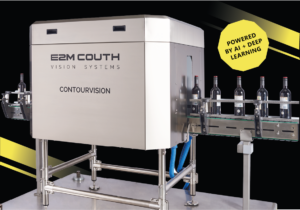
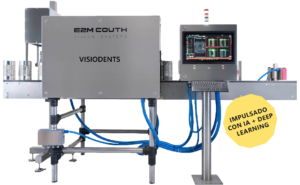
In E2M COUTH we are leaders in the field of machine vision systems, bringing together cutting-edge technology and innovative solutions to enhance manufacturing processes. Known for our expertise, E2M COUTH offers a range of advanced vision systems that are designed to improve quality control, increase efficiency, and reduce errors in various industrial applications.
Our vision systems are broadly categorized into three main types: inspection, orientation, and rejection systems. Each of these systems serve a unique purpose in the manufacturing process, ensuring that products meet the highest standards of quality and precision.
Inspection Systems
Inspection systems are critical for quality control in manufacturing. These systems use advanced imaging and processing techniques to examine products for defects and deviations from specified standards. By identifying issues early in the production process, inspection systems help maintaining high-quality output and reducing waste.
Types of Inspection Systems at E2M COUTH:
- Surface inspection: Surface inspection systems are designed to detect surface defects such as scratches, dents, discolorations, and other imperfections. These systems ensure that the final products meet quality standards.
- Dimensional inspection: Dimensional inspection systems verify the dimensions and tolerances of products, ensuring they meet precise specifications. These systems are essential for components that require high accuracy and consistency.
- Assembly verification: Assembly verification systems check the completeness and correctness of assembled products. They ensure that all parts are correctly positioned and securely attached.

Orientation Systems
Orientation systems are essential for ensuring that parts, labels, and components are correctly aligned during the manufacturing process. Proper orientation is crucial for the seamless flow of production and the accuracy of subsequent processes.
Types of orientation systems at E2M COUTH:
- Part orientation: Part orientation systems align parts correctly for subsequent processes such as assembly, packaging, or inspection. In the pharmaceutical industry, part orientation systems ensure that capsules are oriented correctly before being filled with medication.
- Label orientation: Label orientation systems ensure that labels are placed and aligned correctly on products. This is important for both aesthetics and regulatory compliance. In the food and beverage industry, label orientation systems make sure that labels on bottles and cans are consistently aligned, enhancing brand presentation and meeting labeling standards.
- Componente orientation: Component orientation systems verify the correct placement of components in assemblies, ensuring proper function and reliability. In the electronics industry, component orientation systems ensure that microchips are correctly placed on circuit boards, preventing assembly errors and ensuring product functionality.
Rejection Systems
Rejection systems are vital for maintaining product standards by removing defective or non-compliant items from the production line. These systems help ensure that only products meeting quality standards reach the market.
Types of rejection systems at E2M COUTH:
- Push rejection system: Removes defective products via impact with a high performance and silent system
- Proportional rejection system: This solution displaces the containers without losing stability. This is the perfect solution for breakable materials.
- Multistep: Soft diversion system
Benefits of Machine Vision Systems for manufacturing
Machine vision systems have revolutionized manufacturing by offering a range of benefits that significantly enhance operational efficiency and product quality. Here are the key advantages:
Increased productivity and efficiency
Machine vision systems for manufacturing automate various inspection, orientation, and rejection tasks, significantly speeding up production processes. Automation reduces bottlenecks and ensures a consistent flow of operations, leading to higher output rates. By minimizing the need for manual intervention, these systems allow for continuous operation, thereby maximizing productivity.
For example, in an automotive assembly line, machine vision systems can inspect each car part in milliseconds, ensuring that the production line moves swiftly without interruptions caused by manual inspections.
Enhanced quality control and consistency
One of the most significant advantages of machine vision systems is their ability to maintain high levels of quality control. These systems use precise imaging and analysis techniques to detect defects, measure dimensions, and verify assembly accuracy. This ensures that each product meets stringent quality standards and reduces the incidence of defective products reaching the market.
In the pharmaceutical industry, machine vision systems can inspect vials for crimping defects like cracks or incorrect shapes, ensuring that only high-quality products are packaged and shipped.
Reduced labor costs and human error
By automating inspection and quality control tasks, machine vision systems reduce the reliance on manual labor, leading to significant cost savings. Additionally, automation minimizes the risk of human error, which can result in defective products, recalls, and increased waste. The consistency and reliability of machine vision systems ensure that tasks are performed accurately every time.
In an electronics manufacturing plant, machine vision systems can accurately place and inspect tiny components on circuit boards, tasks that would be highly error-prone and labor-intensive if done manually.
Improved data collection and analysis
Machine vision systems collect vast amounts of data during the inspection and analysis processes. This data can be used for real-time monitoring, trend analysis, and predictive maintenance. By analyzing this data, manufacturers can identify patterns, optimize processes, and make informed decisions to enhance overall efficiency and product quality.
In a food processing facility, machine vision systems can track defect rates and identify common issues, enabling the facility to address the root causes of these defects and improve production processes.

Why choose E2M COUTH for machine vision systems?
In E2M COUTH we have years of experience offering the best machine vision solutions that can be applied in different industries, such as food, beverage, pharmaceutical, among others. Those systems are key for different processes, such as inspection, orientation or product rejection. In this way, you can ensure that all your production has a high level of quality, so that your products can compete in today’s market.
In addition, in case you need more information, you can contact us and we will give you the best advice about our machine vision solutions.