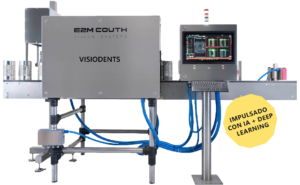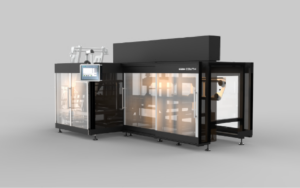
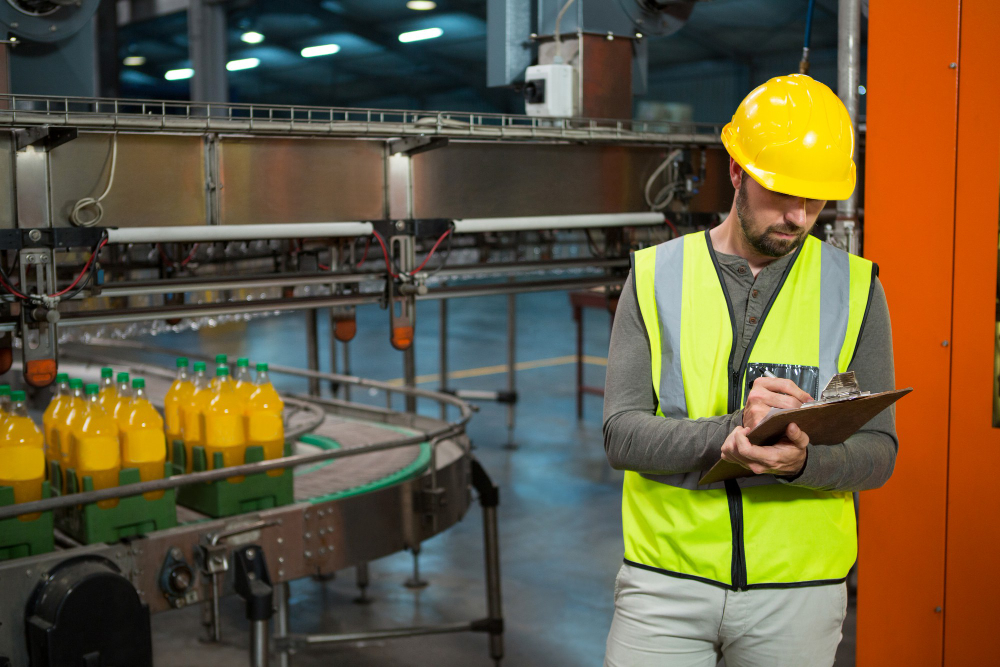
In today’s fast-paced industrial environment, maintaining high-quality standards while optimizing production efficiency is essential for success. At E2M COUTH, we specialize in providing advanced automatic inspection and rejection systems that help businesses streamline their quality control processes. By integrating these cutting-edge solutions into your production line, you can significantly reduce errors, improve product quality, and boost overall productivity. In this article, we will explore the key advantages of integrating inspection and rejection systems, why they are crucial for modern manufacturing, and how they can transform your operations. Let’s dive into the benefits of embracing automation in quality control.
Introduction to automatic inspection and rejection systems
Automatic inspection and rejection systems are critical tools for any production line aiming to maintain high standards of quality control. These systems leverage advanced technology, such as machine vision, sensors, and AI, to automatically detect defects in products during the manufacturing process. When integrated into the production chain, these systems identify imperfections such as surface defects, incorrect dimensions, or assembly errors that may be missed by the human eye.
Unlike manual inspections, which can be time-consuming and prone to human error, automatic inspection and rejection systems operate continuously, ensuring that only products that meet predefined quality standards proceed to the next stage of production. The integration of such systems into industrial processes helps reduce the chances of defects reaching customers, improving brand reputation and customer satisfaction.
These systems allow for real-time monitoring, enabling manufacturers to make immediate adjustments to the production process when necessary. With the ability to reject defective products automatically, businesses can significantly reduce material waste and avoid costly recalls. This is why industrial inspection solutions are becoming an essential component of modern manufacturing processes.
Why integrate an inspection and rejection system?
Integrating an inspection and rejection system into your production line is not just about keeping products defect-free; it’s about optimizing the entire manufacturing process. Below are some key reasons why this integration is essential for any modern production environment:
1. Enhanced quality control
An integrated automatic inspection and rejection system ensures that every product meets the necessary quality standards. It minimizes human error and provides consistent results, ensuring that no defective product slips through the cracks. This leads to a more reliable final product and boosts customer trust in your brand.
2. Increased efficiency
By automating the inspection and rejection process, you can speed up production times. Unlike manual inspection, which can be slow and dependent on the availability and consistency of personnel, automated systems work tirelessly at high speed, reducing bottlenecks and increasing throughput. This leads to faster production cycles and higher output.
3. Reduced labor costs
When integrating inspection and rejection systems, labor costs are reduced as manual inspection is no longer necessary for every unit produced. The automation of this process frees up personnel to focus on other critical areas of production, ultimately improving operational efficiency and reducing the dependency on manual labor.
4. Real-Time monitoring and feedback
One of the major benefits of automatic inspection and rejection systems is their ability to provide real-time data. With immediate feedback, manufacturers can adjust the production process on the fly. This level of responsiveness ensures that issues are caught early, minimizing waste and improving product consistency.
5. Compliance and traceability
Automated systems ensure that all products are inspected according to industry standards and regulations. They also provide a level of traceability that is invaluable for industries where compliance is critical. Whether it’s for quality audits or regulatory inspections, industrial inspection solutions ensure that your production line meets all necessary legal and quality standards.
By integrating inspection and rejection systems, manufacturers can enjoy a smoother, more streamlined production process, lower operational costs, and most importantly, a higher level of quality control that ensures customer satisfaction.
Key benefits of integrating inspection and rejection systems
Integrating inspection and rejection systems offers numerous advantages that go beyond simply maintaining quality control. These systems can significantly impact your production efficiency, profitability, and overall operational effectiveness. Here are the key benefits of integrating these systems into your production line:
1. Improved product quality
One of the most significant benefits of integrating automatic inspection and rejection systems is the enhancement of product quality. By automatically detecting defects early in the production process, these systems help ensure that only products meeting the highest standards reach the end of the line. This leads to fewer returns, increased customer satisfaction, and a stronger brand reputation for quality.
2. Increased production efficiency
Efficiency is the backbone of any successful production line. With industrial inspection solutions, the time spent manually inspecting products is drastically reduced, allowing the production line to run faster and more smoothly. Automated inspection and rejection systems help eliminate bottlenecks that can occur during manual checks, leading to greater throughput and improved production schedules.
3. Cost reduction
Integrating inspection and rejection systems can help reduce operational costs in several ways. First, by automating the inspection process, companies reduce the need for manual labor, leading to savings in wages and training. Second, these systems help minimize waste by rejecting defective products before they proceed further in the production process, preventing costly rework or scrap. Third, real-time error detection allows for early identification of production issues, reducing the likelihood of expensive downtime or product recalls.
4. Waste minimization
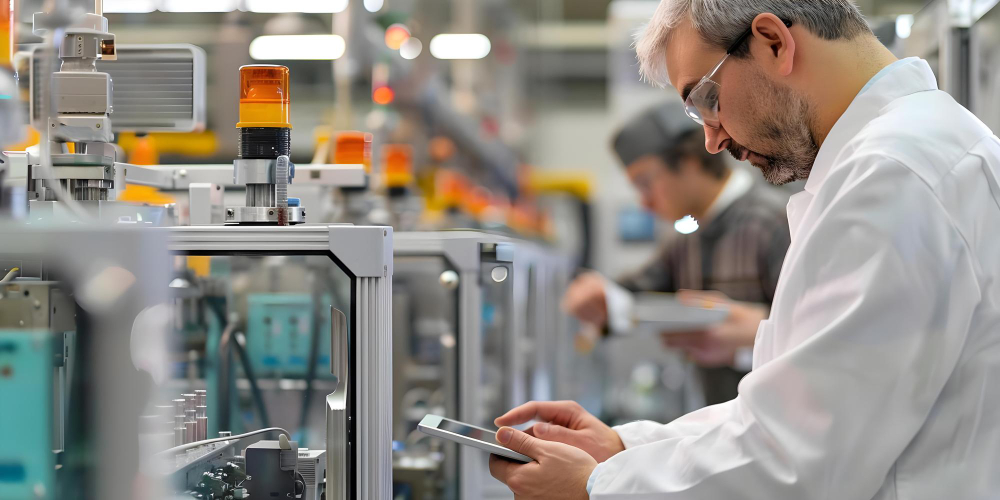
Every defect that goes unnoticed in the production process translates into wasted materials and resources. With automatic inspection and rejection systems, manufacturers can identify defective items at the earliest stage, thereby preventing unnecessary material waste and reducing environmental impact. By rejecting substandard products before they are further processed, companies can save on raw materials and production time.
5. Enhanced flexibility and scalability
As production demands change, inspection and rejection systems can be easily scaled or adjusted to meet new requirements. Whether it’s increasing the inspection speed, accommodating different product sizes, or adjusting the rejection criteria, these systems can adapt to various production needs. This flexibility allows businesses to stay competitive and agile in an ever-changing market.
6. Data-Driven insights and continuous improvement
Modern automatic inspection and rejection systems provide detailed data and analytics that can help manufacturers improve their processes. With access to performance metrics, defect patterns, and production trends, businesses can make informed decisions about process optimization and continuous improvement. This data-driven approach ensures ongoing quality enhancement, which is crucial for staying ahead in competitive industries.
7. Consistent product output
Consistency is crucial in manufacturing, and inspection and rejection systems provide exactly that. These systems consistently monitor every product in real time, ensuring uniformity and eliminating the risk of human error. As a result, businesses can produce large quantities of high-quality products without variations that could affect customer satisfaction.
Impact on productivity and production quality
Integrating inspection and rejection systems into your production line doesn’t just help in detecting defects; it also plays a crucial role in enhancing both productivity and production quality. Here’s how these systems positively impact your operations:
1. Faster detection and rejection of defective products
One of the primary ways automatic inspection and rejection systems improve productivity is by speeding up the detection and rejection of defective products. Unlike manual inspections, which can be time-consuming, automated systems work continuously and at high speed, ensuring that only products that meet quality standards make it to the next stage. This reduction in inspection time accelerates the overall production process, leading to higher output.
2. Reduced downtime and faster problem resolution
When defects are identified quickly, issues can be addressed before they cause significant disruptions in the production line. Inspection and rejection systems provide real-time feedback, enabling operators to act promptly and make necessary adjustments. This leads to less downtime and more consistent production flows. When problems are addressed at the earliest possible stage, there is less impact on overall productivity and fewer delays in fulfilling orders.
3. Consistent product quality
Quality control is at the core of every successful production line. Automatic inspection and rejection systems ensure that every product is checked with the same level of precision, regardless of production speed or time of day. This consistency leads to fewer product variations and ensures that customers receive the same high-quality product every time. With such consistency, production quality is guaranteed, and customer satisfaction remains high.
How E2M COUTH’s industrial inspection solutions enhance your production chain
At E2M COUTH, we specialize in offering tailored industrial inspection solutions that seamlessly integrate with your production line, optimizing every stage of your manufacturing process. Our solutions are designed to improve both product quality and production efficiency, ensuring that your operations run smoothly with minimal defects and downtime.
Our automatic inspection and rejection systems are equipped with cutting-edge technology, including high-resolution cameras, sensors, and artificial intelligence, to detect even the smallest defects in real time. This allows manufacturers to achieve higher levels of precision, making it easier to maintain consistent product quality across large production volumes.
One of the key advantages of E2M COUTH’s systems is their ability to be customized to meet the specific needs of your production line. Whether you’re in food, automotive, pharmaceuticals, or any other industry, we design solutions that integrate with your existing workflows, making it easy to enhance your production capabilities without disrupting current operations.
Our systems also provide valuable data that allows for continuous monitoring and real-time adjustments. This data-driven approach gives you insight into your production process, helping you identify trends, optimize workflows, and ultimately boost productivity.
With E2M COUTH’s industrial inspection solutions, you not only improve quality control but also gain a competitive edge by increasing operational efficiency, reducing waste, and ensuring the highest standards of product quality across all production stages.
Steps to integrate inspection and rejection systems in your production line
Integrating inspection and rejection systems into your production line is a straightforward process when done correctly. Here’s a step-by-step guide to help you get started:
1. Assess your production needs
Before integrating an inspection system, it’s crucial to understand the specific requirements of your production line. Identify what types of defects need to be detected, how quickly they should be identified, and the volume of products that need to be inspected. This step ensures you choose the right system tailored to your needs.
2. Choose the right technology
Once you’ve assessed your needs, select the appropriate technology for your inspection system. Automatic inspection and rejection systems come with various features such as vision systems and sensors. Choose the solution that aligns best with your product types and production speed.
3. Integrate with existing systems
Integration is key to ensuring smooth operation. Work with experienced professionals to integrate the inspection and rejection system into your current production setup. This ensures minimal disruption to your existing workflows while optimizing efficiency.
4. Train your team
Training your team to operate and maintain the system is essential. Ensure your employees are familiar with the system’s functionalities and troubleshooting procedures to maximize its effectiveness.
5. Monitor and optimize
After installation, continuously monitor the system’s performance and make adjustments as needed. Regular maintenance and data analysis will help you identify areas for further optimization.
The future of quality control with inspection and rejection systems
Integrating inspection and rejection systems into your production line is a game-changer for quality control. These systems not only enhance product quality but also significantly improve efficiency, reduce waste, and streamline production processes. By leveraging automatic inspection and rejection systems, businesses can achieve greater consistency, reduce human error, and maintain high standards of quality across all stages of manufacturing.
The future of quality control lies in automation, and integrating these systems can help revolutionize your production line. To explore how our solutions can boost your efficiency and improve your product quality, contact us for a consultation or more information.