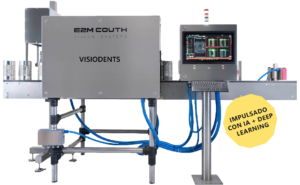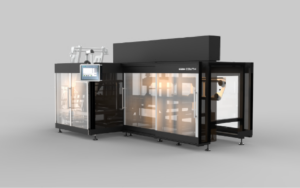
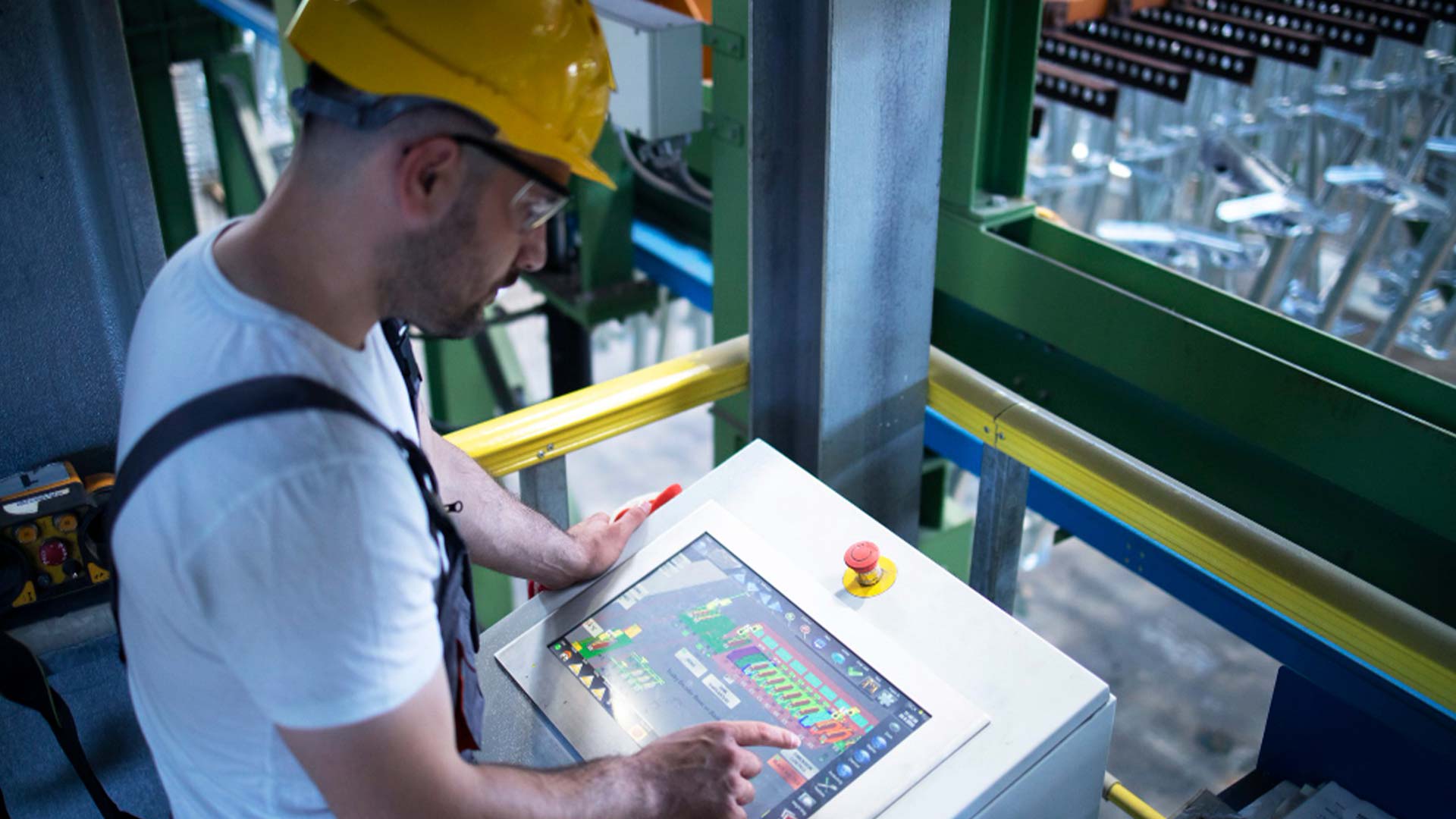
In the era of Industry 4.0, automation is revolutionizing manufacturing and production processes across various industries. At the core of this transformation is industrial machine vision, a technology that enables machines to “see” and interpret visual data with high precision. E2M COUTH are at the forefront of this innovation, providing cutting-edge machine vision solutions that enhance efficiency and accuracy in automated operations. By integrating advanced imaging, artificial intelligence, and deep learning algorithms, machine vision systems optimize production lines, ensuring consistent quality and minimizing human intervention.
Productivity improvement through technology has become a necessity rather than an option. With growing global competition, manufacturers are under pressure to optimize production cycles, reduce human errors, and ensure consistent quality, challenges that machine vision effectively addresses. From quality control and inspection to robotic guidance and inventory management, machine vision plays a crucial role in streamlining workflows and minimizing downtime.
The adoption of machine vision is accelerating across pharmaceuticals, food processing, and pharmaceutical industries. As labor costs rise and production demands increase, companies are leveraging these systems to maintain a competitive edge.
What is industrial machine vision?
Industrial machine vision refers to the technology that enables machines to automatically capture, analyze, and interpret visual data to guide decision-making in industrial environments. Unlike traditional inspection methods that rely on human operators, machine vision systems use high-speed cameras, sensors, and artificial intelligence (AI) to perform inspections, measurements, and quality control with unmatched precision and efficiency.
How machine vision differs from traditional inspection
Traditional inspection methods involve manual checks by human workers, which can be slow, inconsistent, and prone to errors. Even with basic automation, traditional systems often rely on simple sensors that detect the presence or absence of objects but lack the intelligence to analyze complex visual details.
In contrast, machine vision systems go beyond basic detection—they can recognize patterns, identify defects, measure dimensions, and even guide robotic arms in real time. This makes them indispensable in industries where high accuracy and speed are essential, such as electronics manufacturing, automotive assembly, and food processing.
How machine vision works
A machine vision system follows a structured process to analyze and optimize industrial operations:
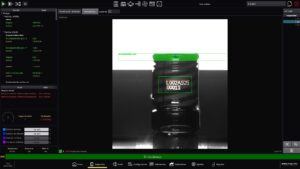
- Image Acquisition: High-resolution cameras and sensors capture images or videos of the products or components being inspected. Advanced lighting techniques ensure clarity and consistency.
- Processing and Analysis: The captured images are processed using specialized software and algorithms that detect defects, measure dimensions, and verify product characteristics.
- Decision-Making: Based on the analysis, the system automatically classifies, accepts, or rejects items, triggering appropriate actions such as stopping the production line or sending defective products for rework.
Key Components of Machine Vision
These are the main components of machine vision:
- Cameras & Sensors: Capture detailed images for analysis.
- Processing Software: Uses AI and deep learning to interpret visual data.
- Decision-Making Algorithms: Automate quality control and process optimization.
Benefits of industrial machine vision for productivity
The integration of industrial machine vision in manufacturing and automation processes has revolutionized productivity by enhancing efficiency, precision, and overall quality. By leveraging high-speed cameras, sensors, and artificial intelligence (AI), these systems automate inspections, optimize workflows, and reduce operational costs. Below are the key benefits of machine vision that contribute to improved productivity in industrial settings.
1. Increased speed and efficiency
One of the most significant advantages of machine vision is its ability to process and analyze images faster than human operators. Traditional inspection methods require manual labor, which is not only time-consuming but also susceptible to fatigue and inconsistency.
- Rapid Image Processing: Machine vision systems capture, analyze, and make decisions within milliseconds, significantly reducing inspection time.
- Improved Workflow: By eliminating bottlenecks caused by slow manual inspections, machine vision ensures that production lines operate at maximum efficiency.
The result is a faster production cycle, leading to increased output without compromising quality.

2. Enhanced quality control
Ensuring product quality is a major priority for manufacturers, and machine vision plays a crucial role in detecting defects, inconsistencies, and irregularities that may go unnoticed by the human eye.
- High Precision Inspections: Advanced algorithms can identify minute defects, such as surface scratches, color deviations, or assembly errors.
- Reduced Product Rework & Waste: By detecting flaws early in the production process, machine vision prevents defective products from reaching later stages, reducing costly rework and material waste.
- Standardized Quality Assurance: Unlike human inspectors, machine vision systems maintain consistent quality standards, ensuring uniformity across all products.
By minimizing errors and ensuring higher-quality output, machine vision enhances customer satisfaction and brand reputation.
3. Cost savings and waste reduction
Incorporating machine vision technology leads to substantial cost savings by reducing errors, minimizing waste, and optimizing resource utilization.
- Lower Operational Costs: Automation reduces the need for large inspection teams, leading to significant savings on labor costs.
- Early Fault Detection: By identifying defects in real-time, machine vision prevents defective materials from being further processed, reducing material waste.
- Optimized Resource Utilization: Machine vision enables precise measurements and inspections, ensuring that materials are used efficiently.
By improving cost-effectiveness, manufacturers can increase profitability while maintaining high production standards.
4. Improved worker safety
Safety is a critical concern in industrial environments, especially in hazardous work areas where manual inspections pose risks. Machine vision reduces the need for human intervention in dangerous tasks, significantly improving workplace safety.
- Reduces exposure to hazards: Machine vision systems inspect high-risk areas, such as high-speed production lines, extreme temperatures, and toxic environments, without putting workers at risk.
- Reduces Fatigue-Related Errors: Human fatigue can lead to oversight and mistakes, which are eliminated when machine vision takes over repetitive inspection tasks.
By prioritizing safety, companies benefit from reduced liability costs, and a healthier workforce.
5. Better data collection and analysis
In today’s data-driven world, machine vision systems provide valuable real-time insights that help manufacturers optimize their processes and predict potential issues before they occur.
- Real-Time Monitoring: Machine vision collects and analyzes production data instantly, allowing companies to make quick, informed decisions.
- Predictive Maintenance: By detecting early signs of equipment wear and tear, machine vision helps schedule maintenance before failures occur, reducing unplanned downtime.
- Process Optimization: Continuous data analysis identifies patterns and inefficiencies, enabling manufacturers to refine processes and improve overall productivity.
The ability to gather and utilize accurate production data ensures continuous improvements in efficiency, quality, and cost-effectiveness.
Applications of industrial machine vision
Industrial machine vision is transforming multiple industries by automating inspections, improving quality control, and optimizing manufacturing processes. By leveraging high-speed cameras, AI-driven image processing, and real-time data analysis, machine vision systems ensure precision, efficiency, and compliance with industry standards. Below are some of the most impactful applications of machine vision across various sectors.
1. Manufacturing and assembly lines
Machine vision plays a critical role in manufacturing and assembly lines, ensuring that components are correctly placed, defects are identified, and products meet required specifications. Traditional manual inspections are slow, inconsistent, and prone to human error, while machine vision provides a faster and more reliable solution.
- Component Verification – Ensures each part is correctly assembled, detecting missing, misplaced, or defective components.
- Dimensional Accuracy – Measures size, shape, and alignment to confirm adherence to design specifications.
- Real-Time Feedback – Detects issues instantly, allowing manufacturers to make adjustments without halting production.
With higher efficiency and reduced errors, machine vision systems increase output, improve product quality, and lower production costs in manufacturing.
2. Food and beverage processing
Food safety and quality control are paramount in the food and beverage industry. Machine vision ensures hygiene, consistency, and compliance with food safety regulations by detecting contaminants, monitoring product integrity, and automating packaging verification.
- Code inspection and traceability -Ensure that products are correctly identified and tracked throughout the production process by verifying batch codes, expiration dates, and barcodes.
- Packaging Inspection – Verifies correct sealing, labeling, and expiration date placement to prevent packaging errors.
- Level Monitoring – Confirms correct filling levels in bottles and containers to prevent under- or overfilling.
By reducing recalls, improving compliance, and maintaining product integrity, machine vision enhances efficiency and safety in food processing plants.
3. Pharmaceutical industry
The pharmaceutical industry demands the highest levels of accuracy and traceability to ensure medication safety, correct labeling, and compliance with strict regulatory requirements. Machine vision systems play a crucial role in inspecting, tracking, and verifying pharmaceutical products.
- Label and Packaging Verification – Ensures correct labeling, dosage information, and expiration dates to prevent mislabeling errors.
- Tamper Evidence Checks – Verifies the integrity of safety seals and protective packaging.
- Track-and-Trace Systems – Uses machine vision to scan barcodes and serial numbers, ensuring product authenticity and compliance with regulatory guidelines like FDA and EU GMP.
Machine vision reduces errors, prevents counterfeit drugs, and enhances production efficiency, making it an essential tool in pharmaceutical manufacturing.
4. Chemical Industry
Precision, safety, and compliance are critical in the chemical industry, where even minor defects or contamination can have significant consequences. Machine vision enhances quality control, process efficiency, and regulatory adherence by ensuring the integrity of products, packaging, and labeling.
- Packaging and Label Verification – Ensures accurate labeling, batch codes, and safety warnings to meet regulatory requirements.
- Surface and Defect Inspection – Detects inconsistencies such as cracks, leaks, or irregularities in containers, pipes, and chemical products.
- Volume and Dispensing Control – Monitors correct dosage and filling levels in liquid and powdered chemicals to prevent waste and ensure precision.
By improving safety, minimizing product defects, and ensuring compliance with industry standards, machine vision optimizes production and quality assurance in chemical manufacturing.
Applications of industrial machine vision
Industrial machine vision is widely used across various industries to enhance quality control, automation, and efficiency. By utilizing high-speed cameras, sensors, and AI-powered image processing, machine vision systems ensure precision in manufacturing and inspection processes.
- Manufacturing and Assembly Lines: Machine vision ensures accurate component placement and verifies that products meet design specifications. It detects assembly errors, missing parts, or misalignments, improving production efficiency and reducing defects.
- Food and Beverage Processing: Machine vision enhances food safety by identifying contaminants, incorrect packaging, or labeling errors. It also monitors product quality, checking for color, shape, and fill levels in food and beverage packaging.
- Pharmaceutical Industry: Ensuring patient safety, machine vision verifies correct labeling, expiration dates, and packaging integrity. It also detects missing or damaged pills in blister packs, preventing distribution errors.
- Chemical industry: Machine vision enhances safety, quality control, and compliance in the chemical industry by detecting contaminants, verifying packaging and labeling, and inspecting product integrity. These systems help prevent defects, ensure precise dosing, and maintain regulatory standards, reducing risks and improving efficiency in chemical manufacturing.
Increasing productivity with machine vision from E2M COUTH
Industrial machine vision is a game-changer in modern manufacturing, enhancing efficiency, precision, and quality control. By automating inspections, reducing errors, and optimizing production lines, machine vision significantly improves productivity across industries. Technologies like those offered by E2M COUTH play a crucial role in advancing industrial automation, ensuring faster, safer, and more cost-effective operations.
Do you have any doubts? Don’t wait any longer and contact us to learn more about our vision systems for different industries.