
In bottling plants, maintaining consistent quality and precision in packaging is essential for ensuring product integrity and consumer satisfaction. Quality control processes are crucial, as any defect in packaging can result in waste, safety concerns, and brand damage. Over the years, automation has played an increasingly important role in enhancing the efficiency of these processes, and bottle vision systems have become a key technology in the bottling industry.
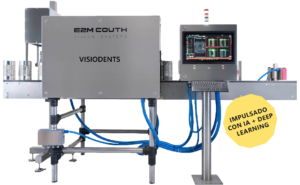
Vision systems, like the ones we have at E2M COUTH, equipped with advanced cameras and sensors, offer a highly effective solution for automating the inspection process. These systems are capable of detecting even the smallest packaging defects such as misalignments, label errors, or imperfections in bottle shapes, often at speeds far exceeding human capabilities.
By using machine learning and AI algorithms, vision systems not only improve accuracy but also reduce the likelihood of human error, ensuring a flawless packaging process. As a result, bottling plants can significantly enhance their production efficiency, maintain high-quality standards, and reduce costs associated with manual inspections and rework.
What are bottle vision systems?
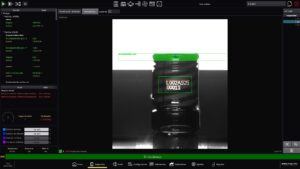
Bottle vision systems are automated technologies used in bottling plants to inspect and ensure the quality of bottles and their packaging. These systems employ high-resolution cameras and advanced imaging software to detect any defects or inconsistencies in the bottles, labels, and closures, ensuring that only perfectly packaged products reach the consumer. They are designed to provide accurate, high-speed inspections that would be challenging or impossible for humans to achieve consistently.
The general working principle of a bottle vision system revolves around capturing detailed images of the bottles as they move through the production line. These images are then analyzed using powerful algorithms to identify defects such as cracks, scratches, label misalignment, improper fill levels, or incorrect cap placement. The system can also check for variations in bottle shape or size, ensuring uniformity in the final product.
Key components of a bottle vision system include
These are the key components of a bottle vision system:
- Cameras: High-resolution cameras capture detailed images of the bottles as they pass through the system.
- Lighting: Proper lighting is essential for enhancing image quality and ensuring clear visibility of potential defects.
- Image processing software: This software analyzes the captured images, detecting defects by comparing them to predefined standards or models.
- Control unit: The control unit manages the communication between all components, ensuring smooth operation and prompt identification of defects.
The role of automated bottle inspection in bottling plants
Automated bottle inspection is the use of advanced vision systems and sensors to inspect and monitor the quality of bottles and their packaging in a bottling plant. Unlike traditional manual inspections, which can be time-consuming and prone to human error, automated inspection systems provide a more efficient and accurate way of ensuring that every bottle leaving the production line meets the required standards.
The primary benefit of automated bottle inspection is its ability to drastically improve the speed and efficiency of the production process. Vision systems can inspect thousands of bottles per minute, far surpassing the speed and consistency achievable by human inspectors. This high-speed capability helps bottling plants meet production targets while maintaining a high level of quality control.
Moreover, automated systems significantly reduce the chances of errors that may occur during manual inspections. Human inspectors may miss defects due to fatigue, distractions, or the complexity of checking large quantities of bottles. Automated systems, on the other hand, are designed to continuously analyze and identify even the most subtle defects, ensuring a consistent and reliable inspection process.
Parameters measured by the bottle inspection systems
Automated bottle inspection systems monitor a variety of parameters to ensure the quality and uniformity of packaging. These parameters include:
- Labeling: Ensuring that labels are correctly applied, aligned, and free from wrinkles or damage.
- Fill Levels: Checking that bottles are filled to the appropriate level, preventing underfilled or overfilled products.
- Defects: Identifying physical defects such as cracks, chips, scratches, or dents in the bottle material.
- Cap and Closure Inspection: Verifying that caps are correctly sealed and applied without leakage.
By continuously monitoring these key parameters, automated bottle inspection ensures that only high-quality products are packaged, improving overall product reliability, reducing waste, and increasing customer satisfaction.
How vision systems inspect bottles in bottling plants
The process of inspecting bottles using vision systems in bottling plants is highly automated and designed to ensure that each product meets strict quality standards. Vision systems use a combination of cameras, sensors, and advanced software to detect any defects in the bottles, labels, or closures, ensuring that only flawless products make it to the market. Here’s a step-by-step breakdown of how this inspection process typically works:
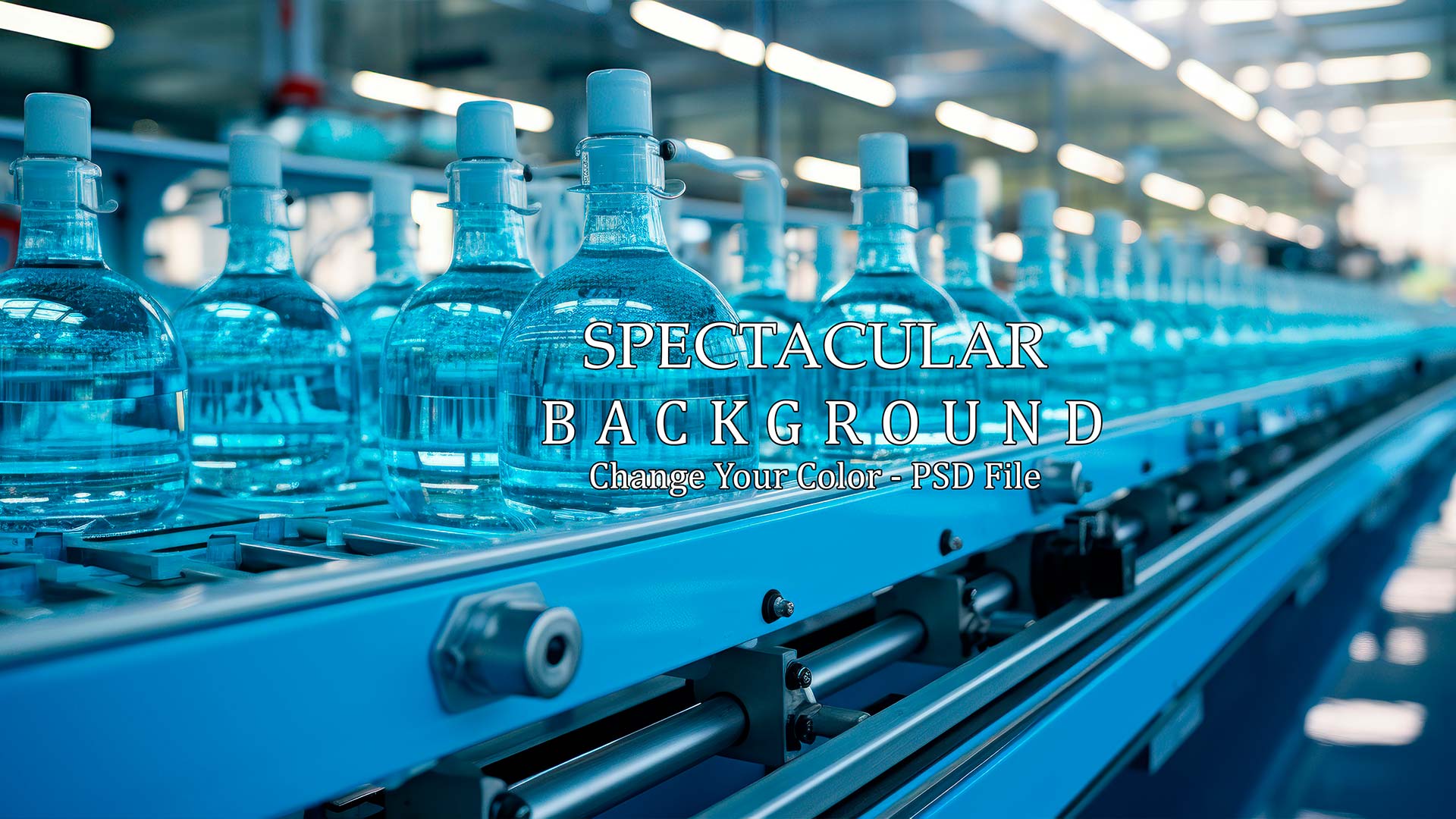
Image capture
High-resolution cameras positioned along the production line capture detailed images of the bottles from multiple angles. These cameras are often equipped with specialized lighting, such as backlighting or ring lighting, to enhance the visibility of defects and highlight imperfections in transparent or reflective surfaces.
Image processing
The captured images are then processed by image analysis software. This software uses algorithms to compare the real-time images with predefined standards or templates of what the bottle should look like. The software analyzes the image for specific defects, such as scratches, cracks, or improper label placement. It can detect even the smallest variations, ensuring that only perfectly packaged bottles pass through.
Defect detection
Common defects detected by vision systems include:
- Cracks or Chips: Vision systems can identify fractures or chips in the bottle that could compromise the integrity of the packaging.
- Label Misalignment: The system ensures that labels are correctly placed, aligned, and free from wrinkles or air bubbles. Misaligned or damaged labels are flagged for removal.
- Fill Level Issues: Automated systems can verify that bottles are filled to the correct level, ensuring consistency and preventing both underfilled and overfilled bottles from reaching consumers.
- Cap and Seal Defects: Vision systems also check for improper cap placement, sealing defects, or leaking bottles, ensuring that the packaging is airtight and secure.
Bottle orientation
They are aligned properly using an orientation system. This ensures that each bottle is positioned in the optimal orientation. This is determined by inspecting shapes, labels, engravings, and any other feature that is visible and repeatable on the container.
Classification and rejection
Once the vision system identifies a defect, the bottle is flagged for removal. Automated ejectors are triggered to remove defective bottles from the production line, ensuring that only products meeting quality standards continue to the next phase of the bottling process.
Data feedback and monitoring
Throughout the inspection process, the system continuously monitors and records data, providing valuable feedback to the operators. This helps in identifying recurring issues, allowing for timely adjustments to the production line and preventing future defects.
The role of bottle defect detection is critical in maintaining product quality. Vision systems provide an automated, highly accurate, and efficient way to detect imperfections that could impact product integrity or consumer perception. By catching defects early in the process, these systems help reduce waste, prevent costly recalls, and ensure that only top-quality products reach the shelves. This level of quality control not only protects the brand’s reputation but also enhances consumer trust and satisfaction.
Bottle orientation systems: Ensuring proper alignment
Bottle orientation systems are essential components in modern bottling lines, ensuring that each bottle is correctly positioned for subsequent processes, including filling, and labeling. These systems use a combination of mechanical and sensor-based technologies to align bottles in the proper orientation as they move along the production line. Proper bottle alignment is crucial because even minor misalignments can lead to inspection errors, inconsistent filling, or misapplied labels, compromising product quality and efficiency.
The primary function of a bottle orientation system is to detect the position and alignment of each bottle and then adjust its orientation to ensure it is aligned with the equipment. Bottles are rotated or reoriented by mechanical guides, belts, or air jets, positioning them consistently for each stage of the bottling process. For instance, in the filling stage, the bottles must be aligned correctly to prevent overflows or underfills, while in labeling, the bottle’s front or side must be oriented for proper label placement.

The benefits of bottle orientation systems
Automated bottle orientation systems offer several key benefits for bottling plants:
- Reduction in Product Waste: By ensuring that bottles are always positioned correctly, these systems help prevent issues like underfilling, overfilling, or labeling errors that lead to waste.
- Improved Production Efficiency: Proper alignment minimizes downtime by reducing the need for manual adjustments or corrections, allowing the production line to run smoothly and at higher speeds.
- Consistent Quality Control: Ensuring proper alignment supports more accurate inspections, preventing defects from slipping through undetected and ensuring consistent product quality.
- Optimized Flow of Production: Automated systems streamline the entire bottling process, enabling faster throughput while maintaining high-quality standards, resulting in a more efficient and cost-effective operation.
In summary, bottle orientation systems are critical for ensuring seamless, high-quality production processes in bottling plants. They enhance automation, reduce errors, and improve overall efficiency, leading to cost savings and higher-quality products.
The importance of bottle rejection systems in quality control
Bottle rejection systems are crucial components in bottling plants, designed to automatically detect and remove defective bottles from the production line. Their primary role is to maintain quality standards by ensuring that only flawless bottles are packaged and sent to the next stage of production. These systems help prevent defective products from reaching consumers, safeguarding both the brand’s reputation and consumer safety.
Faulty bottles are detected through various inspection methods, such as vision systems, sensors, and pressure checks. When a defect is identified, such as cracks, improper fill levels, misaligned labels, or faulty caps, the bottle rejection system is triggered. Typically, mechanical ejection devices like air jets, mechanical arms, or conveyor belt diversions are used to remove the defective bottles from the line. This process occurs quickly, often in real-time, ensuring minimal disruption to the overall flow of production.
The benefits of bottle rejection systems
The benefits of having a bottle rejection system in place are significant:
- Cost Savings: By catching defective bottles early in the production process, bottle rejection systems help reduce waste and rework costs. Defective bottles that are not removed can lead to product recalls, loss of materials, and increased production time spent on sorting out faulty items.
- Safety Benefits: Faulty bottles, especially those with cracks or improper seals, pose potential safety risks to consumers. A rejection system ensures that bottles with structural or sealing defects are removed, preventing accidents or contamination risks.
- Improved Brand Reputation: Regularly removing defective bottles helps maintain the brand’s reputation for high-quality products, increasing consumer trust and satisfaction.
In summary, bottle rejection systems are a key part of quality control, enhancing operational efficiency, reducing costs, and ensuring product safety. By preventing defective bottles from advancing through the production line, they play a crucial role in maintaining high-quality standards in bottling plants.
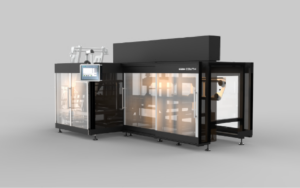
As you can see, inspection and rejection systems are paramount within the product bottling industry. In E2M COUTH we have the best machine vision systems for orientation and rejection, as well as for other tasks such as inspection or labeling, among others. Do you have any questions? Contact us and we will be glad to help you.