Automation in quality control is one of the most important aspects of optimizing production processes across various industries. Implementing systems that automate quality control not only increases efficiency but also significantly reduces human error, thus achieving more precise and consistent inspections. At E2M COUTH, we offer advanced inspection solutions with automated technologies that enhance both the accuracy and speed of production processes.
These technological innovations translate into greater productivity, which is essential to meet the growing demands of the global market. By automating quality control, companies can ensure consistently high-quality products, reducing inspection times and completely improving customer satisfaction. Undoubtedly, automation has become an indispensable tool for improving production standards, making technology a fundamental ally in optimizing industrial processes.
What is Automated Quality Control?
Automated quality control uses advanced technological tools to inspect, measure, and verify the quality of products on production lines more quickly and accurately than traditional methods. This process is based on the use of sensors, cameras, specialized software, and other automated solutions that allow a thorough analysis of each product while it is on the production line. With this technology, companies can detect failures, defects, or deviations from quality standards in real time.
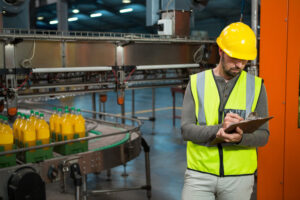
Unlike manual quality control, which depends on human intervention, automated control reduces the risks of errors like fatigue or oversight, which can affect inspection accuracy. This enables constant and homogeneous evaluation of each item, ensuring that all products meet the same high standards. The technological tools used in automated quality control can detect imperfections in much more detail and efficiently, even in complex or high-speed processes.
Moreover, automated quality control significantly improves process efficiency. By automating inspection tasks, companies can reduce the time needed for manual checks, thus accelerating production and reducing operational costs. Automated solutions can be integrated at any stage of production, ensuring continuous quality monitoring without interrupting the workflow.
What is Automated Inspection?
Automated inspection is a process that employs advanced technological systems to autonomously examine and verify product quality. Through tools like machine vision, automated systems can analyze objects, detect defects, and measure specific characteristics without human intervention. This type of inspection is commonly implemented on production lines where speed and precision are crucial to ensuring products meet established quality standards.
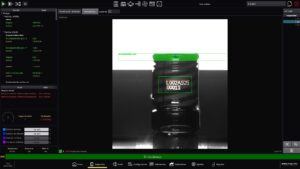
Machine vision, a key component of automated inspection systems, uses high-resolution cameras and image processing algorithms to identify minute details that might be missed during manual inspection. This technology captures detailed images of products and processes the data with intelligent software to detect potential irregularities, such as surface imperfections, incorrect dimensions, or colors outside set parameters.
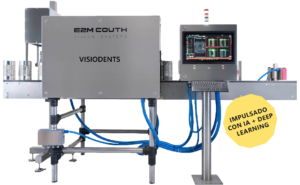
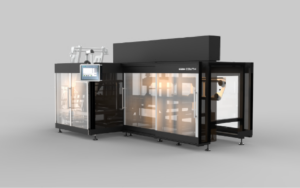
At E2M COUTH, we offer innovative automated inspection solutions that integrate cutting-edge machine vision systems. These systems are not only highly precise in defect detection but also extremely fast, significantly increasing production efficiency. By automating the inspection process, we help companies maintain constant quality control without workflow interruptions.
One of the main advantages of machine vision-based automated inspection over manual inspection is its ability to operate at high speeds with consistent precision. While manual control may be affected by human factors such as fatigue or error, machine vision provides a uniform and objective assessment of all products.
Why is the Automation of Quality Control Important?
Automating quality control is a key aspect of modern production as it provides several important benefits that improve industrial processes. Automating quality control significantly enhances inspection precision. Automated systems, like those we offer at E2M COUTH, eliminate the human error margin, ensuring each product is consistently and precisely verified, meeting the highest quality standards.
Moreover, automation increases production efficiency. Automated inspection systems can work at much higher speeds than manual methods, processing a larger number of products in less time. This not only speeds up workflows but also reduces operational costs by minimizing the need for human intervention in inspection tasks.
Another crucial aspect is the ability to detect failures before products reach the final customer, helping prevent defective products from entering the market, thus improving customer satisfaction and reducing returns. Automated control systems can detect imperfections or deviations from quality standards in real time, allowing for quick adjustments and waste minimization.
Discover E2M COUTH’s Inspection Systems
At E2M COUTH, we offer various inspection systems that can enhance any production line:
Contourvision: 360º Label Inspection
The Contourvision system enables exhaustive inspection of container labels, covering 360 degrees of the surface. It uses high-resolution cameras and machine vision to verify that labels are perfectly aligned, without wrinkles, cuts, or design defects.
It is particularly useful in sectors like food and pharmaceuticals, where labeling requirements are strict. By integrating this system into production lines, we ensure that only correctly labeled products reach the customer, improving reliability and reducing returns.
Visiocap: Cap Inspection
Visiocap is a specialized system designed to inspect caps, ensuring they are correctly placed and sealed on containers. Using machine vision, the system detects any closing process errors, such as improperly placed caps or material defects. This system is crucial in industries like beverages, cosmetics, and other bottled products, where content safety depends on perfect sealing. Thanks to its speed and precision, Visiocap improves the final product’s quality without disrupting production pace.

Visiolevel: Fill Level Inspection
The Visiolevel system ensures that the fill level of bottles is correct. Using machine vision and advanced sensors, it can verify the exact amount of liquid or product inside each container. It is useful in industries where volume precision is critical, such as pharmaceuticals, food, and beverages. Visiolevel not only improves efficiency through real-time inspections but also reduces product rejection and waste, ensuring bottles are neither overfilled nor underfilled.
Visiolabel: Post-Labeling Inspection
Visiolabel carries out an additional inspection after labels have been applied to products. Through high-resolution cameras and visual analysis software, this system checks that labels are correctly positioned, flawless, and that all necessary information is visible and legible.
Visiolabel is ideal for sectors like pharmaceuticals, where labels must comply with strict regulations, or food, where labeling errors can cause major safety issues. This system ensures that products meet quality standards before reaching consumers, reducing returns and improving customer satisfaction.
Visiocanend: Metal Container Closure Inspection
The Visiocanend system is specifically designed to inspect the sealing of metal containers, such as cans. Using advanced machine vision technology, it verifies that containers are properly closed and sealed, detecting any failures during the closing process, such as misplaced lids or seal defects.
This system is crucial within the food and beverage industries, where an incorrect seal could compromise product safety and shelf life. Visiocanend helps maintain high quality and safety standards without affecting production speed.
Do you want to learn more about the inspection solutions we offer at E2M COUTH? Do you have any questions about quality control in production lines? Contact us for professional, tailored advice!