At E2M COUTH, we are at the forefront of revolutionizing industries with cutting-edge technologies, and one of the key innovations driving this transformation is artificial vision systems. These systems, integrated into Industry 4.0, are reshaping how manufacturers optimize processes, increase efficiency, and ensure product quality. As businesses evolve into the smart factories of tomorrow, artificial vision plays a pivotal role in automating critical tasks, from quality inspection to production line monitoring. In this post, we’ll explore what Industry 4.0 and artificial vision systems are, how they work, their real-world applications, and the benefits they bring to modern industries. Join us as we delve into this exciting technological advancement.
What is Industry 4.0?
Industry 4.0 marks the fourth industrial revolution, a phase characterized by the integration of digital technologies into manufacturing processes. It builds on previous industrial revolutions, where mechanization, electrification, and automation transformed industries. However, Industry 4.0 goes a step further by incorporating advanced technologies like the Internet of Things (IoT), artificial intelligence (AI), big data, and artificial vision systems to create “smart factories.”
In Industry 4.0, machines, devices, and systems are interconnected, enabling real-time data exchange and decision-making. This level of automation and connectivity allows for a more flexible, efficient, and responsive production process. For example, machines can self-monitor, communicate with each other, and even perform maintenance tasks autonomously.
The integration of artificial vision systems is crucial in this ecosystem, as it enhances the capability of machines to “see” and interpret the world around them. These systems, combined with AI, help automate tasks such as quality control, defect detection, and process optimization. Industry 4.0 isn’t just about technological innovation; it’s about creating a seamless and intelligent manufacturing environment where data and automation work together to drive productivity and innovation.
The ultimate goal of Industry 4.0 is to improve efficiency, reduce costs, and increase personalization in manufacturing while maintaining high standards of quality and safety. With artificial vision systems playing an essential role, industries can achieve greater precision and efficiency, ensuring they remain competitive in a rapidly changing market.
How artificial vision systems work
Artificial vision systems replicate human vision to allow machines to “see” and interpret their surroundings. In Industry 4.0, these systems are essential for automating processes and ensuring high precision in tasks such as quality control, inspection, and process monitoring.
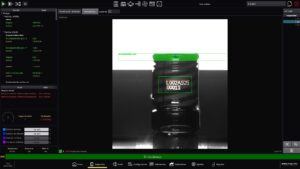
The process begins with image acquisition, where cameras or specialized sensors capture visual data. These devices can vary depending on the specific application, such as high-resolution cameras for detailed inspections or thermal sensors for temperature detection. The captured image is then converted into digital data.
Next, the image processing stage begins. Here, algorithms analyze the raw data to detect specific features or patterns within the image, such as defects, shapes, or colors. This step often involves using techniques like edge detection, pattern recognition, and image filtering to enhance the quality of the image and isolate important information.
Following this, image analysis occurs, where the system interprets the processed data to make decisions or trigger actions. This can include identifying defects in products, measuring dimensions, or guiding robotic arms for assembly tasks. The analysis is based on pre-programmed parameters that define what constitutes a flaw or acceptable standard.
Finally, the decision-making step takes place. The system processes the results and sends commands to other systems, such as stopping a production line for defect correction or signaling an alert to human operators. This seamless integration into production lines enables automated, real-time decision-making, boosting efficiency and accuracy in industrial processes.
By integrating artificial vision into Industry 4.0, manufacturers can streamline operations, reduce human error, and improve overall quality control.
Artificial vision applications in Industry 4.0
Artificial vision systems have a wide range of applications in Industry 4.0, providing critical support in various stages of production, from inspection to automation. These systems integrate seamlessly with IoT and AI, enabling intelligent and efficient manufacturing. Here are some key applications:
Quality control and defect detection
One of the most significant applications of artificial vision systems is in quality control. These systems can automatically inspect products during manufacturing to detect defects, such as scratches, cracks, or incorrect dimensions. High-resolution cameras and advanced algorithms are used to compare products against a set of standards, ensuring that only flawless products move forward in the production process. This leads to higher product quality, reduced waste, and minimized human error.
2. Automated sorting and packaging
Artificial vision is also widely used in sorting and packaging. By capturing images of products on a conveyor belt, these systems can automatically sort items based on predefined criteria such as size, shape, color, or packaging type. This automation speeds up processes and enhances accuracy, allowing for faster packaging, reduced labor costs, and optimized storage and inventory management.
3. Robotic guidance
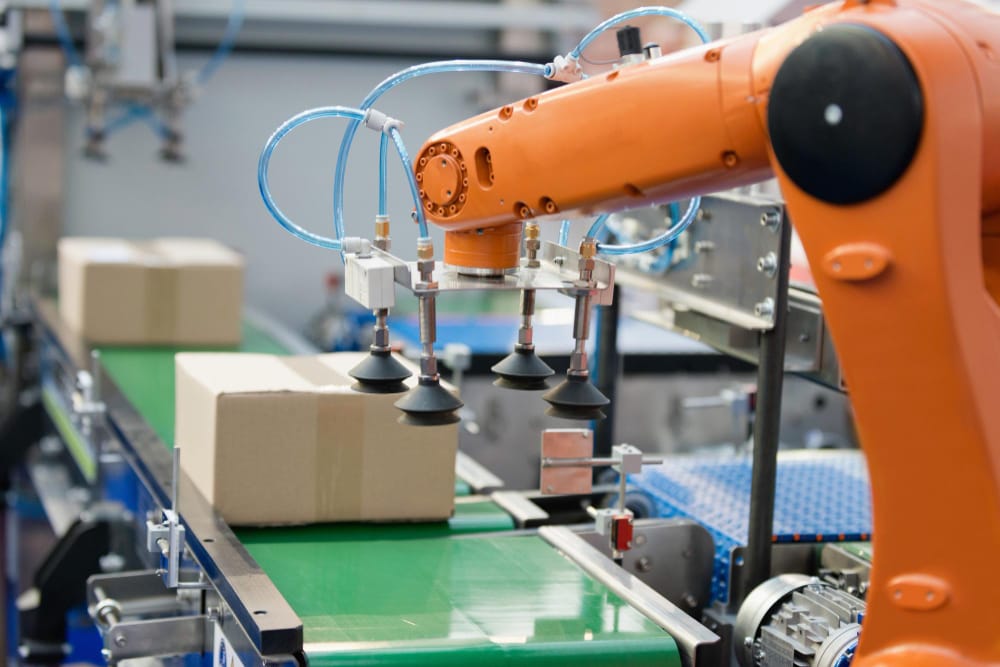
In robotics, artificial vision plays a key role in guiding robots through tasks such as assembly, material handling, or picking and placing objects. Vision systems allow robots to “see” their environment, recognize objects, and make real-time decisions. This ensures precision and flexibility, particularly in tasks that require fine motor skills, such as placing components on a circuit board or assembling intricate parts in a factory.
4. Predictive maintenance
By continuously monitoring machinery and equipment with vision systems, companies can implement predictive maintenance. These systems detect signs of wear or malfunction before they lead to failures, enabling maintenance teams to address issues proactively. This reduces downtime, extends the lifespan of equipment, and lowers maintenance costs, which are key goals of Industry 4.0.
Examples of artificial vision in industry
The integration of artificial vision systems in Industry 4.0 is transforming the way manufacturing processes operate. Here are some real-world examples where these systems have been successfully applied:
Automotive industry
In the automotive industry, artificial vision systems are widely used to ensure the highest standards of quality control. For example, automotive manufacturers use vision systems to inspect the surfaces of car bodies for imperfections like dents, scratches, or misalignments during the painting process. These systems detect even the slightest defects, which would be difficult for human inspectors to spot, ensuring that only high-quality products leave the production line.
Electronics
In electronics manufacturing, particularly for printed circuit boards (PCBs), vision systems are employed to detect minute defects such as soldering issues, component misplacements, or missing parts. Cameras capture high-resolution images of the boards, and advanced image processing algorithms identify any irregularities. This automated inspection is vital for ensuring the functionality and reliability of the finished products, reducing the risk of failures in consumer electronics or critical equipment.
Food and beverage
In the food and beverage industry, artificial vision systems are used for sorting and packaging. These systems help in sorting food items based on color, size, and quality. For instance, automated vision systems inspect fruits on conveyor belts to separate ripe produce from unripe or damaged items. Additionally, they ensure that packaging is sealed properly and labeled correctly, increasing operational efficiency and reducing errors in packaging.

Pharmaceuticals
The pharmaceutical industry relies heavily on artificial vision systems to inspect tablets during production. Vision systems ensure that each tablet is the correct size, shape, and color and that it is free from any defects. This automated inspection process is critical for maintaining strict quality standards and ensuring the safety of the medication.
Benefits of artificial vision systems
Artificial vision systems offer numerous benefits to industries adopting Industry 4.0 technologies. These systems not only improve operational efficiency but also contribute to cost savings, enhanced quality control, and better safety. Here are the key benefits:
Increased productivity
Artificial vision systems significantly boost productivity by automating inspection, sorting, and assembly tasks that were previously manual. These systems can work 24/7 without fatigue, enabling manufacturers to maintain a consistent output without the need for breaks or shift changes. This leads to faster production cycles, fewer bottlenecks, and a higher overall throughput.
Enhanced quality control
One of the most valuable benefits of artificial vision is its ability to enhance quality control. These systems can detect defects, inconsistencies, or deviations from quality standards at a level of precision far beyond human capability. By catching problems early in the production process, artificial vision reduces the likelihood of defective products reaching consumers, which in turn lowers return rates and increases customer satisfaction.
Cost reduction
The integration of artificial vision systems leads to cost savings across several areas. First, automation reduces the need for manual labor, which not only cuts wages but also minimizes the risk of human error. Additionally, by identifying defects early in the process, businesses can reduce material waste and prevent costly rework. The predictive maintenance capabilities of vision systems also help avoid expensive repairs and unplanned downtime by identifying equipment issues before they cause major failures.
Improved safety
Artificial vision systems enhance safety in the workplace by reducing the need for human workers to perform hazardous tasks. For example, these systems can monitor high-risk areas, such as near moving machinery or hot surfaces, and take corrective actions if necessary. By removing workers from dangerous environments, businesses create a safer work environment, reducing the risk of accidents and injuries.
Greater flexibility
Artificial vision systems also contribute to greater flexibility in production lines. With the ability to adjust to new products, designs, or configurations quickly, these systems can adapt to changing market demands. They enable manufacturers to handle small production runs, customized products, and frequent changes in production schedules without significant downtime.
Challenges and Future of Artificial Vision in Industry 4.0
While artificial vision systems offer remarkable benefits in Industry 4.0, their integration and long-term use come with challenges that companies must address to fully leverage their potential.
High initial costs
One of the primary challenges is the high initial investment required for artificial vision systems. The cost of high-quality cameras, sensors, and processing software can be significant, making it a barrier for small and medium-sized enterprises (SMEs) to adopt these technologies. However, the return on investment (ROI) typically justifies the upfront cost through improved productivity, reduced errors, and cost savings over time.
Integration with existing systems
Integrating artificial vision with existing machinery, legacy systems, or production lines can be complex. Companies need to ensure compatibility between the vision systems and other automated technologies such as robots, conveyors, and ERP systems. This requires a level of expertise in both hardware and software, often leading to longer implementation times and additional costs.
Data processing and analysis
Another challenge is the data processing involved in artificial vision systems. These systems generate vast amounts of visual data, which must be analyzed in real-time to make quick decisions. This requires powerful computing resources and efficient algorithms to ensure that the system can handle the data without lag, particularly in high-speed production environments.
Future trends
Looking ahead, the future of artificial vision in Industry 4.0 looks promising. Advances in AI and machine learning are expected to improve the accuracy and efficiency of these systems. As vision systems become more sophisticated, they will be able to handle more complex tasks and offer even greater flexibility. Additionally, the rise of 5G networks will enable faster data transmission, enhancing the real-time capabilities of artificial vision in remote monitoring and diagnostics.
Artificial vision systems in Industry 4.0: The future of manufacturing
Artificial vision systems are pivotal in driving the transformation of industries within Industry 4.0. These systems enhance automation, improve quality control, and increase productivity, providing companies with a competitive edge in the modern manufacturing landscape. As businesses continue to embrace Industry 4.0 technologies, the role of artificial vision will only grow.
At E2M COUTH, we are committed to delivering innovative and reliable artificial vision solutions that help businesses harness the full potential of Industry 4.0, ensuring efficiency, precision, and long-term success. Contact us if you need more information.